

September 2025

Lifespan of Apartment Roofs in Denver: What Property Owners Need to Know
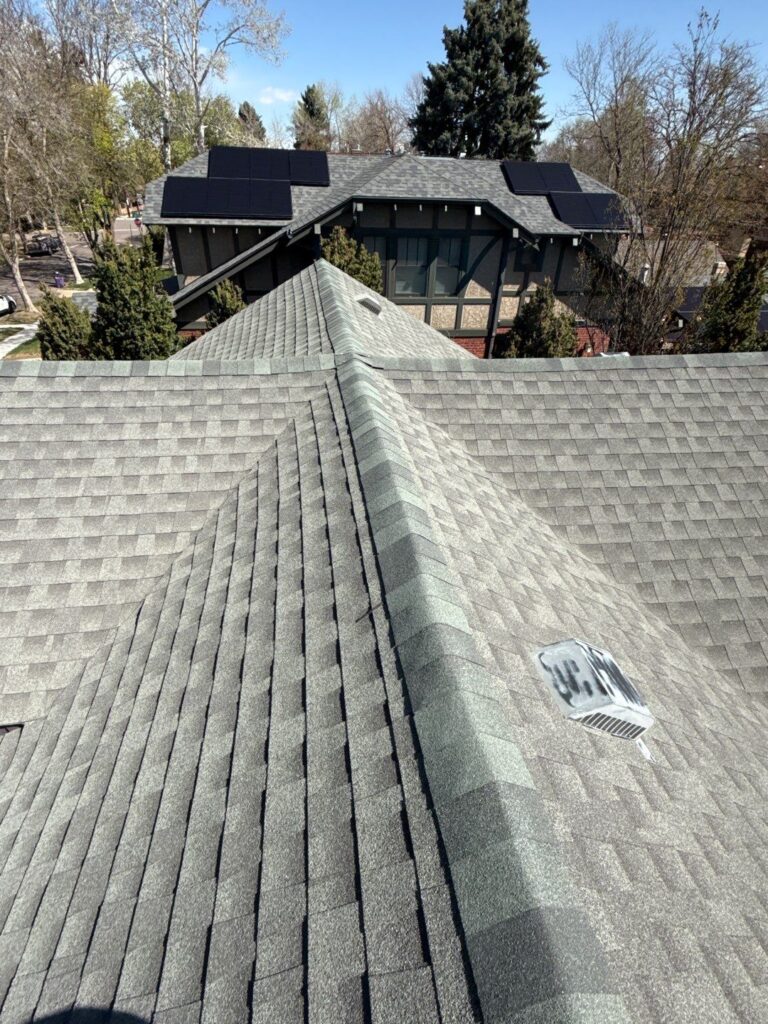
Apartment roofs in Denver face unique challenges due to the city’s high altitude, intense sunlight, heavy snow, and frequent hailstorms. These conditions can shorten a roof’s life if proper materials and maintenance practices are not followed. Understanding the average lifespan of different roofing systems and the factors that influence durability is critical for property owners seeking to protect their investment.

Average Lifespan of Apartment Roofs in Denver

Most apartment roofs in Denver last 20 to 30 years, though this varies based on roofing material, installation quality, and upkeep. Asphalt shingles remain common because of their affordability, typically lasting 15 to 30 years depending on whether they are 3-tab, architectural, or premium shingles. Flat roofing systems such as EPDM or built-up roofing average 20 to 40 years with proper care, while modified bitumen generally lasts 10 to 20 years. For long-lasting solutions, metal and tile roofs significantly outperform other materials. Metal roofing can endure 40 to 70 years, and slate or clay tiles can exceed 50 to 100 years with professional installation and routine inspections.

Key Factors That Affect Roof Longevity

Denver’s weather is the biggest contributor to roof wear. Prolonged exposure to UV radiation causes asphalt shingles to dry, curl, and lose granules, while snow accumulation and ice dams put stress on flat roofing systems. Hail damage is another major concern, often leading to punctures, cracks, or weakened materials that shorten a roof’s service life. Beyond climate, roof longevity depends on quality of materials, professional installation, and maintenance. Annual inspections and timely repairs help property owners address minor issues before they escalate into costly damage. Clearing debris, ensuring proper drainage, and applying protective coatings are simple but effective strategies to extend a roof’s lifespan.

Common Apartment Roof Types and Their Durability

  • Asphalt Shingles: 15–30 years depending on grade
  • Architectural Shingles: 25–30 years
  • Premium Asphalt Shingles: 30–50 years
  • Metal Roofs (steel, aluminum, copper, zinc): 40–100+ years
  • Slate Roofing: 75–100 years or more
  • Clay and Concrete Tiles: 50–100 years
  • EPDM Flat Roofs: 20–30 years
  • Built-Up Roofing (BUR): 25–40 years
  • Modified Bitumen: 10–20 years

Flat roofs, commonly used on apartment complexes, require the most frequent inspections to combat leaks and water pooling. Pitched roofs, while less common, often provide longer durability and fewer drainage issues.

Maintenance Practices to Maximize Roof Lifespan

Regular maintenance is the difference between a roof that fails early and one that reaches its full potential. Property owners should schedule bi-annual inspections, especially after Denver’s hail season or heavy snowstorms. Small issues like punctures, lifted shingles, or clogged drains should be repaired immediately to prevent widespread damage. Installing adequate ventilation reduces heat buildup, while adding reflective or waterproof coatings enhances performance and extends service life. For flat roofs, ensuring drainage systems remain clear is especially important to prevent premature deterioration.

Choosing the Right Roofing Partner in Denver

For property owners, selecting the right contractor is as important as choosing quality materials. Professional installation ensures proper sealing, alignment, and ventilation, all of which extend the life of a roof. If you are evaluating roofing companies in Denver Colorado, Tried and True Roofing in Denver, Colorado, is known for delivering expert craftsmanship tailored to withstand the city’s demanding climate. Their experience in both flat and pitched apartment roofs helps ensure long-lasting performance.

Conclusion

Apartment roofs in Denver last an average of 20 to 30 years, but with premium materials and consistent maintenance, some systems can last decades longer. Weather extremes make ongoing care essential, from annual inspections to proactive repairs. By investing in durable materials and trusted local roofers, property owners can reduce long-term costs, avoid premature replacements, and protect their buildings for generations.

Lifespan of Apartment Roofs in Denver: What Property Owners Need to Know Read More »
What to Do if Your Roof Leaks While Having Solar Panels Installed

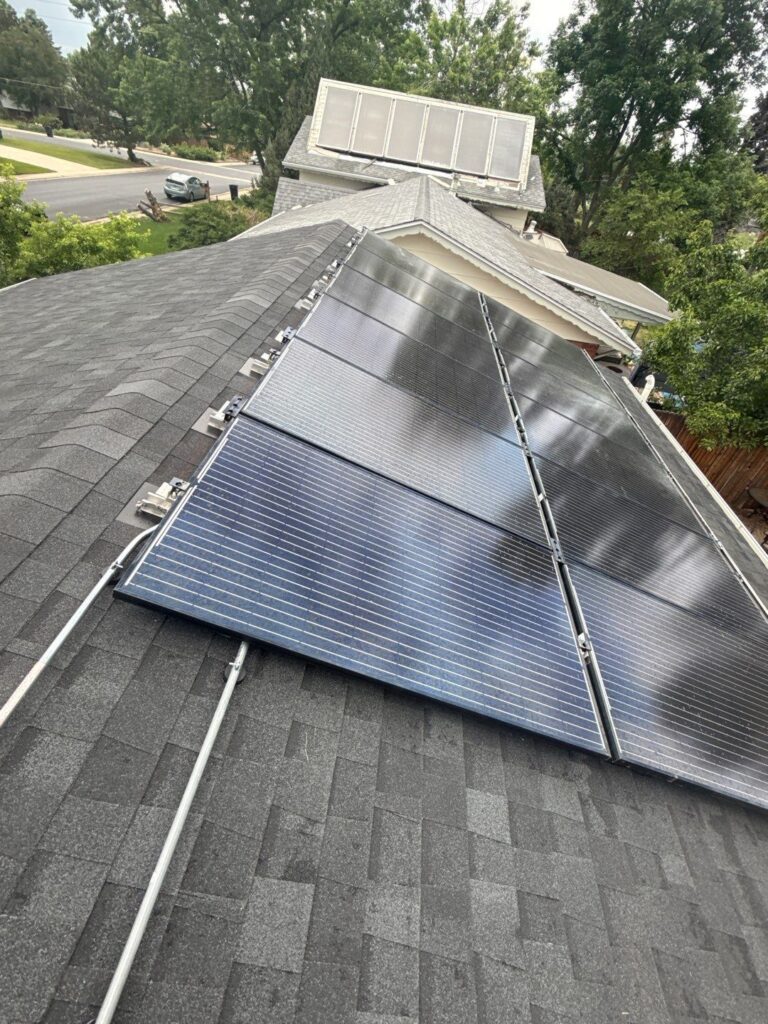
Homeowners increasingly choose solar panels for their energy savings and eco-friendly benefits, but roof leaks can complicate the investment. While leaks connected to solar installations are rare, they do happen—most often due to poor workmanship, aging roof materials, or incompatible roofing types. Understanding the risks and solutions helps protect both the roof and the solar system.

How Roof Leaks Happen with Solar Panels

The most common cause of leaks is improper installation. If solar panels are not mounted correctly, gaps can form around fasteners or flashing, letting water seep through. Roofing materials also matter—older shingles or fragile materials like terracotta tiles are more prone to cracking under the added stress of solar panel brackets. When panels add extra weight to a roof that’s already compromised, leaks can develop sooner. Another factor is wildlife nesting. Birds and squirrels often find shelter under solar panels, damaging shingles and allowing water to penetrate.

Risks of Ignoring Roof Leaks Beneath Solar Panels

Even a small leak can escalate into major structural and financial problems. Moisture intrusion has the potential to harm insulation, drywall, and electrical components. Over time, mold and rot may compromise the integrity of the roof deck. For homes with solar panels, leaks may also cause electrical hazards, increasing the risk of system malfunctions or even fires. Ignoring the issue not only reduces energy efficiency but also risks voiding warranties on both the roof and solar panels.

Steps to Take Immediately After Detecting a Leak

Quick action is essential to minimize damage:

  • Contain the water by using buckets or containers to capture dripping.
  • Document the issue with photos for insurance claims and warranty discussions.
  • Turn off the solar system to avoid electrical risks until a professional inspects the site.
  • Contact the installer if the panels are still under warranty. They can determine if poor installation is the cause.
  • Call a roofing expert to identify the exact source of the leak and provide repair options. Avoid climbing on the roof yourself, especially if it’s wet or damaged.

Preventing Roof Leaks When Installing Solar Panels

The best defense is proper planning and professional installation. Before adding solar panels:

  • Schedule a roof inspection to ensure the structure is strong enough.
  • Replace or reinforce older roofs if they are near the end of their lifespan.
  • Work with experienced roofers who understand both roofing and solar integration.
  • Confirm whether solar panel installation could void roof warranties, and ask about workmanship guarantees.
  • Plan for regular inspections after installation to catch minor issues before they escalate.

Choosing Professionals You Can Trust

Roof leaks under solar panels often come down to the quality of installation and roof preparation. Homeowners should only work with skilled contractors who provide long-term warranties and proven expertise. If you’re looking for reliable roofing in Denver, Tried and True Roofing in Denver, Colorado offers expert inspections and repair services that can ensure your roof is ready for solar without compromising durability.

Conclusion

Roof leaks with solar panels are uncommon, but when they occur, they can cause significant damage if ignored. Poor installation, old or fragile roofing materials, and lack of maintenance are the leading culprits. Homeowners can protect their investment by ensuring the roof is in good condition before installing panels, acting quickly at the first sign of a leak, and relying on professional roofers for both installation and repairs. With the right preparation and care, you can enjoy the benefits of solar power while keeping your home safe and dry.

What to Do if Your Roof Leaks While Having Solar Panels Installed Read More »

The Most Common Roof Repairs in Colorado Homes

Colorado’s unpredictable climate, with its heavy snowfalls, powerful winds, high UV exposure, and frequent hailstorms, creates a constant challenge for homeowners. Roofs in the state endure some of the harshest conditions in the country, making roof repairs an inevitable part of homeownership. Understanding the most common roofing issues can help homeowners take preventive measures, extend roof life, and avoid costly damage.

Hail Damage and Shingle Replacement

Hail is one of the leading causes of roof repairs in Colorado. Each year, hailstorms impact hundreds of thousands of homes, leaving shingles cracked, punctured, or completely torn off. Shingle granule loss from hail also reduces UV protection, accelerating deterioration. Homeowners often need prompt shingle replacements or partial roof tear-offs to prevent leaks and further structural damage. In many cases, hail-related repairs account for nearly half of all roofing service calls in the region.

Leaks and Water Penetration

Roof leaks remain another major issue, particularly after storms or heavy snow melts. Damaged flashing, cracked shingles, and ice dams allow water to seep through, leading to stains, mold, and wood rot inside the home. Leaks left untreated can spread quickly, turning minor repairs into extensive structural overhauls. Regular roof inspections and timely maintenance are essential to catch leaks before they escalate into larger, more expensive problems.

Wind and Storm-Related Roof Repairs

Colorado’s high winds frequently cause shingles to lift, curl, or blow off entirely. Exposed areas from missing shingles uncover the underlayment and decking, making the roof susceptible to water intrusion. Strong gusts also loosen flashing around chimneys and vents, creating weak points for leaks. Repairs following windstorms often include shingle replacement, resealing flashing, and reinforcing vulnerable sections of the roof to withstand future storms.

Roof Punctures and Impact Damage

Beyond hail, other hazards such as falling branches, flying debris, or even heavy foot traffic during maintenance can puncture roofing materials. Punctures compromise the waterproof barrier of the roof, leading to leaks and insulation damage. Flat roofs in particular are at higher risk since pooling water can enter through even the smallest puncture. Regular inspections and trimming overhanging trees reduce the likelihood of this type of damage.

Common Repair Costs and Lifespan Expectations

The cost of roof repairs in Colorado varies widely depending on the severity of damage. Minor fixes, like sealing a small leak, may cost a few hundred dollars, while shingle replacements and hail damage repairs can range into thousands. On average, roof repairs in Colorado cost between $300 and $1,200, though major hail events often push repair expenses significantly higher. Due to the state’s extreme weather, the average roof lifespan is 15 to 25 years, far shorter than in milder climates.

Preventive Maintenance for Colorado Roofs

Preventive maintenance plays a vital role in extending roof life. Experts recommend professional inspections twice a year—once in the spring and once in the fall—to identify issues early. Keeping gutters clean, trimming overhanging branches, ensuring proper attic ventilation, and upgrading to impact-resistant shingles all help reduce the risk of severe damage. Homeowners who take proactive steps can cut emergency repair needs by nearly 40%.

Choosing Trusted Roofing Experts

Because Colorado roofing requires specialized knowledge of local climate challenges, hiring experienced professionals is essential. Skilled contractors understand how to address hail damage, prevent leaks, and reinforce roofs for high winds and snow loads. For reliable service, homeowners looking for roof repair in Denver CO can trust local experts who offer tailored solutions. Tried and True Roofing in Denver, Colorado, stands out for delivering professional repairs and guiding homeowners toward durable materials that withstand the state’s climate.

Conclusion

The most common roof repairs in Colorado result from hail damage, leaks, wind, and punctures. With the state’s weather extremes, repairs are inevitable, but timely maintenance and quality materials can significantly reduce the frequency and cost of fixes. By investing in preventive care and working with trusted local contractors, homeowners can protect their roofs, extend their lifespan, and safeguard their homes from costly storm-related damage.

The Most Common Roof Repairs in Colorado Homes Read More »