

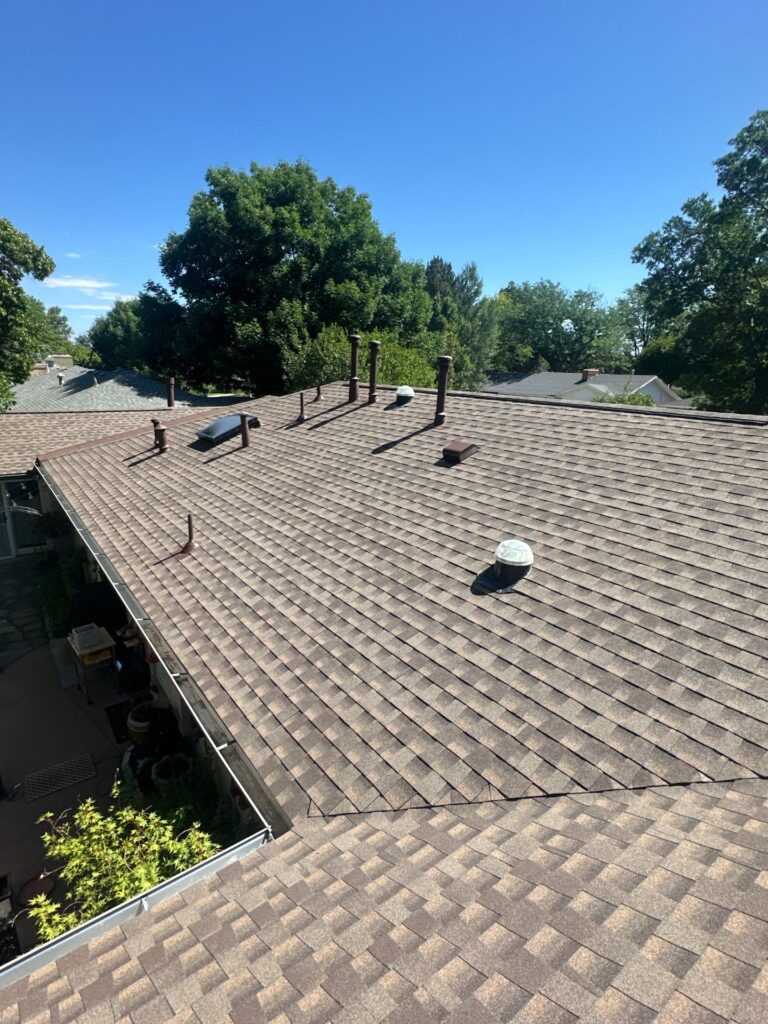
Colorado experiences some of the most severe hailstorms in the United States, creating significant risk for residential roofing systems. When hail impacts a roof, the damage can compromise shingles, flashing, gutters, and structural components that protect the home from water intrusion. Filing a roof hail damage insurance claim requires careful documentation, organized communication with the insurer, and professional inspections that support the claim with credible evidence.
This comprehensive guide outlines the full insurance claim process for roof hail damage in Colorado, from the moment a storm passes through your neighborhood to the final repair or replacement of your roofing system.
Recognizing Signs of Roof Hail Damage After a Storm
Hail damage often appears subtle at first glance. Many homeowners only discover serious roof issues weeks or months later when leaks begin to appear inside the home. A prompt inspection following a storm allows homeowners to identify potential damage before it worsens.
Common indicators of hail damage on roofing systems include bruised or dented asphalt shingles, granule loss exposing the fiberglass mat, cracked or split shingles, dents on metal flashing or roof vents, and damage to gutters or downspouts. Soft metals such as chimney caps and roof vents frequently show visible dents from hail impact, making them useful indicators that the roof may also be compromised.
Ground level inspections can also reveal warning signs such as granules accumulating in gutters or pieces of shingle material scattered around the property. When these signs appear following a severe storm, immediate documentation becomes essential for a successful insurance claim.
Documenting Roof Damage Immediately After the Hailstorm
Thorough documentation is one of the most important elements of a successful roof hail damage claim. Insurers rely heavily on photographic and written evidence when determining whether damage resulted from a specific storm event.
Homeowners should capture clear photographs of the roof from multiple angles, focusing on areas showing visible impact marks or missing shingles. Close up images of dented metal fixtures, gutters, skylights, and siding also strengthen the evidence of storm related damage.
In addition to photographs, homeowners should record the date and approximate time of the hailstorm, document hailstone size if possible, and create a detailed list describing all affected areas of the home. Weather reports and local storm tracking data can further support the claim by confirming that a hail event occurred in the area on the reported date.
Maintaining organized records of this information ensures that the damage timeline remains clear throughout the claim process.
Contacting the Insurance Provider to File the Claim
Once the damage has been documented, the next step involves notifying the homeowner’s insurance company. Most insurance providers require claims to be filed within a limited timeframe after the damage occurs. Many policies require notification within sixty to ninety days of the storm.
When contacting the insurer, homeowners will be asked to provide basic details about the storm event and the damage observed on the property. The insurance company then creates an official claim file and assigns a claim number that will be used throughout the process.
Accurate reporting during this initial stage helps prevent delays and establishes a clear record of the event. Insurers typically schedule a property inspection shortly after the claim is opened in order to verify the damage.
Scheduling a Professional Roof Inspection
While insurance adjusters conduct their own evaluations, a professional roofing inspection before or during the claim process provides critical documentation that supports the homeowner’s position.
Professional roofing contractors are trained to identify subtle forms of hail damage that may not be immediately visible to an untrained observer. During a full inspection, the contractor examines shingles, underlayment, flashing, ventilation components, gutters, skylights, and other roof structures.
Contractors often create detailed inspection reports that include photographs, impact measurements, diagrams of affected roof sections, and written descriptions of damage severity. These reports serve as valuable evidence during insurance evaluations.
In Denver, Colorado, homeowners often rely on experienced roofing professionals such as Tried and True Roofing to conduct comprehensive inspections and assist with documentation that strengthens insurance claims.
Reviewing Your Homeowners Insurance Policy
Understanding the specifics of a homeowners insurance policy is essential before moving forward with repairs or negotiations. Policies often contain detailed provisions that determine how much coverage applies to hail damage claims.
Key policy components include the deductible amount, coverage limits, and the difference between replacement cost value and actual cash value coverage. Replacement cost value policies generally cover the full cost of installing new materials, while actual cash value policies factor in depreciation based on the roof’s age and condition.
Hail deductibles in Colorado frequently range between one percent and five percent of the insured value of the home. For example, a home insured for three hundred thousand dollars with a two percent hail deductible would require the homeowner to pay six thousand dollars before insurance coverage begins.
Carefully reviewing the policy ensures homeowners understand their financial responsibility before moving forward with repairs.
Meeting With the Insurance Adjuster for Property Inspection
After the claim is filed, the insurance company sends an adjuster to inspect the property. The adjuster evaluates the roof, siding, gutters, windows, and other structures that may have been impacted by the storm.
During this inspection, homeowners should provide the documentation collected after the storm along with any professional inspection reports from roofing contractors. These materials help the adjuster accurately assess the extent of the damage.
Many homeowners prefer to have their roofing contractor attend the adjuster’s inspection. Contractors can point out damage that may otherwise be overlooked and ensure that the inspection covers every affected area of the roofing system.
The adjuster then prepares a detailed report outlining the estimated cost of repairs or replacement. This report forms the basis of the insurance settlement offer.
Understanding the Insurance Estimate and Settlement Offer
Once the adjuster completes the inspection, the insurance company generates a claim estimate describing the scope of repairs and the amount the insurer is willing to pay.
Insurance estimates typically include line item costs for removing damaged roofing materials, installing replacement shingles, repairing flashing, and disposing of debris. In many cases, the first payment issued by the insurance company represents the actual cash value of the repairs, with depreciation withheld until the work is completed.
After the roofing project is finished and invoices are submitted, the insurer releases the remaining depreciation amount if the policy includes replacement cost coverage.
Reviewing the estimate carefully is essential because important repair components may occasionally be missing or undervalued.
Requesting Supplemental Claims if Additional Damage Is Found
In some cases, roofing contractors uncover additional storm damage after repairs begin. Hidden issues such as compromised decking, water intrusion beneath shingles, or code required upgrades may not appear during the initial adjuster inspection.
When this happens, contractors submit a supplemental claim to the insurance company requesting additional coverage for newly discovered damage. Supporting documentation such as photographs, inspection reports, and building code requirements help justify these supplemental requests.
Insurance companies review the additional information and determine whether the supplemental repairs fall within the policy coverage.
Preventing Further Damage While the Claim Is Processed
While waiting for claim approval and repairs, homeowners must take reasonable steps to prevent further damage to the property. Temporary protective measures can help avoid additional water intrusion and structural deterioration.
Common mitigation steps include placing protective tarps over damaged roof areas, sealing exposed openings, and removing debris from gutters and drainage systems. These temporary repairs help stabilize the home until permanent repairs begin.
It is important to document these mitigation efforts with photographs and receipts because insurance companies may reimburse homeowners for reasonable emergency repairs.
Choosing a Qualified Colorado Roofing Contractor
Selecting a qualified roofing contractor is a critical step in restoring a storm damaged roof. Colorado contractors must comply with state regulations and carry proper insurance coverage to perform roofing work legally.
Experienced contractors understand local building codes, material requirements, and the unique weather challenges that Colorado homes face. They also work closely with insurance companies to ensure that repairs meet policy guidelines and documentation standards.
When evaluating contractors, homeowners should verify licensing, insurance coverage, manufacturer certifications, and references from previous customers. Clear written contracts and warranty terms provide additional protection during the restoration process.
Completing Roof Repairs or Replacement
After the insurance settlement is finalized and a contractor is selected, the roofing project can begin. Depending on the extent of the damage, repairs may involve replacing damaged shingles, installing new flashing, repairing decking, or performing a full roof replacement.
Professional roofing crews remove damaged materials, inspect the underlying structure, and install new roofing components according to manufacturer specifications and local building codes. Proper installation ensures the roof regains its ability to protect the home from Colorado’s severe weather conditions.
Once the project is completed, the contractor provides final documentation and invoices required for insurance reimbursement.
CONCLUSION
The roof hail damage insurance claim process in Colorado requires careful documentation, timely communication with insurers, and collaboration with experienced roofing professionals. From the initial storm inspection to final repairs, each step plays a critical role in securing fair compensation and restoring the integrity of the roofing system. Homeowners who follow a structured approach to documentation, inspections, and insurance negotiations place themselves in the strongest position to recover quickly after severe hailstorms and protect their homes for years to come.