November 2025

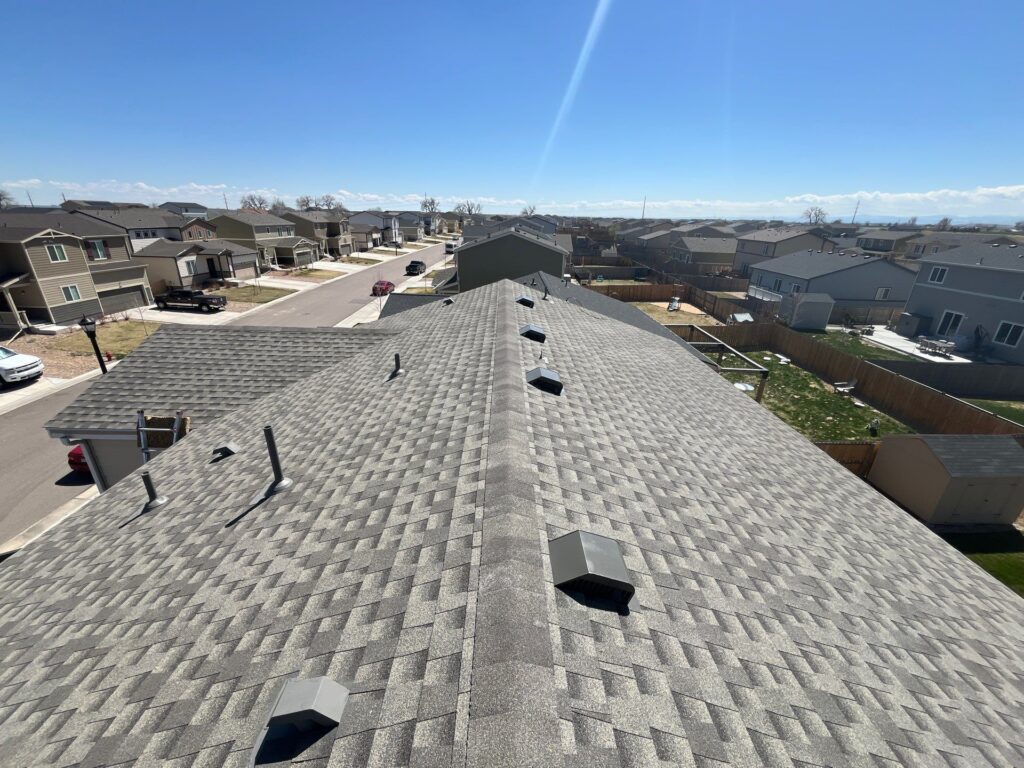
Immediate Roof Inspections After a Storm: What Every Homeowner Must Know

When a storm passes through, the visible aftermath—fallen branches, dented cars, shattered windows—often overshadows the hidden damage quietly compromising your home’s first line of defense: the roof. What many homeowners fail to realize is that delaying a storm damage roof inspection can cost far more than time. It can lead to claim denials, warranty voids, structural issues, and even a full roof replacement when timely repairs would have sufficed.

Why Roof Inspections After Storms Are Non-Negotiable

Hail, high winds, and heavy rain don’t always leave obvious signs of destruction. In fact, many of the most costly roofing issues begin with micro-damage—barely visible to the untrained eye but enough to breach protective barriers.

Subtle Damages with Severe Consequences:

  • Granule loss from hail impact, exposing asphalt shingles to UV degradation
  • Shingle bruising, reducing waterproof integrity
  • Cracked flashing or bent vents that invite water intrusion
  • Lifted shingles prone to full detachment in the next storm

These issues may seem minor, but when compounded by moisture intrusion and seasonal temperature swings, they can evolve into leaks, mold growth, or even rotted roof decking—all while remaining unnoticed until the damage is significant.

The Claims Deadline Trap: Timing Is Everything

Homeowners typically have up to 12 months to file an insurance claim after a storm-related roofing incident. However, this window can vary by policy and provider—and often, the timeline to collect recoverable depreciation (the second insurance payout) begins once the claim is filed and approved.

Failing to act within this period often results in:

  • Claim denials due to delay
  • Loss of insurance funds for repairs
  • Reduced coverage from overlapping damage in subsequent storms

Booking an inspection promptly ensures you meet carrier deadlines and have the documentation needed to support your claim. Without it, you’re left paying out-of-pocket for repairs that could have been covered.

Inspection Before Filing: The Smart First Step

While it might feel logical to contact your insurer immediately after a storm, filing a claim without professional verification of damage is risky. If your claim is denied—or worse, flagged as unnecessary—it could negatively impact your insurance record or future premiums.

A professional storm damage inspection provides:

  • Photo and video documentation of affected areas
  • Expert assessment of severity and coverage likelihood
  • Recommendations for temporary mitigation or immediate repairs
  • Guidance on whether filing a claim is advisable

Roofing experts understand what qualifies as legitimate storm damage under insurance definitions and will help you avoid unnecessary claims that don’t meet coverage thresholds.

The Hidden Dangers of Delayed Roof Inspections

Each day that passes after a storm increases your home’s vulnerability. Even minor punctures or seal failures can let water in, leading to insulation damage, drywall staining, and mold infestations. And once winter arrives, existing weaknesses are magnified.

Seasonal Complications:

  • Snow accumulation adds weight and pressure
  • Freeze-thaw cycles force moisture deeper into cracks
  • Ice dams exacerbate leakage under shingles

By delaying inspections, homeowners unwittingly allow small issues to become large expenses—many of which insurance may refuse to cover due to neglect.

Protecting Roof Warranties and Policy Coverage

Most roofing material warranties exclude coverage for damage caused by neglect. That means if a shingle manufacturer determines your roof was damaged during a storm but left unrepaired, any future claims may be denied—even for unrelated defects.

Similarly, insurance policies may deny claims if there’s evidence that the damage was:

  • Pre-existing
  • Unreported
  • Made worse by delay

Having an inspection record immediately after a storm helps establish a clear timeline and demonstrates responsible property ownership—critical for both warranty validity and insurance payouts.

What a Professional Storm Damage Inspection Should Include

Not all inspections are created equal. To ensure accuracy, accountability, and claim support, look for roofing professionals who offer the following:

  • Comprehensive exterior inspection of shingles, gutters, vents, flashing, and fascia
  • Attic inspection to detect signs of hidden moisture or insulation damage
  • Detailed photo report documenting each area of concern
  • Clear next steps for repair estimates or insurance guidance

Make sure your chosen contractor is licensed, insured, and experienced in storm-related claims. Reputable companies will help navigate the insurance process and advocate for fair compensation.

One such company is Tried and True Roofing, a trusted Denver-based provider known for its expertise in hail and wind damage, with a strong track record of assisting homeowners through inspections and successful insurance claims.

Red Flags That Signal Possible Roof Damage

Not all signs of storm damage are obvious. Homeowners should be alert to subtle cues that suggest the need for an inspection:

  • Dents on gutters, siding, or garage doors
  • Missing or curled shingles
  • Debris buildup in downspouts (a sign of granule loss)
  • Dark or discolored ceiling spots
  • Increased energy bills from insulation compromise
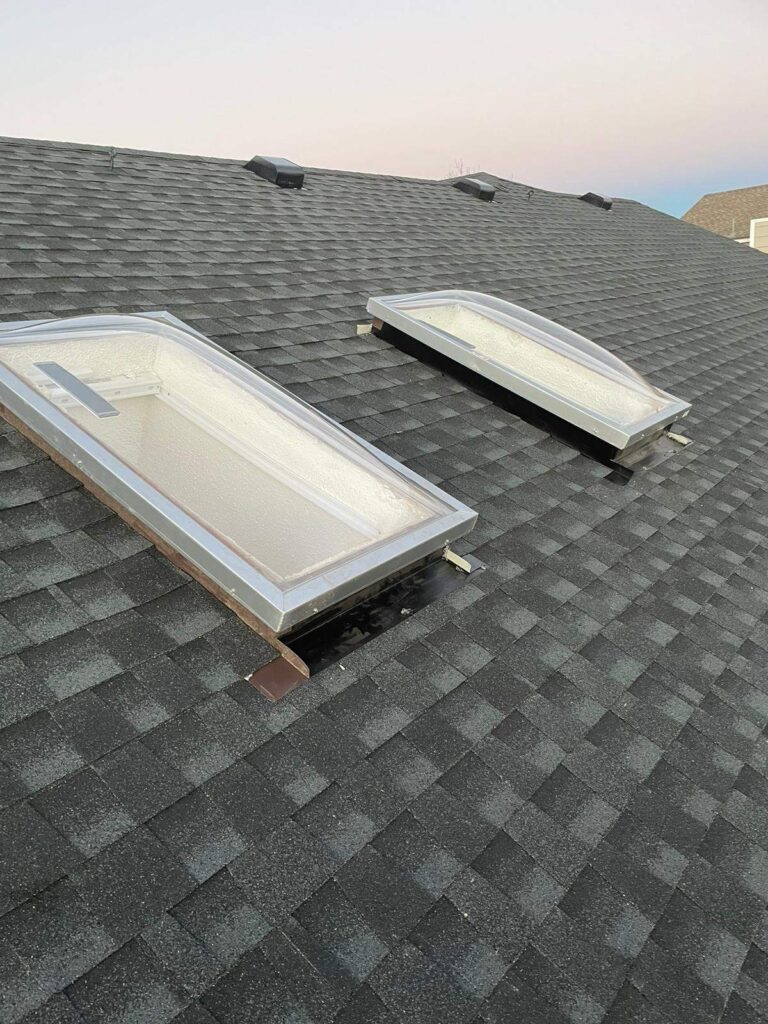
  • Water stains around skylights or ceiling vents

Even if none of these are present, homes in the path of a major storm should always receive an inspection—some of the most costly damage hides beneath the surface.

Why Preventive Inspections Beat Reactive Repairs

Homeowners who schedule inspections proactively enjoy significant benefits:

  • Faster response times before roofing companies get overwhelmed post-storm
  • Baseline documentation that establishes the roof’s condition for future claims
  • Lower repair costs by catching issues early
  • Reduced liability as insurance providers see due diligence

Conversely, waiting often means longer appointment delays, reduced contractor availability, and lost opportunities to file timely claims.

Conclusion

Storms don’t just affect your roof—they test your preparedness. A prompt storm damage roof inspection isn’t optional; it’s the most effective way to protect your property, your finances, and your peace of mind. Whether or not you see damage, the smartest move after any major weather event is to have your roof professionally evaluated. It’s a small step that can prevent major consequences in the months and years to come.

Immediate Roof Inspections After a Storm: What Every Homeowner Must Know Read More »
What Most Condo Owners Don’t Know About HO6 Insurance and Roofing Costs

Condo owners often assume that their association’s insurance policy covers everything—including roof repairs. However, that assumption isn’t always correct. Many multifamily property owners are surprised to learn that their standard condo insurance provides limited coverage for roofing expenses, leaving residents responsible for costly assessments. Understanding HO6 condo insurance and its role in protecting against these expenses is crucial for every condo owner.

Understanding HO6 Condo Insurance

HO6 insurance is an individual condo policy designed to cover the areas and risks that your association’s master insurance policy does not. It covers:

  • Interior unit damages such as from leaks or burst pipes
  • Personal property losses due to theft or fire
  • Loss of use coverage for temporary housing expenses
  • Loss assessment coverage, which helps pay for shared costs when the condo association’s policy falls short

While your HOA’s master policy covers the building’s common areas—like lobbies, hallways, and exterior structures—HO6 insurance focuses on your personal unit and financial protection from unexpected assessments.

Why Standard Condo Insurance Isn’t Enough

Many condo associations carry commercial or multifamily roofing policies with high deductibles—often 1% to 5% of the property’s value. This means that for minor or moderate roof damage, the insurance payout may not even trigger.

For example, if a building is valued at $3 million, a 1% deductible equals $30,000. Unless repair costs exceed that amount, the insurer won’t contribute anything. As a result, the financial burden frequently shifts to individual condo owners through special assessments.

The Hidden Cost of Code Upgrades

Building codes evolve over time, and older properties often require updates to meet new standards. Unfortunately, most condo insurance policies cap how much they’ll pay for code-related upgrades, usually between 1–10% of the dwelling cost.

This leaves associations and residents covering the majority of these expenses out of pocket. HO6 insurance helps by absorbing part of the financial shock when your HOA imposes an assessment for mandatory improvements or code compliance.

How HO6 Insurance Protects Condo Owners

When a condo association faces an unexpected expense—like storm damage or roof replacement—and insurance doesn’t cover it fully, they issue a special assessment to residents. This can amount to thousands of dollars per owner.

HO6 insurance policies typically include loss assessment coverage, which reimburses you for your portion of these shared costs. Depending on the policy, coverage limits often range between $10,000 and $50,000, ensuring you’re not left unprepared for sudden financial obligations.

The Importance of Roof Maintenance for Multifamily Properties

Preventative maintenance is key to avoiding large, unexpected roofing bills. Routine inspections and timely repairs can help extend the lifespan of a multifamily roof while identifying potential issues before they escalate.

  • Schedule regular inspections at least twice a year
  • Address small leaks or cracks immediately
  • Keep gutters and drainage clear to prevent water buildup
  • Document all maintenance to simplify future insurance claims

Well-maintained roofs not only protect your investment but also minimize the likelihood of large special assessments triggered by neglect or code noncompliance.

How Condo Associations Can Minimize Risk

Condo boards and associations can safeguard their communities by:

  • Reviewing their master insurance policy annually
  • Consulting insurance professionals to evaluate deductible levels
  • Encouraging all residents to maintain personal HO6 policies
  • Partnering with trusted local roofing contractors for ongoing maintenance

A proactive approach can save thousands in future repair and assessment costs.

Expert Roofing Support in Denver, Colorado

For condo associations and homeowners seeking professional insight into multifamily roof maintenance and insurance coordination, Tried and True Roofing in Denver, Colorado provides expert evaluations and long-term roofing solutions. Their experience with both residential and multifamily structures ensures every project meets code requirements while maximizing insurance efficiency.

Conclusion

HO6 condo insurance is a vital safeguard against the hidden costs of roof damage and code upgrades that many condo owners never anticipate. Standard condo insurance often leaves significant gaps, especially for roofing expenses in multifamily properties. By understanding your coverage, maintaining your roof, and working with reputable roofing companies in Denver, you can avoid unexpected financial burdens and protect your property investment with confidence.

What Most Condo Owners Don’t Know About HO6 Insurance and Roofing Costs Read More »

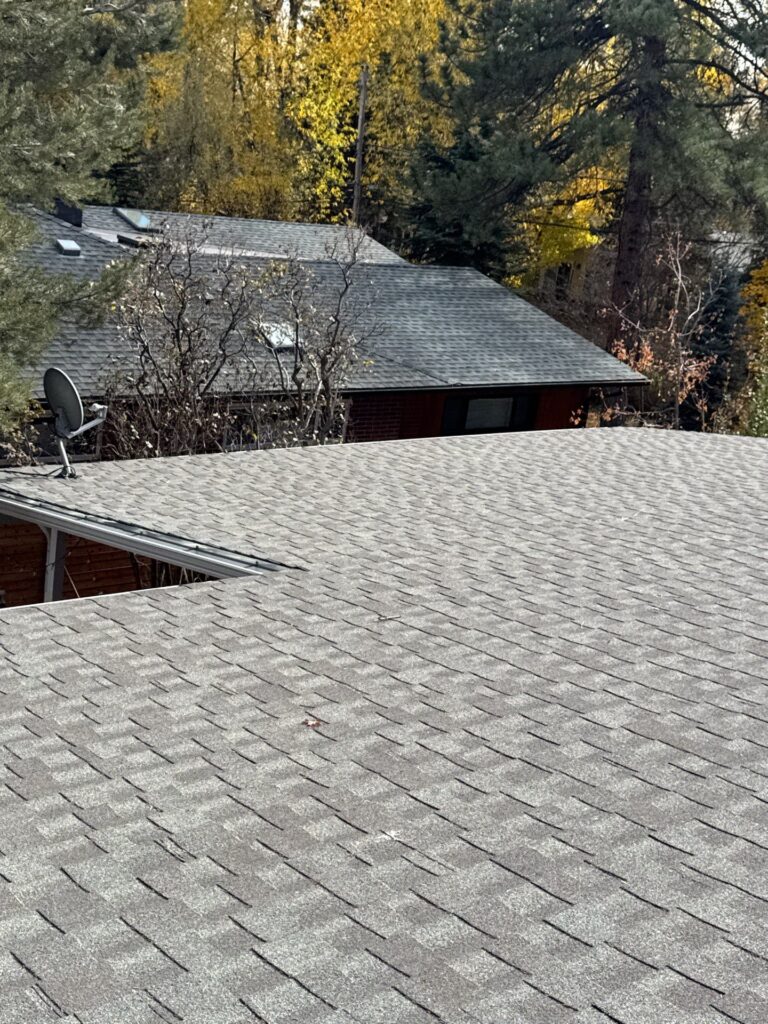
Roof Pitch and Its Effect on Roof Replacement Costs

When planning a roof replacement, one of the most critical—yet often overlooked—factors influencing cost is roof pitch. The angle or steepness of your roof plays a major role in determining material requirements, labor intensity, and even the types of roofing products suitable for your home. Understanding this factor helps homeowners make informed decisions and budget accurately for their project.

Understanding Roof Pitch

Roof pitch refers to the degree of slope or incline that defines how steep a roof is. It’s typically represented as a ratio indicating how much the roof rises vertically for every 12 inches of horizontal span. For instance, a 6/12 pitch means the roof elevates 6 inches for each foot of horizontal distance.

  • Low-Slope Roofs: 2/12 to 4/12
  • Standard Residential Roofs: 4/12 to 8/12
  • Steep Roofs: 9/12 or greater

Pitch determines how effectively water, snow, and debris shed from the surface and how the roof performs in different weather conditions—especially in climates like Denver’s that experience both heavy snowfall and intense sunlight.

How Roof Pitch Influences Roof Replacement Costst

1. Increased Surface Area

The steeper the roof, the greater the surface area. Even if the footprint of the house remains the same, a steep roof covers more square footage than a flat or gently sloped one. This means:

  • More shingles or panels are needed.
  • Additional underlayment and fasteners are required.
  • Extra time and labor are necessary for installation.

As a result, the material and labor costs for steep roofs can be significantly higher.

2. Material Limitations and Choices

Not all roofing materials are suited for every pitch. Roofs with very low slopes may require specialized waterproof membranes, while steep-pitched roofs often use shingles or tiles that complement the slope’s visibility and drainage performance.
For example:

  • Asphalt shingles: Ideal for pitches between 4/12 and 8/12.
  • Metal roofing: Suitable for both low and high pitches.
  • TPO or EPDM membranes: Designed for flat or near-flat roofs.
    Steeper roofs also contribute more to a home’s curb appeal, which can influence homeowners to choose premium materials for aesthetic value.

3. Labor and Safety Challenges

Steep roofs are more dangerous and time-consuming to install. Roofing professionals must use harnesses, scaffolding, or roof jacks to work safely, which increases labor costs. Each step of the process—from removing old shingles to installing flashing and vents—takes longer and requires greater expertise.
Because of this, roofers often charge higher rates for steep-slope projects compared to low-pitch installations.

Other Key Factors That Affect Roof Replacement Costs

While pitch is a major component, several additional elements influence your total roof replacement cost:

  • Roof size and design complexity (valleys, dormers, skylights)
  • Roofing material type and grade
  • Home accessibility and height
  • Local labor rates and permitting requirements
  • Condition of the roof deck or structural supports

Each of these can either raise or reduce the final project cost, depending on your home’s structure and location.

How to Estimate Roof Pitch Costs Accurately

For homeowners in Denver and surrounding areas, the best way to determine cost is through a professional roof inspection. Certified roofers can measure pitch, calculate surface area, and provide precise cost breakdowns for materials and labor. Online calculators can give an estimate, but an in-person evaluation is far more accurate.

Choosing the Right Roofing Experts in Denver

Working with an experienced local contractor ensures that your roof replacement accounts for both pitch and regional climate challenges. Tried and True Roofing, based in Denver, Colorado, specializes in assessing roof slope, selecting compatible materials, and delivering safe, efficient installations that maximize longevity and curb appeal.

Conclusion

Roof pitch directly impacts your roof replacement cost by influencing material volume, product selection, and labor complexity. Steeper roofs require more materials and greater safety precautions, while low slopes may need specialized membranes for waterproofing. By understanding how roof pitch affects pricing—and consulting trusted roofing companies in Denver—homeowners can plan their projects more confidently, ensuring durable, efficient, and visually appealing results for years to come.

Roof Pitch and Its Effect on Roof Replacement Costs Read More »

How to Choose the Right Roofing Contractor for Your Home

Selecting the right roofing contractor is one of the most important decisions a homeowner can make. A professional, experienced roofer ensures quality workmanship, compliance with local regulations, and long-lasting protection for your home. Below are key factors to help you hire a trusted roofing contractor who will deliver reliable results.

Check Credentials and Experience

Always start by verifying a roofer’s license, insurance, and experience. These credentials confirm they are qualified and legally allowed to perform roofing work in your area.
License and Insurance: Request proof of a valid state or local roofing license along with general liability and workers’ compensation insurance. This safeguards homeowners from being held responsible for any property damage or on-site injuries.
Experience: Established roofers with years of experience are better equipped to handle complex projects and unexpected challenges. They are also more likely to honor warranties and maintain accountability over time.

Evaluate Reviews and Reputation

A contractor’s online presence can tell you a lot about their professionalism and customer satisfaction. Look for consistent ratings of 4.0 stars or higher and pay attention to common themes in reviews.
Positive reviews that emphasize responsiveness, clear communication, and attention to detail are excellent signs. Also note how the company responds to negative feedback — a professional roofer will address issues respectfully and constructively.

Hire a Local Roofing Company

Choosing local roofers ensures faster service and a better understanding of regional needs. Roofers in Denver, Colorado know local permitting laws, building codes, and the challenges caused by hail, snow, and temperature swings.
Local companies rely on their community reputation, which means they are more likely to provide quality workmanship and quick response times in case of emergencies.

Understand Roofing Warranties

Reliable roofing contractors stand behind their work with written warranties. You should obtain both types of coverage:
Workmanship Warranty: Protects against issues arising from installation mistakes or poor craftsmanship. A reputable roofer will fix any issues caused by poor workmanship without charge.
Manufacturer’s Warranty: Ensures protection against defects or failures in roofing materials like shingles or underlayment. Only certified contractors can offer enhanced manufacturer warranties from leading brands like Owens Corning or GAF.

Ask to See Past Projects

Before hiring, request a portfolio of completed projects or a list of references. Contact past clients to ask about their experience, professionalism, and satisfaction with the results. Viewing a roofer’s portfolio also helps you assess their craftsmanship, especially if you have a specific roofing material or style in mind.

Review the Roofing Estimate Carefully

A detailed, transparent estimate is one of the strongest indicators of a professional contractor. Your estimate should clearly list:

  • Material costs and specifications
  • Labor costs
  • Permitting fees
  • Timeline and project schedule
  • Warranty details
  • Licensing and insurance information
    Avoid contractors who provide vague or incomplete estimates, as this often leads to hidden fees and disputes later.

Assess Professionalism and Communication

Throughout your interactions, pay attention to how the contractor communicates. Professional roofers are responsive, organized, and transparent about timelines, costs, and materials. They should promptly return calls or emails, arrive on time for appointments, and explain all details clearly. Contractors who are disorganized or evasive during the quote process are likely to be unreliable once the project begins.

Work with a Trusted Denver Roofing Expert

When choosing roofing in Denver, partner with a contractor that combines experience, integrity, and community reputation. Tried and True Roofing, based in Denver, Colorado, exemplifies professionalism through licensed work, transparent pricing, and superior craftsmanship on every project.

Conclusion

Choosing the right roofing contractor means taking the time to verify credentials, review warranties, and assess professionalism. Prioritize experienced, local roofers with strong reputations and transparent communication. With careful selection and due diligence, homeowners can ensure their roofing project is completed efficiently, safely, and to the highest standards.

How to Choose the Right Roofing Contractor for Your Home Read More »

How to Know If a Roofing Company Can Be Trusted

Hiring a roofing contractor shouldn’t feel like taking a gamble. Your roof is one of the most expensive systems in your home, and choosing the wrong company can lead to poor workmanship, wasted money, or even property damage. To avoid that risk, homeowners need to know how to tell if a roofing business is truly professional and credible.

Look for Proper Credentials

Every legitimate roofing contractor operates with the correct paperwork in place. Before any work begins, ask for:

  • A state or local business license confirming legal operation.
  • Active liability coverage in case of accidental harm to your home or belongings.
  • Workers’ compensation coverage to protect you from liability if a crew member is injured.

Don’t just take their word for it—ask for copies and confirm those documents are valid with the proper agencies. Companies that hesitate to share credentials often have something to hide.

Make Sure They’re Actually Local

A trustworthy roofing company has a real address and a long-term presence in your area. Fly-by-night roofers often move from town to town after storms, taking deposits and disappearing before warranty work is needed.

Local contractors know the climate, permitting rules, and building standards in Denver. More importantly, they depend on local referrals, so their reputation is everything.

Research Reputation and Longevity

Spend time researching a roofer’s history before scheduling an appointment. Start with online reviews and then dig deeper:

  • Search the Better Business Bureau (BBB) for complaints or unresolved disputes.
  • Read through Google and Yelp reviews for patterns of reliability or red flags.
  • Ask for references from recent customers within your city.

A company that consistently earns praise and stands behind its work is far less likely to cause trouble down the road.

Spot the Red Flags of Roofing Scams

Dishonest contractors often rely on fast talk or enticing promises. Here are warning signs every homeowner should recognize:

  1. Extremely low bids designed to hook you quickly.
  2. High-pressure sales methods, like limited-time or “one-day” offers.
  3. Asking for total payment in advance prior to beginning the project.
  4. No written contract outlining materials or labor.
  5. Offers to waive insurance deductibles — something that’s not just unethical but illegal in Colorado.

When the deal sounds unbelievable, it usually is. Real professionals build trust through transparency, not pressure.

Ask Smart Questions Before You Hire

A few simple questions can reveal a lot about a roofer’s integrity:

  • How long have you been operating under this company name?
  • What brands or materials do you specialize in?
  • Could you provide documentation of your current insurance and business license?
  • Can you explain the type of labor warranty that comes with your services?
  • Who manages permitting and inspections?

Professional contractors will answer openly and provide documentation right away. Any hesitation or vague responses should stop the conversation cold.

Why Choosing Local Matters

Local roofing companies do more than just fix roofs—they protect community standards. Denver homeowners, for example, face unique weather conditions like hail, snow, and high-altitude UV exposure. A Denver roofing company that understands those challenges can recommend materials and techniques that perform best in this environment.

For reliable service and long-term support, homeowners often turn to Tried and True Roofing, a well-established contractor based in Denver, Colorado, known for transparent communication and quality workmanship.

Expect Professionalism from Start to Finish

A legitimate roofer treats every project with organization and respect. That means detailed written estimates, clear scheduling, proper cleanup, and consistent updates during the job. From the first phone call to the final inspection, professionalism should never slip.

When a company communicates clearly, documents everything, and respects your home, you know you’re working with someone trustworthy.

Conclusion

Verifying a roofing company’s legitimacy requires a mix of research, observation, and common sense. Check their credentials, confirm they’re local, and investigate their reputation before committing. Avoid anyone who pressures you into quick decisions or makes offers that seem suspiciously cheap.

Partnering with a proven Denver roofer ensures your investment is protected and your roof is built to withstand Colorado’s demanding climate for years to come.

How to Know If a Roofing Company Can Be Trusted Read More »

How to Choose the Best Roofing Contractor in Denver, Colorado

Selecting the ideal roofing contractor is among the most crucial choices any homeowner will make. Your roof is a critical part of your home’s protection, and selecting the right professional ensures quality workmanship, durability, and peace of mind for decades to come. At Tried and True Roofing, we understand the challenges Denver homeowners face—intense sun, sudden hailstorms, and fluctuating temperatures—and we believe the key to lasting protection starts with the right contractor.

What Defines a Trustworthy Roofing Company in Denver

A reliable roofing company in Denver stands apart through professionalism, transparency, and expertise. The most reputable contractors share common traits that demonstrate both their competence and commitment to clients. These include proper licensing, insurance coverage, local experience, and proven warranties.

A good roofing company will never pressure homeowners into fast decisions or avoid written estimates. Instead, they’ll guide you through materials, costs, and schedules with complete clarity, ensuring your home receives the attention it deserves.

Verify Licensing, Insurance, and Local Credentials

Before signing any contract, homeowners should always verify that a contractor is licensed, insured, and bonded. These credentials protect both the homeowner and the contractor in the event of accidents, property damage, or project delays.

Local experience is another critical factor. Denver roofing contractor who understands the region’s weather patterns and city codes will recommend materials that perform best in high-altitude conditions and handle snow, hail, and UV exposure efficiently.

Transparent Estimates and Written Agreements

Professional roofers always provide detailed, written estimates that outline all aspects of the job—from materials and labor costs to warranties and cleanup procedures. Homeowners should be cautious of vague verbal quotes or contractors who demand large payments before work begins.

Written contracts establish accountability and give homeowners a clear understanding of timelines and project expectations. Transparency is the foundation of a successful roofing partnership.

Experience and Reputation: The Core of a Reliable Roofer

A trustworthy roofer in Denver will have years of verifiable experience and a reputation for quality craftsmanship. Look for consistent reviews that highlight reliability, cleanliness, and professionalism.

Established roofers take pride in their community reputation and often rely on referrals from satisfied clients. They also maintain relationships with top roofing manufacturers to offer extended warranties on materials and labor.

Warranties That Protect Your Investment

A strong warranty is a reflection of a contractor’s confidence in their work. Always ask for both manufacturer warranties—covering materials—and workmanship warranties—covering installation quality.

Top roofers in Denver often provide multi-year workmanship guarantees that ensure long-term protection against leaks or defects. Choosing a company with robust warranty coverage provides lasting peace of mind.

Warning Signs of Unreliable Contractors

Unfortunately, not every contractor operates with integrity. Homeowners should avoid roofers who:

  • Refuse to provide proof of insurance or licensing
  • Request full payment before starting work
  • Lack a physical business address or verifiable contact information
  • Offer suspiciously low prices that seem “too good to be true”
  • Suggest waiving insurance deductibles (which is illegal in Colorado)

Being aware of these warning signs helps homeowners steer clear of potential scams and costly mistakes.

Why Local Expertise Matters in Roofing

Hiring local roofing in Denver professionals ensures better communication, faster response times, and a deep understanding of the area’s unique challenges. Local contractors know which materials perform best against hail and temperature fluctuations, and they can respond quickly to emergencies.

A locally rooted business also has a vested interest in maintaining strong community relationships—something you can’t get from out-of-town “storm chasers.”

When It’s Time to Replace Your Roof

Homeowners often wonder when a roof truly needs replacement. Common indicators include:

  • Curling or missing shingles
  • Frequent leaks or water stains in the attic
  • Granule loss or damaged flashing
  • Visible sagging or soft spots
  • Roof age exceeding 20 years

A professional inspection can confirm whether repair or full replacement is the best solution. Addressing roof damage promptly prevents structural issues and saves on future repair costs.

Partnering With the Right Professionals

Working with an experienced Denver roofing contractor ensures your project is completed efficiently, safely, and to code. From material selection to installation, the right partner provides expert guidance every step of the way—delivering not only a durable roof but also long-term energy efficiency and enhanced property value.

For homeowners in Denver, Colorado, Tried and True Roofing stands as a trusted example of craftsmanship and integrity. Their locally focused team provides detailed assessments, transparent communication, and roofing solutions built to withstand Colorado’s extreme conditions.

Conclusion

Choosing the right roofing professional is more than hiring someone to replace shingles—it’s about finding a partner who values quality, accountability, and your home’s long-term health. The best roofing company in Denver is one that combines technical expertise with honesty and care. By verifying credentials, demanding transparency, and prioritizing local experience, you can ensure your home is protected by a roof built to last for generations.

How to Choose the Best Roofing Contractor in Denver, Colorado Read More »