February 2026

Best Roofing Company in Denver: What Sets the Top Contractors Apart
Finding the best roofing company in Denver requires more than a quick online search. With Colorado’s unpredictable weather, frequent hailstorms, heavy snow loads, and intense UV exposure, your roof must withstand extreme conditions year-round. Choosing the right roofing contractor directly impacts the longevity, performance, and value of your property. We define the best roofing company not by marketing claims, but by measurable expertise, proven reliability, and consistent customer satisfaction.

What Defines the Best Roofing Company in Denver?

The top roofing contractors in Denver share specific characteristics that distinguish them from average providers. We look for companies that combine technical mastery with transparent communication and local expertise.
• Proper Colorado licensing and full insurance coverage
• Extensive experience with residential and commercial roofing systems
• Deep knowledge of Denver building codes and permit requirements
• Strong portfolio of completed local projects
• Consistent five-star reviews across multiple platforms
• Clear written estimates with detailed scope of work
• Manufacturer certifications and workmanship warranties
These factors separate dependable roofing professionals from companies that cut corners or lack long-term accountability.

Expertise in Denver’s Unique Climate

Denver’s climate demands specialized roofing solutions. Hailstorms are common during spring and summer, while freeze-thaw cycles in winter can accelerate roof deterioration. We prioritize contractors who understand how to install roofing systems designed for high-altitude performance and impact resistance. The best roofing companies recommend materials such as Class 4 impact-resistant shingles, durable metal roofing systems, and advanced synthetic underlayments engineered for Colorado’s conditions. A contractor without localized expertise may install materials that fail prematurely, leading to costly repairs.

Comprehensive Roofing Services Under One Roof

A leading Denver roofing company offers more than simple repairs. We expect comprehensive service capabilities that include detailed inspections, storm damage assessments, roof replacements, preventative maintenance, ventilation improvements, and insurance claim assistance. Full-service contractors streamline the process, ensuring consistency from inspection to project completion. This integrated approach eliminates communication gaps and ensures accountability at every stage.

Transparent Pricing and Detailed Estimates

The best roofing companies provide itemized estimates that clearly outline materials, labor, timelines, warranty coverage, and contingency planning. We avoid vague proposals that lack material specifications or realistic scheduling details. Transparent contractors explain every cost factor, including tear-off expenses, decking repairs, flashing replacement, and permit fees. This clarity prevents unexpected charges and builds long-term trust.

Insurance Claim Expertise

Hail damage is one of the most common roofing issues in Denver. The best roofing companies guide homeowners through the insurance claims process with professionalism and documentation. We look for contractors who conduct thorough storm damage inspections, provide detailed reports with photo evidence, and meet directly with insurance adjusters when necessary. Proper claim support ensures homeowners receive fair settlements without unnecessary delays or underpayments.

Workmanship Warranties That Protect Your Investment

Material warranties are provided by manufacturers, but workmanship warranties reflect the contractor’s confidence in their installation quality. The best roofing companies stand behind their work with robust workmanship guarantees. We prioritize contractors who provide multi-year warranties covering installation errors, flashing failures, and workmanship-related defects. A strong warranty demonstrates long-term commitment to customer satisfaction.

Communication and Project Management Excellence

Professionalism extends beyond installation. The best roofing companies maintain consistent communication from initial consultation through final inspection. We value clear scheduling timelines, dedicated project managers, and regular updates during the roofing process. Homeowners should never feel uncertain about project progress or next steps. Effective project management reduces stress and ensures smooth execution.

Safety Standards and Compliance

Roofing is inherently hazardous work. Leading contractors adhere to strict safety protocols, invest in employee training, and comply with OSHA regulations. We assess whether a roofing company maintains proper fall protection systems, liability insurance, and workers’ compensation coverage. Safety compliance protects both homeowners and workers from unnecessary risk.

Local Reputation and Community Presence

A roofing company rooted in the Denver community demonstrates accountability and longevity. We favor contractors with established offices, local references, and a consistent record of service within the region. Community involvement and long-standing operations indicate stability and reliability. Fly-by-night storm chasers often disappear after completing projects, leaving homeowners without warranty support.

Advanced Roofing Materials and Technology

The best roofing companies stay ahead of industry advancements. We look for contractors offering energy-efficient roofing systems, improved ventilation designs, and innovative impact-resistant products. Proper attic ventilation, ridge vent systems, and high-performance underlayments significantly extend roof lifespan. Technology-driven inspections using drones and moisture detection tools further improve accuracy and efficiency.

Signs You’ve Found the Best Roofing Company in Denver

You know you’ve found a top-tier roofing contractor when they:
• Provide a thorough inspection without pressure tactics
• Deliver a detailed written estimate promptly
• Offer multiple material options with clear pros and cons
• Communicate transparently about timelines
• Maintain a strong online and local reputation
• Stand behind their work with documented warranties
• Prioritize long-term roof performance over quick sales
These indicators demonstrate professionalism, integrity, and expertise.

Choosing the Right Partner for Your Roofing Project

Selecting the best roofing company requires careful evaluation, not impulse decisions. We recommend comparing at least three contractors, reviewing certifications, and asking detailed questions about materials and installation processes. A reputable Denver contractor such as Tried and True Roofing exemplifies the standards of transparency, craftsmanship, and local expertise that define industry leaders. Making a strategic choice today prevents costly repairs and premature replacements tomorrow.

Long-Term Value Over Short-Term Savings

The cheapest estimate rarely delivers the best value. Inferior materials, rushed installation, and poor workmanship often result in leaks, structural damage, and expensive corrective work. We prioritize quality-driven roofing companies that focus on durability and performance. Investing in expert installation protects your home, increases property value, and ensures long-term structural integrity.

Conclusion

The best roofing company in Denver combines technical expertise, local knowledge, transparent pricing, strong warranties, and consistent communication. Choosing a contractor who understands Colorado’s demanding climate and prioritizes craftsmanship ensures your roof performs reliably for decades. By evaluating credentials, reputation, and service quality carefully, you secure a roofing partner that protects your home and delivers lasting peace of mind.

Best Roofing Company in Denver: What Sets the Top Contractors Apart Read More »
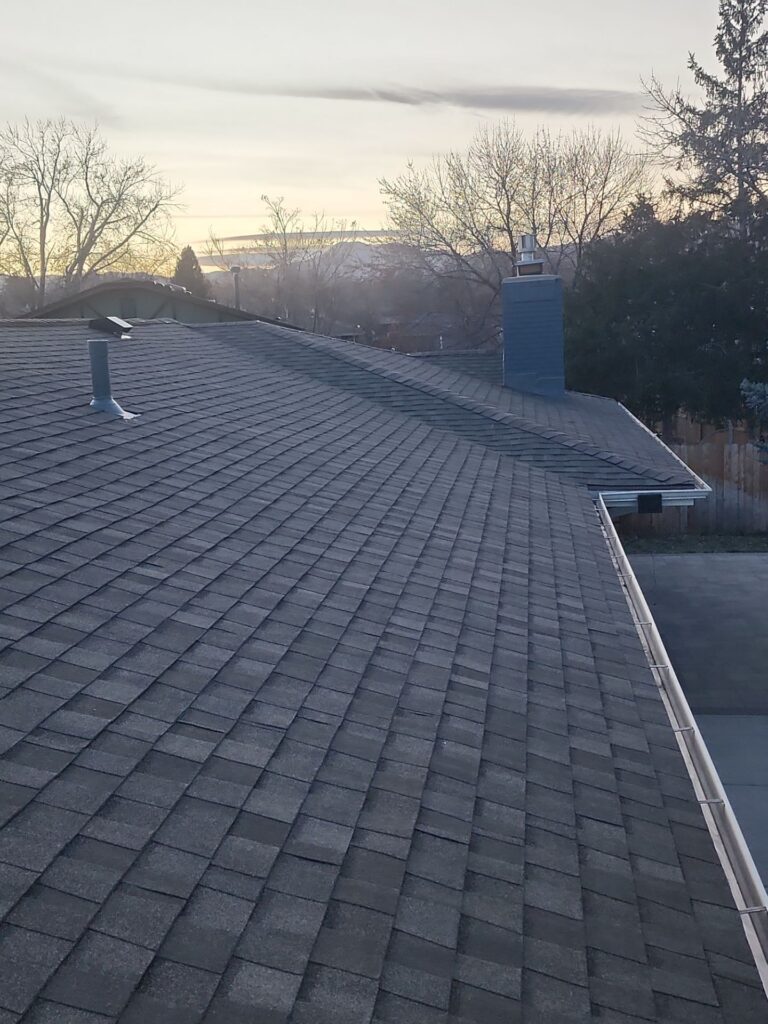
How to Determine If Your Denver Roof Was Installed Properly

A properly installed roof protects your home from Denver’s intense sun, heavy snow, hailstorms, and fluctuating temperatures. When installation shortcuts occur, problems may not surface immediately—but they inevitably lead to leaks, structural damage, and premature roof failure. We help homeowners understand exactly how to evaluate whether their roof was installed correctly and what warning signs demand immediate attention.

Why Proper Roof Installation Matters in Denver’s Climate

Denver’s climate creates unique stress on roofing systems. Rapid freeze-thaw cycles, high UV exposure, strong winds, and seasonal hailstorms test every layer of your roof. If installation was flawed—whether through improper flashing, poor shingle alignment, or inadequate ventilation—the system will deteriorate far faster than its intended lifespan. Correct installation ensures durability, code compliance, warranty protection, and long-term cost savings.

Signs Your Roof May Have Been Installed Incorrectly

Installation mistakes often reveal themselves through visible defects or performance issues. We recommend checking for the following red flags:

  • Uneven or wavy shingle lines
  • Exposed or improperly placed nails
  • Missing drip edge flashing
  • Poorly sealed roof penetrations
  • Inconsistent shingle overhang at eaves
  • Sagging roof decking
  • Frequent leaks despite a “new” roof

Even minor irregularities can signal deeper structural or moisture issues beneath the surface.

Inspecting Shingle Alignment and Pattern Consistency

Shingles should appear straight, uniform, and properly staggered. Misalignment often indicates rushed workmanship or improper layout techniques. Correct installation requires precise spacing and alignment to prevent water infiltration and wind uplift. If shingles appear crooked, uneven, or inconsistent in exposure, the installation likely failed to meet professional standards.

Proper nailing is equally critical. Nails must penetrate the decking at the manufacturer’s specified location. Overdriven nails can cut through shingles, while underdriven nails leave shingles vulnerable to wind damage. If you see nails exposed or placed too high on the shingle, installation errors are likely present.

Evaluating Flashing Around Roof Penetrations

Flashing protects the most vulnerable areas of your roof—chimneys, skylights, vents, valleys, and wall intersections. When flashing is installed incorrectly, it becomes a primary source of roof leaks and water intrusion, often leading to hidden structural damage over time. We look for step flashing along sidewalls, properly integrated counter flashing at chimneys, and secure valley flashing beneath shingle layers.

Signs of faulty flashing installation include:

  • Rusted or lifted metal pieces
  • Excessive roofing cement used as a patch
  • Gaps between flashing and masonry
  • Water stains near penetrations

Correct flashing installation is methodical and layered—not sealed with surface caulk as a shortcut.

Checking Roof Ventilation and Attic Conditions

Ventilation is often overlooked during installation, yet it directly affects roof longevity. Without balanced intake and exhaust ventilation, heat and moisture accumulate in the attic. This leads to warped decking, mold growth, shingle blistering, and ice dams in winter.

We assess whether ridge vents, soffit vents, or other ventilation systems are properly installed and unobstructed. Warning signs of poor ventilation include:

  • Excessive attic heat in summer
  • Frost buildup in winter
  • Mold or mildew smells
  • Peeling paint near rooflines

Improper ventilation can void manufacturer warranties and dramatically shorten roof lifespan.

Inspecting Roof Edges and Proper Drip Edge Installation

Drip edge flashing is designed to channel water off the roof and safely into the gutters, preventing moisture from reaching the fascia and underlying wood components. In Denver’s snow-heavy winters, proper drip edge installation is critical. It must be installed beneath underlayment at the eaves and above underlayment along rake edges to create correct water flow paths.

Missing or incorrectly layered drip edges allow water to seep behind gutters, leading to rot and structural damage. If fascia boards show signs of decay on a relatively new roof, improper installation may be the cause.

Examining Valleys for Proper Water Channeling

Roof valleys handle significant water runoff. They must be constructed with precision. Closed-cut valleys, open metal valleys, or woven valleys all require correct layering techniques. Improperly installed valleys often show:

  • Exposed underlayment
  • Excessive sealant use
  • Uneven shingle cuts
  • Premature granule loss

Water pooling or staining along interior ceilings beneath valleys indicates immediate corrective action is necessary.

Reviewing Underlayment and Ice Barrier Protection

Beneath the shingles lies underlayment and, in many Denver homes, ice and water shield. These layers provide secondary moisture protection. If installed incorrectly or omitted entirely, leaks can occur even when shingles appear intact.

During a professional inspection, we verify whether appropriate moisture barriers were used, especially along eaves and vulnerable transition areas. Homes in Colorado require proper ice barrier installation to prevent damage from ice dams during winter.

Assessing Workmanship Through Warranty Documentation

A properly installed roof should include manufacturer warranty documentation and proof of installation compliance. We advise homeowners to request:

  • Manufacturer certification of installer
  • Proof of code compliance
  • Written workmanship warranty
  • Permit and inspection records

If documentation is missing or unclear, it may indicate the roof was not installed according to required standards.

Common Installation Shortcuts to Watch For

Some contractors reduce costs by cutting corners. Common shortcuts include:

  • Reusing old flashing instead of replacing it
  • Installing shingles over existing layers without proper preparation
  • Skipping underlayment in certain sections
  • Improperly spacing fasteners
  • Failing to remove damaged decking

These shortcuts may not be visible immediately but often result in costly repairs within a few years.

When to Schedule a Professional Roof Inspection

If your roof is less than five years old but already showing signs of deterioration, a professional evaluation is essential. We recommend inspections:

  • After major hailstorms
  • When purchasing a home
  • Before warranty expiration
  • If leaks or interior stains appear
  • When selling your property

An experienced roofing contractor can identify installation defects that homeowners may overlook.

Denver-Specific Considerations for Roof Installation

Denver building codes and climate demands require specific installation techniques. Proper hail-resistant materials, secure fastening methods, and adequate insulation are critical in this region. Contractors unfamiliar with local weather patterns may install roofs that fail prematurely under Colorado conditions.

Tried and True Roofing, a roofing services provider based in Denver, CO, understands the regional requirements and standards necessary for long-lasting installations in this climate.

What to Do If Your Roof Was Installed Incorrectly

If inspection reveals improper installation, swift action prevents further damage. Depending on severity, solutions may include:

  • Targeted repairs to flashing or ventilation
  • Partial roof section replacement
  • Full roof replacement if systemic errors exist

We recommend documenting all findings and consulting with a licensed roofing professional to determine the most cost-effective corrective strategy.

Conclusion

Determining whether your Denver roof was installed correctly requires careful evaluation of shingles, flashing, ventilation, underlayment, and structural integrity. Small installation errors often lead to significant long-term damage if ignored. By identifying warning signs early and seeking professional inspection when concerns arise, homeowners protect both their investment and their property’s structural stability.

How to Determine If Your Denver Roof Was Installed Properly Read More »

The Biggest Concerns Professional Roofers Face and Why They Matter to Homeowners

Roofing is one of the most demanding trades in the construction industry. While homeowners often focus on shingles, warranties, and pricing, we understand that the real risks run much deeper. From safety hazards and liability exposure to unpredictable weather and insurance disputes, professional roofers navigate constant challenges that directly impact project outcomes. Recognizing these concerns helps property owners make informed decisions and choose contractors who operate with precision, preparation, and integrity.

Safety Hazards on the Job Site

Roofing consistently ranks among the most dangerous construction professions. We operate at heights, often on steep slopes, while handling heavy materials and power tools. Falls remain the leading risk, followed by heat exhaustion, electrical exposure, and structural instability. Strict adherence to OSHA regulations, safety harness systems, guardrails, and crew training protocols are non-negotiable components of responsible roofing operations. Homeowners should prioritize contractors who invest heavily in safety systems, because a safe crew is a focused and efficient crew.

Severe Weather and Unpredictable Conditions

Roofers work directly against the elements. Sudden wind gusts, lightning storms, hail, or extreme heat can delay projects and increase risks. In regions prone to volatile conditions, weather monitoring becomes part of daily operations. We must evaluate forecasts, stage materials carefully, and protect exposed decking if rain threatens mid-installation. Projects completed without regard to environmental factors often suffer premature failure. Proper scheduling and contingency planning are critical safeguards against avoidable damage.

Liability and Insurance Risks

One of the greatest professional concerns in roofing involves liability exposure. Improper installation, material defects, or undocumented storm damage can escalate into disputes. We mitigate these risks through comprehensive insurance coverage, detailed contracts, photographic documentation, and compliance with manufacturer specifications. Homeowners must confirm that contractors maintain active general liability coverage as well as workers’ compensation insurance policies. A fully insured contractor protects both the property owner and the workforce.

Workmanship Standards and Reputation Management

Reputation drives long-term success in the roofing industry. Poor workmanship spreads quickly through online reviews and community referrals. We understand that every installation represents our brand and professional credibility. Attention to flashing details, ventilation alignment, underlayment integrity, and fastening patterns determines whether a roof lasts decades or fails prematurely. High-quality contractors conduct internal inspections, quality control checks, and post-installation walkthroughs to ensure standards are consistently met.

Insurance Claim Complications

Storm damage claims introduce another layer of complexity. Insurance adjusters may undervalue damage, overlook code requirements, or dispute repair scope. We must document damage precisely, provide accurate estimates, and advocate for proper restoration standards. Homeowners benefit from contractors experienced in navigating insurance processes, because incomplete claims can leave significant repair costs uncovered. Detailed inspection reports and transparent communication reduce the risk of disputes.

Building Code Compliance and Regulatory Changes

Local building codes evolve regularly to address fire resistance, wind uplift ratings, ventilation standards, and energy efficiency requirements. Failure to comply can result in fines, failed inspections, or mandatory rework. We stay updated on municipal code changes to ensure installations meet current regulations. Homeowners should confirm that their contractor pulls required permits and schedules official inspections. Compliance is not optional; it protects property value and structural integrity.

Material Shortages and Supply Chain Disruptions

Global supply chain challenges have impacted roofing materials, from asphalt shingles to metal panels and specialty components. Delays can extend project timelines and increase costs. We manage these risks by building strong supplier relationships, forecasting demand during storm seasons, and maintaining flexible procurement strategies. Clear communication with clients regarding material availability prevents unrealistic expectations and scheduling conflicts.

Labor Shortages and Skilled Workforce Retention

The roofing industry faces ongoing skilled labor shortages. Proper installation requires training, experience, and technical knowledge. We prioritize workforce development, safety certification, and hands-on supervision to ensure consistent craftsmanship. Homeowners should ask whether crews are in-house employees or subcontracted teams. Stable, trained crews typically produce more reliable results than temporary labor arrangements.

Financial Risk and Project Cash Flow

Roofing projects require substantial upfront investment in materials and labor. Contractors must balance cash flow carefully to maintain operational stability. Reputable companies structure payment schedules transparently, avoiding excessive upfront deposits while ensuring project sustainability. Homeowners should avoid contractors demanding unusually large prepayments without contractual safeguards.

Customer Expectations and Communication Challenges

Clear communication remains one of the most critical factors in successful roofing projects. Misunderstandings about timelines, noise, debris management, or warranty coverage can lead to dissatisfaction. We establish expectations early, outline project milestones, and provide consistent updates throughout installation. Transparent documentation and open dialogue build trust and minimize conflict.

Environmental and Sustainability Pressures

Energy efficiency and sustainability have become major considerations in roofing. Cool roof systems, impact-resistant shingles, and improved ventilation contribute to long-term performance and reduced energy consumption. We integrate environmentally responsible materials and installation practices where appropriate. Sustainable roofing solutions not only improve durability but also enhance property value.

Why These Concerns Benefit Homeowners

When contractors actively manage safety, compliance, quality control, and communication, homeowners experience smoother projects and longer-lasting roofs. The challenges roofers face drive industry improvements, from better safety standards to advanced materials and inspection technologies. Working with established professionals such as Tried and True Roofing in Denver, CO ensures that these risks are managed with expertise and accountability.

Selecting a Roofer Who Manages Risk Effectively

Homeowners should evaluate contractors based on measurable criteria: licensing, insurance verification, documented inspections, written warranties, safety protocols, and transparent contracts. A contractor who openly addresses potential risks demonstrates professionalism and preparation. Choosing a roofing partner who anticipates challenges rather than reacting to them significantly reduces the likelihood of costly surprises.

Conclusion

Roofing involves far more than installing shingles. Behind every project lies a network of safety concerns, liability risks, regulatory obligations, material logistics, and performance standards. When these factors are managed with precision and discipline, homeowners receive durable, code-compliant roofing systems that withstand time and weather. Understanding the real concerns professional roofers face empowers property owners to select contractors who deliver both protection and long-term value.

The Biggest Concerns Professional Roofers Face and Why They Matter to Homeowners Read More »

Denver Roofing Insurance Claims: A Complete Guide to Maximizing Your Payout

Navigating a roofing insurance claim in Denver requires precision, documentation, and strategic timing. Severe hailstorms, high winds, and rapid temperature fluctuations regularly impact residential roofing systems across the Front Range. When damage occurs, we must move quickly, document thoroughly, and position the claim correctly to ensure the insurance carrier fulfills its financial obligation. This guide outlines exactly how we approach roofing insurance claims to protect property owners and secure fair settlements.

Understanding Roofing Insurance Coverage in Colorado

Homeowners insurance policies in Denver typically cover roof damage caused by sudden, accidental events such as hail, wind, falling debris, or fire. Coverage may vary depending on whether the policy is written as Replacement Cost Value (RCV) or Actual Cash Value (ACV). RCV policies reimburse for the full cost to replace the damaged roof, minus the deductible. ACV policies factor depreciation into the payout, which significantly reduces the final settlement amount.

Many policies now include percentage-based deductibles for wind or hail events. Instead of a flat $1,000 deductible, homeowners may face a 1%–5% deductible based on the insured property value. On a $600,000 home, a 2% deductible equals $12,000 out of pocket before coverage applies. We always recommend reviewing deductible structures before storm season begins.

Why Denver Homes Face Elevated Roofing Risks

Denver’s unique climate intensifies roof deterioration. High-altitude UV exposure accelerates shingle aging. Spring and summer hailstorms frequently cause granule loss, bruising, and fractures in asphalt shingles. Winter freeze-thaw cycles stress flashing, underlayment, and ventilation systems. Even minor storms can produce hidden damage that compromises long-term performance.

Insurance carriers are well aware of the regional claim frequency and often scrutinize Denver roofing claims closely. Proper documentation and professional inspections are essential to overcoming denial or underpayment.

The Step-by-Step Roofing Insurance Claim Process

1. Immediate Post-Storm Inspection

We conduct a detailed inspection as soon as it is safe. This includes examining shingles for impact marks, checking soft metals for hail strikes, evaluating flashing integrity, and assessing gutters and downspouts. Interior attic inspections help confirm moisture intrusion or insulation displacement.

Photographic documentation is critical. Every damaged slope, vent, ridge cap, and flashing component must be recorded with timestamped images.

2. Filing the Insurance Claim

Once damage is confirmed, the homeowner contacts the insurance carrier to initiate the claim. The insurer assigns a claim number and schedules an adjuster inspection. Prompt filing is essential because Colorado policies often impose time limits for reporting storm damage.

3. Adjuster Meeting and Damage Review

During the adjuster inspection, we ensure all damage points are clearly identified. Insurance adjusters evaluate:

  • Hail impact density per roofing square
  • Wind-lifted or creased shingles
  • Compromised flashing and ventilation
  • Collateral damage to gutters, siding, or windows

Accurate representation during this meeting significantly influences the initial estimate.

4. Reviewing the Insurance Estimate

The carrier issues a scope of loss outlining approved repairs and cost breakdowns. We analyze this estimate line by line to confirm inclusion of:

  • Tear-off and disposal
  • Underlayment replacement
  • Ice and water shield
  • Drip edge and flashing components
  • Code-required upgrades
  • Waste factor and labor costs

Omissions are common and must be supplemented before work begins.

5. Completing the Roof Replacement

After deductible payment and initial insurance funds are released, we complete the roofing work according to approved scope and current building codes. Final documentation is submitted to recover withheld depreciation if the policy is RCV.

Common Reasons Roofing Claims Are Denied

Insurance claims are often denied or reduced due to insufficient documentation or misclassification of damage. Frequent denial reasons include:

  • Claim filed outside policy timeframe
  • Damage attributed to wear and tear instead of storm impact
  • Pre-existing deterioration
  • Inadequate photographic evidence
  • Failure to meet deductible threshold

We counter these challenges with precise storm-date verification, impact mapping, and code compliance documentation.

Colorado Building Codes and Insurance Supplements

Denver building codes require specific underlayment types, proper ventilation ratios, drip edge installation, and ice barrier protection. If an older roof lacks these features, insurance carriers must often cover the upgrade under ordinance and law provisions. Many initial estimates exclude these costs.

A proper supplement includes:

  • Ice and water shield along eaves
  • Step and counter flashing updates
  • Ridge vent replacement
  • Code-compliant underlayment
  • Starter strip and hip/ridge caps

Without code advocacy, homeowners may unknowingly pay for upgrades the insurer should fund.

Timing Matters: Insurance Claim Deadlines in Denver

Most policies require storm damage to be reported within 6–12 months of the event. Delays reduce approval likelihood. In addition, Colorado’s statute of limitations for property insurance disputes is generally two years from the date of loss, making timely action critical.

Storm tracking tools and meteorological reports help confirm the event date when filing claims.

The Financial Breakdown of a Typical Roofing Insurance Claim

Example scenario for a $25,000 approved roof replacement:

  • Insurance Replacement Cost Value: $25,000
  • Deductible (2% on $500,000 home): $10,000
  • Initial payout (ACV minus deductible): $13,000
  • Recoverable depreciation after completion: $2,000
  • Homeowner total out-of-pocket: $10,000 deductible

Understanding this breakdown eliminates confusion about why multiple checks are issued.

Avoiding Roofing Insurance Claim Scams

After major Denver storms, out-of-state contractors frequently canvass neighborhoods. Warning signs include:

  • Demanding deductible waivers
  • Offering cash incentives
  • Lack of Colorado licensing
  • No local office presence
  • Pressure to sign contingency contracts immediately

A legitimate contractor provides documentation, insurance verification, and transparent agreements.

Choosing a Roofing Partner for Insurance Work

Insurance-based roofing requires expertise beyond installation. It demands claim management, supplement negotiation, code knowledge, and detailed documentation. Homeowners benefit from working with established local professionals who understand Denver’s regulatory landscape and insurance standards. Tried and True Roofing, based in Denver, CO, has extensive experience assisting homeowners through complex insurance claim processes while ensuring full compliance with municipal codes and manufacturer specifications.

Preventing Future Claim Complications

Annual inspections reduce disputes by documenting roof condition before storms occur. Maintenance records demonstrate proactive care, which strengthens credibility during claims. We recommend:

  • Yearly professional inspection
  • Post-storm assessments
  • Gutter and drainage maintenance
  • Ventilation optimization
  • Prompt minor repairs

Strong documentation today prevents claim resistance tomorrow.

Conclusion

Denver roofing insurance claims demand urgency, precision, and technical expertise. From initial inspection to final depreciation recovery, every step must be executed strategically to secure full policy benefits. By documenting damage thoroughly, understanding policy language, verifying code compliance, and managing supplements effectively, homeowners can protect their investment and ensure their roofing system is restored without unnecessary financial strain.

Denver Roofing Insurance Claims: A Complete Guide to Maximizing Your Payout Read More »

Do Roofing Contractors Have to Be Licensed in Colorado?

Colorado’s roofing industry operates under a system that often surprises property owners. Unlike many states that require a statewide roofing license, Colorado places regulatory authority at the local level. Before hiring a contractor, we must understand how licensing works, what protections exist, and how to ensure compliance with municipal requirements.

Is There a Statewide Roofing License in Colorado?

Colorado does not mandate a state-issued roofing license. The state government does not issue a universal credential for roofing contractors. This means a roofer can legally operate in Colorado without holding a state-issued roofing license.

However, this does not eliminate regulation. Instead, licensing authority is delegated to cities and counties. Each municipality determines whether contractors must register, obtain licensing, or meet specific requirements before performing roofing work.

Local Licensing Requirements by Municipality

Many Colorado cities—including Denver, Aurora, Lakewood, and Colorado Springs—require roofing contractors to register or obtain a local contractor license. These local requirements typically include:

  • Proof of general liability insurance
  • Workers’ compensation coverage
  • Contractor registration with the building department
  • Payment of licensing fees
  • In some cases, passing competency exams

If roofing work is performed without required municipal registration, the contractor may be unable to pull permits, and the project can face stop-work orders or failed inspections.

We must always verify that a roofing contractor is licensed or registered in the specific city or county where the work will take place, not merely elsewhere in the state.

Are Roofing Permits Mandatory in Colorado?

In most jurisdictions, yes. A roofing permit is generally required for:

  • Full roof replacements
  • Structural modifications
  • Decking replacement
  • Major storm damage restoration

Minor repairs may not require a permit, but regulations vary by municipality. A reputable roofing contractor handles permit applications and coordinates required inspections with the local building authority.

If a contractor suggests skipping permits to reduce cost or accelerate the timeline, that is a serious red flag.

What Happens If a Roofer Is Not Properly Licensed Locally?

Hiring a contractor who lacks required local registration can create significant risks:

  • Permits may be denied or revoked
  • Inspections may fail
  • Work may violate building codes
  • Insurance claims could be jeopardized
  • Property resale may be complicated

Unpermitted roofing work can also void manufacturer warranties and leave homeowners responsible for correcting non-compliant installations.

Insurance Requirements for Roofing Contractors

Even without a statewide license requirement, legitimate roofers in Colorado carry:

  • General liability insurance
  • Workers’ compensation insurance (if employees are involved)

We should always request certificates of insurance and confirm coverage directly with the issuing provider. This protects homeowners from financial liability in the event of property damage or workplace injuries.

Colorado’s Storm-Driven Roofing Market

Colorado’s climate—hailstorms, high winds, heavy snow, and freeze-thaw cycles—creates a high demand for roofing services. After severe weather events, out-of-state contractors frequently enter the market.

These contractors must still comply with local licensing and permitting rules. Failure to verify credentials can leave homeowners exposed if warranty disputes or insurance complications arise later.

Recent Consumer Protection Regulations

Colorado has strengthened consumer protections related to roofing and insurance claims. Contractors are prohibited from:

  • Waiving or absorbing insurance deductibles
  • Acting as public adjusters without proper authorization
  • Offering illegal inducements tied to insurance proceeds

While these laws do not establish a statewide roofing license, they reinforce accountability and ethical standards within the industry.

How We Verify a Qualified Roofer in Colorado

Before signing a contract, we should:

  1. Contact the local building department to confirm licensing requirements.
  2. Request the contractor’s registration or license number.
  3. Verify insurance documentation.
  4. Confirm that permits will be pulled before work begins.
  5. Review online reputation and complaint history.

Due diligence at the beginning of a roofing project prevents costly problems later.

Hiring a Roofer in Denver

In Denver and surrounding communities, contractor registration is typically required before permits are issued. Working with an established local contractor ensures compliance with municipal building codes and inspection standards. Tried and True Roofing, based in Denver, CO, understands local permitting procedures and regulatory expectations, helping homeowners navigate the process efficiently and responsibly.

Why Local Licensing Matters Even Without Statewide Regulation

Local licensing systems exist to:

  • Maintain construction quality standards
  • Enforce building codes
  • Protect public safety
  • Provide recourse in disputes

Even though Colorado does not mandate a statewide roofing license, municipal oversight plays a critical role in ensuring roofing projects meet structural and safety requirements.

Conclusion

Roofers do not need a statewide license in Colorado, but many cities and counties require local registration or licensing. Permits are commonly required for roof replacements and structural repairs. Verifying municipal compliance, insurance coverage, and permit handling before work begins protects your investment and ensures the roofing project meets code and inspection standards.

Do Roofing Contractors Have to Be Licensed in Colorado? Read More »