

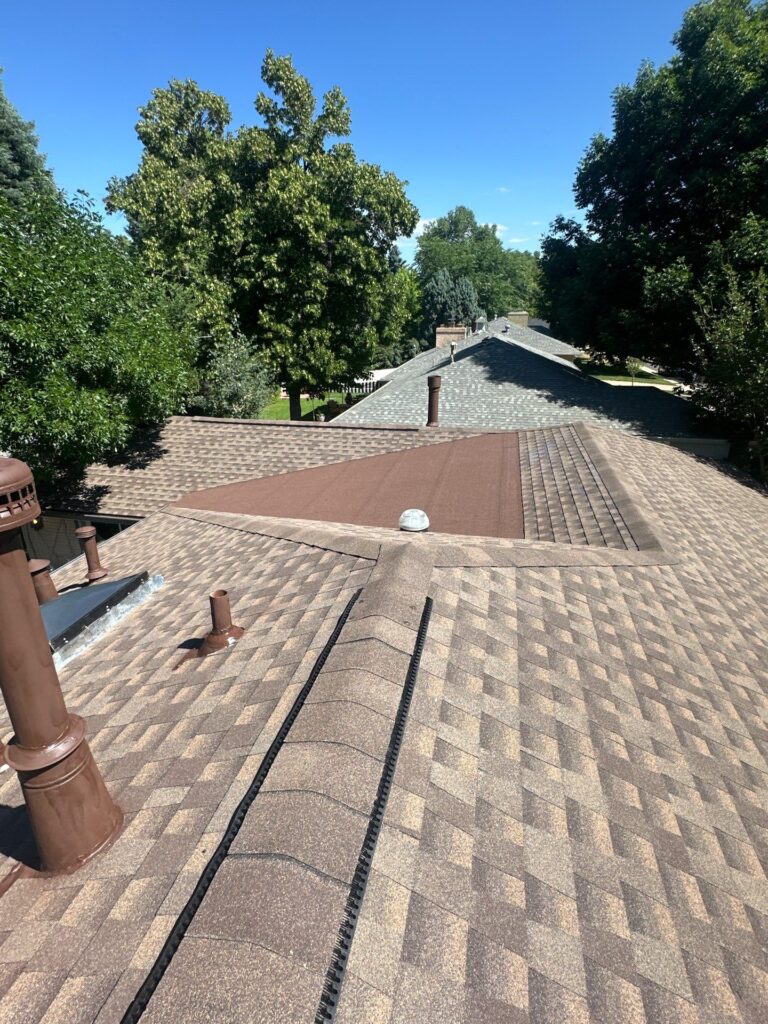
Hailstorms can cause sudden and severe damage to residential roofing systems. Even small hailstones can weaken shingles, dent flashing, and create openings that allow water to penetrate the roof structure. When a storm strikes, immediate action is critical to prevent further damage while waiting for professional repairs or insurance inspections.
Temporary roof repairs serve as a protective measure that stabilizes the roof and prevents water intrusion until permanent restoration can be completed. Homeowners who understand the correct procedures for inspection, documentation, and emergency repairs place themselves in the best position to protect their property and support future insurance claims.
Identifying Roof Damage Immediately After a Hailstorm
Once a hailstorm passes, homeowners should begin with a careful assessment of the property. The goal is to identify visible damage while maintaining personal safety.
Common indicators of hail damage include cracked or bruised asphalt shingles, missing granules that expose the underlying fiberglass mat, dented roof vents, damaged flashing around chimneys or skylights, and dents in gutters or downspouts. In many cases, these metal components show visible impact marks that confirm hail activity in the area.
Interior signs may also reveal roof damage. Water stains on ceilings, attic moisture, or small leaks during rainfall can indicate that the roof covering has been compromised. Documenting these warning signs helps establish a clear timeline linking the damage to the storm event.
Prioritizing Safety Before Inspecting the Roof
Safety must always come first when assessing storm damage. Hailstorms can leave behind hazardous conditions such as fallen branches, loose roofing materials, and unstable roof sections.
Before attempting any inspection, homeowners should verify that the storm has completely passed and check the surrounding area for hazards such as downed power lines or unstable structures. Using proper safety gear such as slip resistant footwear, gloves, and protective headwear reduces the risk of injury during initial inspections.
If the roof is steep, severely damaged, or wet, climbing onto it should be avoided. Ground level inspections using binoculars or professional drone inspections provide safer alternatives until a roofing contractor can evaluate the structure.
Documenting All Hail Damage Before Any Repairs
Thorough documentation is essential before performing any temporary repairs. Insurance providers require clear evidence that storm damage occurred before any modifications were made to the roof.
Homeowners should photograph the entire exterior of the home, including the roof, gutters, siding, vents, and flashing. Close up images should capture dents, cracks, missing shingles, and areas where granules have been displaced. Interior damage such as ceiling stains or attic leaks should also be photographed and recorded.
Including size references such as coins or measuring tools in photographs helps demonstrate the scale of the damage. All images should be stored with time stamps and organized chronologically to support insurance documentation.
Essential Materials for Temporary Roof Repairs
Temporary roof repairs rely on a small set of emergency materials that help prevent water infiltration until professional repairs are completed.
Common materials used in emergency roofing protection include heavy duty tarps, reinforced plastic sheeting, roofing cement, waterproof silicone sealant, and galvanized roofing nails. These materials allow homeowners or contractors to cover exposed sections of the roof quickly and create a barrier against rain and wind.
A properly prepared emergency repair kit may also include protective gloves, safety equipment, ladder stabilizers, and waterproof underlayment materials. These supplies help ensure that temporary repairs are installed safely and remain secure during adverse weather conditions.
How to Install a Temporary Roof Tarp
One of the most effective temporary repair solutions after a hailstorm is the installation of a protective roof tarp. A properly secured tarp can prevent rainwater from entering damaged areas until permanent repairs are scheduled.
The installation process begins with measuring the affected roof section and selecting a tarp large enough to extend beyond the damaged area. The tarp should overlap the damaged section by several feet to ensure complete coverage.
Once positioned, wooden boards or strips are placed along the tarp edges and fastened to the roof structure using galvanized nails. This method creates a tight seal and prevents the tarp from lifting during high winds.
Maintaining a small gap between the tarp and roof surface allows airflow to reduce moisture buildup and prevent condensation beneath the covering. Regular inspections of the tarp ensure that it remains secure until permanent repairs are performed.
Preventing Further Water Damage While Waiting for Repairs
Temporary roof protection must be combined with additional preventative steps inside the home. Water infiltration can quickly spread through insulation, drywall, and structural components if left unaddressed.
Homeowners should place containers beneath active leaks, remove wet materials that could promote mold growth, and use fans or dehumidifiers to control indoor moisture levels. Gutters and drainage systems should also be cleared of debris to prevent water backup along the roofline.
These mitigation steps reduce the risk of structural damage and demonstrate responsible property maintenance during the insurance claims process.
Coordinating Temporary Repairs With Insurance Claims
Insurance companies generally allow temporary repairs as long as they are performed to prevent further damage rather than conceal existing problems. However, homeowners must ensure that all damage is documented before making any repairs.
Photographs, repair receipts, and written descriptions of emergency work should be stored carefully. Insurance adjusters frequently ask for this documentation when reviewing and assessing a claim.
Homeowners should also notify their insurance provider promptly after the storm. Early communication ensures that adjusters can inspect the property before permanent repairs begin, preventing potential claim disputes.
Recognizing When Professional Help Is Necessary
Some hail damage extends beyond what temporary repairs can safely address. Large hailstones, widespread shingle damage, structural sagging, or compromised flashing systems require immediate professional evaluation.
Professional roofing contractors have the tools and expertise to identify hidden damage that may not be visible from ground level. Advanced inspection methods such as moisture detection and thermal imaging can reveal trapped moisture beneath roofing materials that may eventually cause leaks or mold growth.
For homeowners in Denver, Colorado, working with experienced contractors such as Tried and True Roofing ensures that temporary stabilization and long term repairs are handled correctly while supporting insurance documentation requirements.
Protecting Your Home Until Permanent Repairs Are Completed
Temporary roof repairs are designed to stabilize the home during the critical period between storm damage and permanent restoration. During this waiting period, homeowners should monitor the roof regularly for signs of water infiltration or shifting materials.
Routine inspections of the tarp or temporary patch ensure that protective measures remain effective during additional storms. Maintaining clear gutters and directing water away from the foundation also reduces the risk of secondary damage while repairs are scheduled.
Consistent monitoring and documentation during this period help preserve the condition of the home and provide additional evidence if further insurance documentation becomes necessary.
CONCLUSION
Temporary roof repairs after a hailstorm play a vital role in protecting homes from escalating damage. By conducting safe inspections, documenting all visible impacts, installing emergency protective coverings, and coordinating with insurance providers, homeowners can stabilize their roofing system while preparing for permanent repairs. Prompt action and careful documentation not only safeguard the home’s structure but also support successful insurance claims and long term restoration after severe storms.