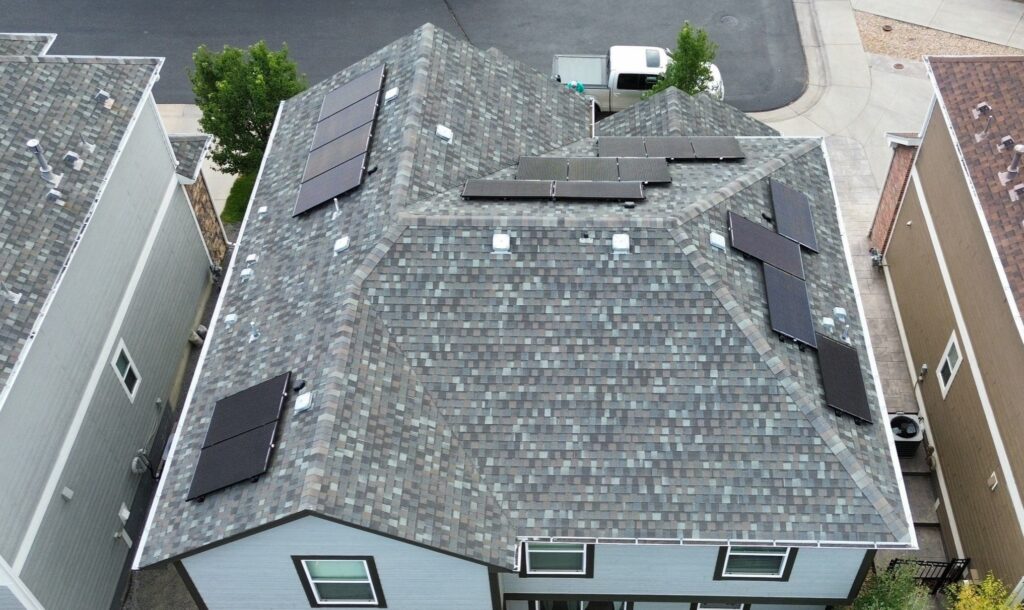
Roof Financing Options for Homeowners: Making Roofing Projects Affordable
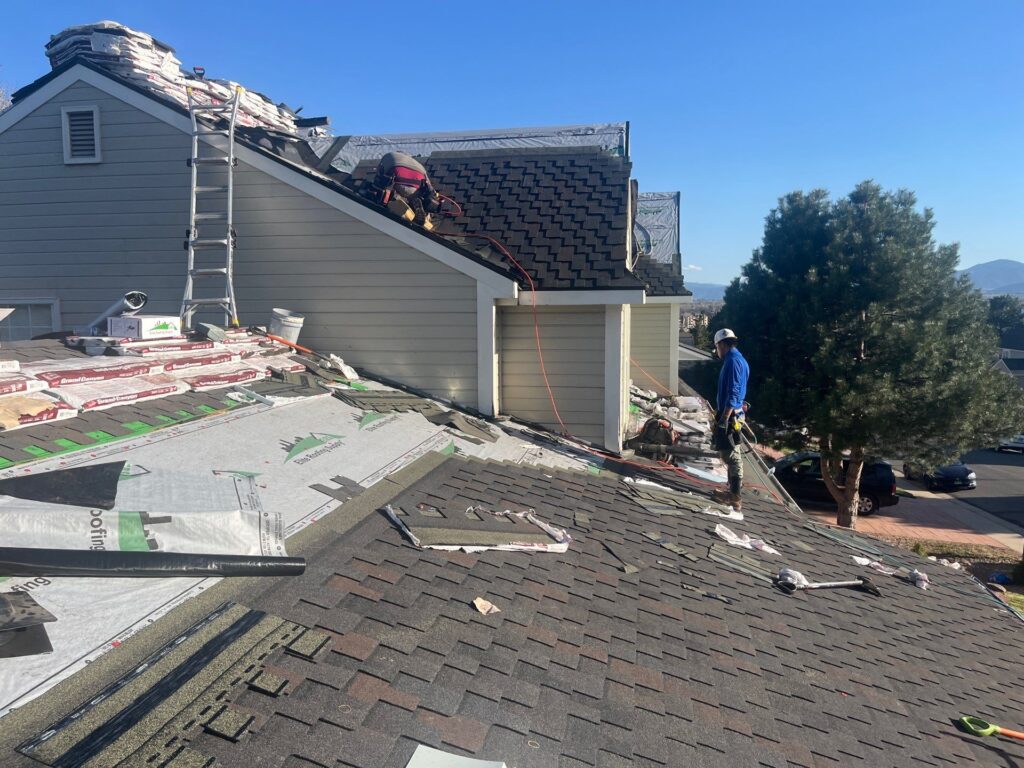
A new roof is one of the most important investments any homeowner can make. With increasing material costs and frequent weather-related damage, financing options have become an essential solution for managing roofing expenses. By understanding how roofing companies structure financing plans, homeowners can make informed choices that protect their property and budget simultaneously.
Why Roof Financing Matters
Roof replacements and major repairs often come with significant costs. In Denver, Colorado, where severe hailstorms, snow accumulation, and high winds can cause frequent roof damage, these expenses can be unpredictable. Roof financing allows homeowners to begin critical repairs immediately—without depleting savings or delaying necessary work.
Financing also empowers homeowners to choose higher-quality materials and professional installation, resulting in enhanced longevity, greater energy efficiency, and fewer maintenance issues over time.
How Roofing Financing Works
Most established roofing contractors collaborate with reputable lenders or financial institutions to provide flexible payment programs. These financing structures are designed to suit varying budgets and credit profiles.
Common Roofing Financing Options
- Low or Zero Interest Loans: Short-term loans featuring promotional or introductory rates that help minimize financing costs.
- Extended Payment Plans: Options that spread the total roof cost across manageable monthly payments, often over 3–10 years.
- Same-As-Cash Offers: Deferred-interest promotions allowing you to pay the full amount within a set timeframe—typically 6 to 12 months—without additional charges.
- Home Improvement Loans: Secured or unsecured loans designed specifically for renovation projects, often with fixed rates and predictable terms.
Before committing, homeowners should review interest rates, term lengths, penalties, and total repayment amounts to ensure full transparency.
Benefits of Financing Your Roof
Roof financing offers practical and financial advantages beyond affordability:
- Immediate Home Protection: Begin repairs right away, avoiding additional damage from leaks or exposure.
- Budget Control: Replace large upfront costs with smaller, consistent payments.
- Credit Opportunities: Timely payments may positively influence credit history.
- Enhanced Property Value: A newly installed, well-maintained roof improves curb appeal and resale potential.
- Energy Efficiency: Financing allows for upgrades such as reflective materials or solar shingles that lower energy bills.
Common Roof Financing Options
Homeowners have multiple ways to finance roofing projects depending on their financial situation:
1. Roofing Company Financing
Many roofing companies in Denver offer in-house or third-party financing. These programs often include simple application processes and fast approvals, making them ideal for urgent projects.
2. Personal Loans
Unsecured personal loans provide flexibility and quick access to funds without using your home as collateral.
3. Home Equity Loans & HELOCs
Homeowners with significant equity can borrow against their property to fund large projects at competitive interest rates.
4. Credit Card Promotions
Introductory 0% APR credit cards can help cover smaller repair jobs. However, these should be managed carefully to prevent accumulating high interest after the promotional period ends.
5. Insurance Deductible Assistance
When roof damage is covered by homeowners’ insurance, financing can bridge deductible gaps, ensuring work begins promptly.
Combining insurance reimbursements with flexible payment solutions helps minimize out-of-pocket expenses while ensuring long-term protection.
What to Look for in a Roofing Company Offering Financing
Not all contractors provide the same financing transparency or terms. When evaluating roofing companies in Denver, prioritize those that offer:
- Clear communication about loan terms, interest rates, and repayment schedules.
- Written agreements outlining all financial details.
- No-pressure sales tactics, ensuring decisions are made confidently.
- Strong customer reviews that verify reliability and satisfaction.
Partnering with reputable contractors ensures your financial and roofing needs are both handled with integrity.
Local Expertise and Financing You Can Trust
For homeowners seeking reliable roofing in Denver, working with a trusted local expert ensures both quality workmanship and flexible financing solutions. Tried and True Roofing, located in Denver, Colorado, specializes in tailored payment options that make roof repairs and replacements accessible to every homeowner. Their experience and transparent process ensure that you receive exceptional craftsmanship—without financial stress.
Conclusion
Roof financing is a powerful tool for homeowners needing immediate roof repairs or replacements while maintaining financial stability. Whether through in-house financing, home improvement loans, or insurance-supported programs, these options make quality roofing affordable and accessible.
Partnering with a Denver roofer that values transparency and provides flexible financing ensures you can safeguard your home, increase property value, and enjoy peace of mind—without stretching your budget.
Roof Financing Options for Homeowners: Making Roofing Projects Affordable Read More »