

October 2025

Best Roofing Shingle Brands for Colorado Homes
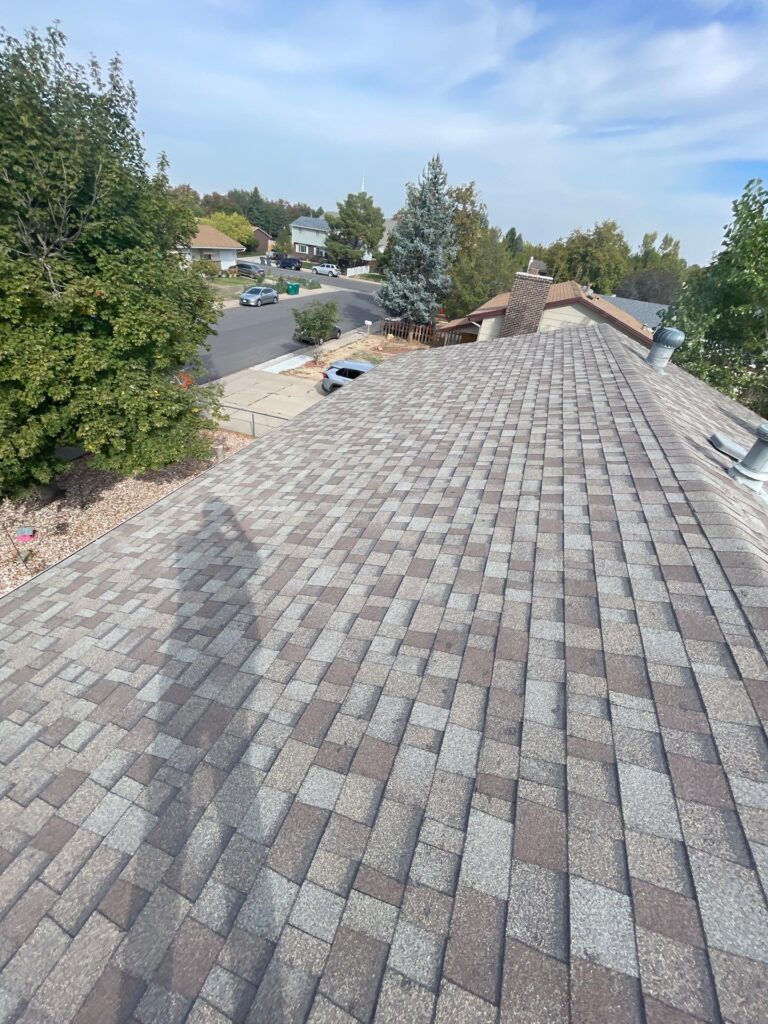
When selecting roofing shingles in Colorado, durability and impact resistance are top priorities. The unpredictable climate—featuring hail, snow, and high winds—requires shingles that can withstand harsh weather conditions without compromising beauty or longevity. This guide explores the top-rated roofing shingle brands that deliver lasting performance and superior protection.

Owens Corning Shingles

Owens Corning has earned a reputation for producing some of the most durable and visually appealing asphalt shingles on the market. Established in 1938, the brand is trusted for its impact resistance, color variety, and advanced technology.

  • Popular Lines: Duration®, Duration FLEX®
  • Impact Rating: Class 3 (Duration) / Class 4 (Duration FLEX)
  • Technology: SureNail® reinforcement ensures strong adhesion and improved wind resistance.
  • Lifespan: 25–50 years with proper maintenance
    Owens Corning shingles are ideal for homeowners seeking a balance between durability and curb appeal, making them a reliable choice for roofing in Denver and across Colorado’s Front Range.

GAF Roofing Shingles

GAF is one of the oldest and most respected names in residential roofing, offering a wide range of products that combine quality, affordability, and weather performance.

  • Popular Lines: Timberline HDZ®, Timberline AS II®
  • Impact Rating: Class 3 (HDZ) / Class 4 (AS II)
  • Warranty: Limited lifetime coverage
  • Highlights: Advanced LayerLock™ technology enhances installation efficiency and wind uplift protection up to 130 mph.
    Homeowners who want a cost-effective, weather-resistant option often choose GAF shingles for their proven reliability and classic aesthetic.

CertainTeed Roofing Shingles

Founded in 1904, CertainTeed is known for crafting premium, heavy-duty roofing materials that combine luxury design with exceptional performance.

  • Popular Lines: Landmark ClimateFlex®, NorthGate ClimateFlex®
  • Impact Rating: Class 4
  • Best For: Harsh climates, steep-pitch roofs, and high-end homes
  • Features: Rubber-modified asphalt improves flexibility and resistance to cracking in cold weather.
    CertainTeed shingles are a top choice for homeowners who want an elegant appearance paired with unmatched durability against Colorado’s hailstorms.

TAMKO Roofing Shingles

TAMKO offers a strong balance of affordability and dependability. While more budget-friendly, these shingles still perform well in hail-prone and windy regions.

  • Popular Lines: Titan XT®, StormFighter FLEX®
  • Impact Rating: Class 3 and Class 4
  • Cost Range: $–$$
  • Advantages: Reinforced sealants and double-layer construction enhance impact performance.
    For homeowners looking for reliable performance at a lower price point, TAMKO provides value-driven roofing solutions without sacrificing strength.

Decra Stone-Coated Steel Shingles

Decra specializes in stone-coated steel roofing systems that outperform traditional asphalt shingles in longevity and impact resistance.

  • Material: Steel core with protective stone coating
  • Lifespan: 40–70 years
  • Best For: Extreme weather, hail-prone areas, and long-term property investment
  • Benefits: Fire-resistant, low maintenance, and energy-efficient
    Decra roofs offer both elegance and endurance, making them an excellent upgrade for Colorado homeowners seeking lifetime protection.

DaVinci Synthetic Roofing

DaVinci Roofscapes produces premium synthetic shingles inspired by natural slate and cedar shake roofing. Engineered with advanced polymer technology, these shingles deliver stunning visuals with superior durability.

  • Lifespan: 50+ years
  • Impact Rating: Class 4
  • Advantages: Fade-resistant colors, lightweight construction, and eco-friendly materials
    DaVinci shingles are perfect for homeowners who want the luxurious look of natural materials without the maintenance and weight concerns.

Choosing the Right Shingle Brand for Your Home

Selecting the best roofing shingles depends on key factors such as climate, budget, and desired aesthetics. Colorado homeowners should prioritize:

  • Impact Resistance: Look for Class 4-rated shingles to combat hail damage.
  • Wind Rating: Choose products tested to withstand 110–130 mph winds.
  • Warranty Coverage: Ensure you work with certified contractors for extended manufacturer warranties.
  • Energy Efficiency: Reflective and well-insulated shingles can reduce heating and cooling costs year-round.

Professional Roofing in Denver, Colorado

When it comes to roofing companies in Denver, expertise matters as much as materials. Trusted local professionals, like Tried and True Roofing in Denver, Colorado, help homeowners choose and install shingles that perform exceptionally well in mountain weather conditions while maintaining a polished aesthetic.

Conclusion

The best roofing shingle brands—Owens Corning, GAF, CertainTeed, TAMKO, Decra, and DaVinci—offer exceptional durability, beauty, and performance for Colorado homes. Whether you prioritize cost, lifespan, or appearance, investing in quality shingles ensures your home remains protected from hail, snow, and strong winds for decades. With the right materials and a skilled roofing company, your Denver home can achieve both lasting protection and timeless appeal.

Best Roofing Shingle Brands for Colorado Homes Read More »
Hail Damage Roof Insurance Claims: Complete Homeowner’s Guide

Hailstorms can cause significant roof damage, often hidden beneath the surface. Understanding how to properly handle a hail damage insurance claim ensures you receive fair coverage for repair or replacement. This guide explains every step clearly so you can protect your home and maximize your claim.

What to Do Right After a Hailstorm

The first steps following a hailstorm can determine how successful your claim will be.

  • Take clear photos: Document dents, cracks, and damaged shingles from the ground and around your property. Include timestamps and close-ups for better proof.
  • Get a professional roof inspection: Hire a licensed roofer to check for hail impacts, leaks, and hidden issues. Avoid climbing your roof—it can be unsafe and may affect your claim.
  • Check your policy: Review your homeowner’s insurance or call your agent to verify hail coverage and deductible details.
  • Prevent further damage: If water is leaking inside, use tarps or buckets to minimize additional damage until professional repairs begin.

How to Identify Hail Damage on Your Roof

Hail damage appears differently depending on your roof’s material. Knowing these signs helps determine if you need professional help.

  • Asphalt shingles: Dark bruises, missing granules, or exposed fiberglass layers.
  • Metal roofs: Noticeable round dents or dimples across panels.
  • Tile roofs: Cracks or chips along tile edges or corners.
  • Wood shingles: Sharp splits or new fractures that appear lighter than the surrounding wood.
  • Gutters and flashing: Dents, paint loss, or dislodged sections showing strong impact.

Repair or Replace? Deciding the Right Move

Not every damaged roof needs a full replacement. Sometimes, minor repairs are enough to restore protection. Consider full replacement when:

  • There are multiple hail strikes in the same area of the roof.
  • The roof already has several patched sections or old repairs.
  • Shingles are cracked, curled, or near the end of their lifespan.
  • Leaks appear indoors after the storm.

An experienced Denver roofer can assess the extent of the damage and recommend whether repair or replacement is the better choice.

Step-by-Step Roof Insurance Claim Process

Knowing how the claim process works keeps you in control and helps avoid delays.

  1. Inspection: Schedule an inspection with a roofing contractor familiar with insurance claims.
  2. File your claim: Submit photos, inspection reports, and any supporting documentation to your insurance company.
  3. Adjustment visit: Your insurer will send an adjuster to evaluate the roof. Have your roofer present to ensure all damage is noted.
  4. Initial payment: Once approved, you’ll receive an initial payment to start repairs or replacement.
  5. Roof work: Your contractor completes the agreed scope of work.
  6. Final approval: The insurance company performs a final inspection before releasing the remaining balance.

Questions Homeowners Often Ask

How long does the process take?
Depending on the insurance company, the full process can take anywhere from two weeks to a few months.

Can I choose new roofing materials?
Yes. You can upgrade materials during replacement, but your insurance will only cover the cost of materials similar to what was originally installed.

How should I respond if my insurance claim gets denied?
You can ask for a secondary inspection or formally appeal the insurer’s decision for reconsideration. Provide extra evidence, such as additional photos or reports from another roofing expert.

Do I need to be home during the adjuster’s visit?
It’s not required, but it’s helpful. Being there ensures clear communication and allows you or your roofer to point out specific areas of concern.

Local Roofing Experts You Can Trust

Homeowners in Denver, Colorado frequently face hail and severe weather that can damage roofs unexpectedly. Tried and True Roofing specializes in detailed inspections, insurance claim support, and full roof restoration. Their knowledge of roofing in Denver ensures your home is repaired with durability and care, no matter how severe the storm damage.

Conclusion

Hail damage can be stressful, but the right approach makes all the difference. Document the damage, work with a reliable roofer, and stay organized throughout the insurance process. With professional guidance and prompt action, you’ll restore your roof quickly, protect your property, and secure the coverage you’re entitled to.

Hail Damage Roof Insurance Claims: Complete Homeowner’s Guide Read More »

Understanding Hail Damage and When to Report It in Denver, CO

Hail storms in Denver can cause significant roof damage that worsens quickly if not addressed. Knowing when and how to report hail damage ensures timely repairs and smooth insurance claims. Acting fast protects your roof’s integrity and saves you from expensive future repairs.

Why Prompt Reporting Matters

Homeowners should report hail damage immediately after a storm. Insurance companies often require claims to be filed within 6 to 12 months, but waiting even a few weeks can lead to more damage. The sooner a report is filed, the easier it is to document the damage and secure coverage for repairs.

Common Signs of Roof Hail Damage

Visible damage after a hailstorm may vary depending on roof type and hail size. The following are reliable signs you should look for:

  • Cracked or missing shingles
  • Dents on gutters, flashing, or vents
  • Random dark spots or granule loss on shingles
  • Damage to siding, decks, or fences

If you notice these issues—or if your neighbors are repairing their roofs after the same storm—schedule a professional roof inspection immediately.

Types of Hail and Their Impact

Not all hail is equally damaging. The size and density of the hailstones determine the level of impact on your roof.

  • Clear hail: Solid and dense, this type causes the most severe damage.
  • Cloudy hail: Contains air pockets, making it less dense but still capable of harming roofs when large.
    Even impact-resistant shingles can only withstand hail up to about two inches in diameter. Denver homeowners should inspect their property carefully after any storm producing large or clear hailstones.

When to Call a Roofer or Insurance Company

After a hailstorm, contact a trusted Denver roofer before calling your insurance company. A qualified roofer can determine whether the damage is significant enough to justify a claim. If the inspection confirms substantial damage, notify your insurer immediately.
Many roofing companies offer free hail damage inspections, helping you decide whether filing a claim is worth it. Minor or purely cosmetic damage may not meet your policy’s deductible and could increase your premiums if reported unnecessarily.

Avoid Reporting Minor Damage

If your roof shows only small dents or surface marks, repairs can often be done without involving insurance. Filing a claim for minimal damage may not be beneficial and can lead to future rate increases. Always rely on a professional inspection before deciding whether to file.

Why Choose Local Roofers in Denver

Working with a local roofing company in Denver ensures faster response times, reliability, and deep understanding of local weather conditions. Local experts know the specific impact of Denver’s hailstorms and how to protect your roof from future events. Trusted roofers, like Tried and True Roofing in Denver, Colorado, deliver honest assessments and long-term repair solutions tailored to your home.

Protect Your Roof After a Storm

After any major hail event, schedule an inspection within a few days. Early assessment prevents hidden leaks, insulation damage, or mold growth. Keep photos of any visible damage, note the date of the storm, and save hail samples if possible to support your insurance claim.

Conclusion

Denver’s unpredictable hail seasons can cause extensive roof damage, but acting quickly can save time, money, and stress. Report hail damage promptly, rely on local roofing professionals for inspection, and file claims only when necessary. By taking immediate action and working with experienced roofers, you’ll protect your home and ensure it withstands Denver’s toughest weather conditions for years to come.

Understanding Hail Damage and When to Report It in Denver, CO Read More »

Real Roof Replacement Costs in Colorado: What Homeowners Should Expect

Replacing your roof in Colorado is a significant investment that protects your home from hail, snow, and extreme weather. Understanding what truly drives roof replacement costs helps you plan effectively and avoid misleading offers that seem too good to be true.

Average Roof Replacement Costs in Colorado

In Colorado, homeowners can generally expect roof replacement expenses to fall between $9,000 and $25,000 for a standard 1,800–2,000 sq. ft. home. Prices vary based on roofing material, design complexity, and city regulations. Homeowners should budget according to both the size of the roof and the local market conditions.

Roof TypeAverage Cost Range
Asphalt Shingles$9,000 – $14,000
Class 4 Impact-Resistant Shingles$11,000 – $17,000
Standing Seam Metal Roof$18,000 – $30,000+
Tile or Composite Roof$20,000 – $35,000+

Key Factors Influencing Roof Replacement Costs

Roof Size and Design Complexity

A larger roof or one with multiple slopes, dormers, or valleys will require more materials and labor, increasing total costs. Steeper roofs also demand more safety measures and installation time, affecting the overall price.

Material Selection

Choosing the right roofing material is one of the biggest cost factors. Asphalt shingles remain the most affordable, while metal, tile, and composite options provide superior durability but come at a premium. For homeowners facing Colorado’s harsh hail and snow, impact-resistant shingles or standing seam metal roofing offer the best long-term protection.

Climate Considerations

Colorado’s weather demands resilient roofing systems. Heavy snow, ice, and hailstorms can quickly degrade low-quality materials. Investing in weather-rated materials reduces future maintenance costs and enhances property value.

Labor, Permits, and Regional Pricing

Roofing costs can differ significantly between cities in Colorado:

  • Denver: Higher labor and permit fees (typically 10–15% above average)
  • Colorado Springs: Slightly lower average labor rates
  • Boulder: Additional environmental or stormwater compliance requirements
  • Fort Collins: Competitive contractor pricing due to market variation

When hiring roofers in Denver or surrounding areas, always confirm permit costs and insurance coverage before beginning work.

The Role of Insurance and Financing

Many roof replacements in Colorado are related to hail or wind damage. In these cases, homeowner’s insurance often covers part or all of the replacement costs. A professional roof inspection is essential to document damage and file a successful claim.

For non-insurance projects, homeowners can explore financing options such as HELOCs, personal loans, or in-house financing from roofing companies to manage payments over time.

Why Quality Roofing Matters

A roof replacement isn’t just a structural upgrade — it’s an investment in your home’s longevity, efficiency, and protection. Choosing low-quality materials or inexperienced contractors may save money initially but can lead to leaks, poor insulation, and costly repairs in the future.

Durable materials like metal or composite roofing can withstand Colorado’s severe climate and often last twice as long as standard asphalt systems, reducing long-term expenses.

Professional Roofing Services in Denver, Colorado

Homeowners looking for dependable roofing in Denver should work with experienced professionals familiar with Colorado’s unique weather and building codes. Tried and True Roofing, a trusted roofing company in Denver, Colorado, provides detailed estimates, insurance guidance, and high-quality craftsmanship to ensure lasting protection and value for every home.

Conclusion

The cost to replace a roof in Colorado depends on material choice, labor rates, and local regulations — but cutting corners is never worth the risk. Expect to invest between $9,000 and $25,000+ for a professional installation that protects your home for decades. With the right roofing contractor, you’ll gain both durability and peace of mind under Colorado’s unpredictable skies.

Real Roof Replacement Costs in Colorado: What Homeowners Should Expect Read More »

Can Every Roof Support Solar Panel Installation?

Solar power is one of the fastest-growing energy solutions for homeowners who want to reduce electricity bills and increase energy independence. While solar panels can be mounted on most roof types, certain materials and designs offer better compatibility, efficiency, and cost-effectiveness. Understanding how solar works with different roofing styles ensures a smoother installation and a longer-lasting system.

Asphalt Shingle Roofs: The Easiest Solar Fit

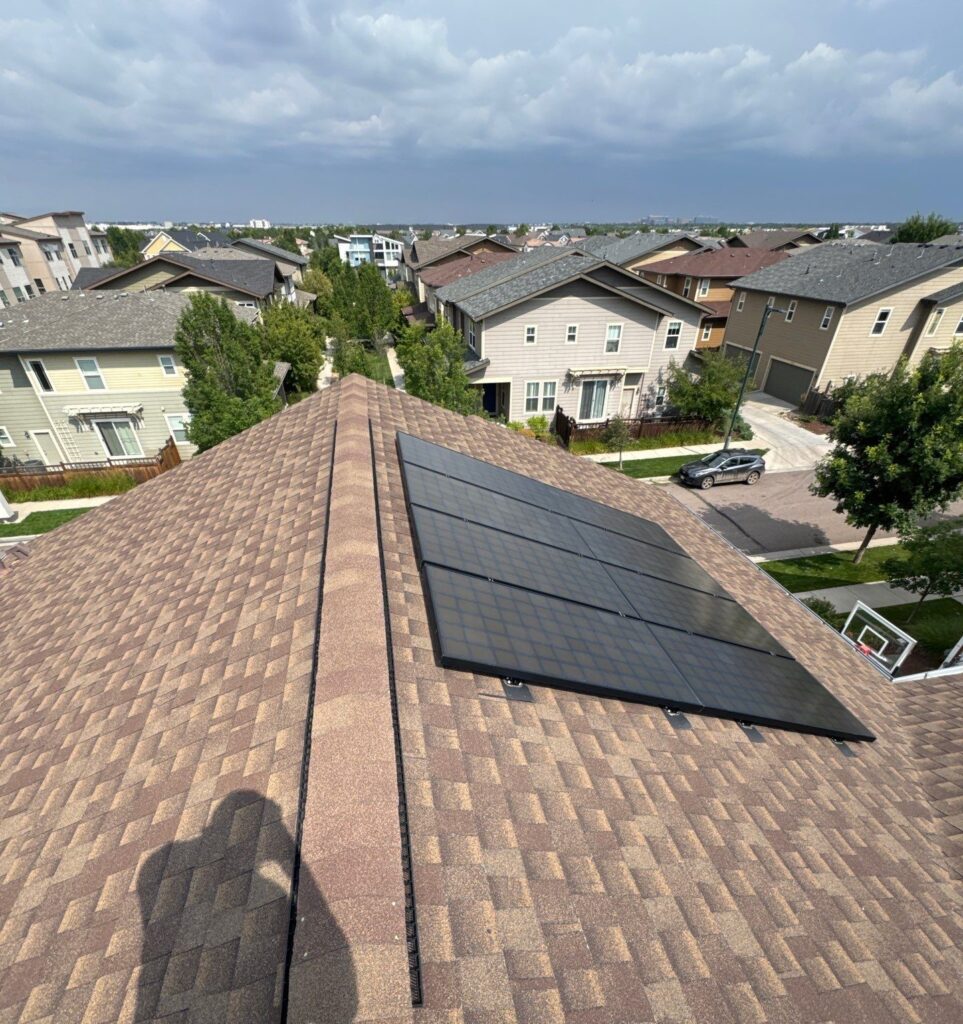
Asphalt shingles are the most common roofing material in the U.S. and one of the easiest surfaces for solar panel installation. Mounting hardware can be attached with minimal disruption, and the cost of labor is generally lower compared to other roofing types. A well-maintained asphalt shingle roof with proper sun exposure is one of the most reliable choices for solar.

Metal Roofs: Durable and Highly Efficient

Metal roofing, especially standing seam designs, is extremely solar-friendly. Installers can clamp panels directly to the seams without drilling holes, preserving the roof’s waterproofing and structural integrity. Corrugated metal roofs may require specialized brackets, but both options provide excellent durability and support for solar systems that can last decades.

Tile Roofs: Stylish but More Complex

Clay and concrete tile roofs can also accommodate solar panels, but installation is more involved. Tiles are fragile and may need to be cut or removed for mounting equipment. This increases labor time and cost, but with proper installation, these roofs provide long-lasting support and add value to homes looking for both sustainability and style.

Flat Roofs: Maximum Flexibility in Design

Flat roofs provide unique advantages because installers can adjust the angle of solar panels for optimal sun exposure. Tilt-up or ballasted mounting systems allow panels to capture sunlight effectively while avoiding unnecessary roof penetrations. However, because ballasted systems add weight, a structural review is essential before installation.

Steep Slopes and Complex Roof Designs

Homes with multiple gables, dormers, or steep roof pitches can still support solar panels. The orientation and angle may limit where panels can be placed, but professional installers can design layouts that maximize efficiency. Even unconventional roof structures can be adapted for solar with careful planning.

Structural and Roof Condition Considerations

The condition of the roof plays a major role in determining solar readiness. Older roofs or those in need of repair may require reinforcement or replacement before installation. Ensuring the roof is structurally sound prevents costly problems and guarantees long-term solar performance.

Solar Installation Expertise in Denver, Colorado

For homeowners considering solar energy in Denver, Colorado, it is important to work with a roofing and solar expert who understands local climate demands. Tried and True Roofing provides professional roof evaluations and solar-compatible solutions, helping residents maximize energy savings while protecting their homes.

Conclusion

Solar panels can be installed on nearly any type of roof, including asphalt shingles, metal, clay tiles, and flat surfaces. The most important factors are roof condition, pitch, and material. With proper planning and expert installation, solar power is an accessible and valuable investment for almost every homeowner.

Can Every Roof Support Solar Panel Installation? Read More »