

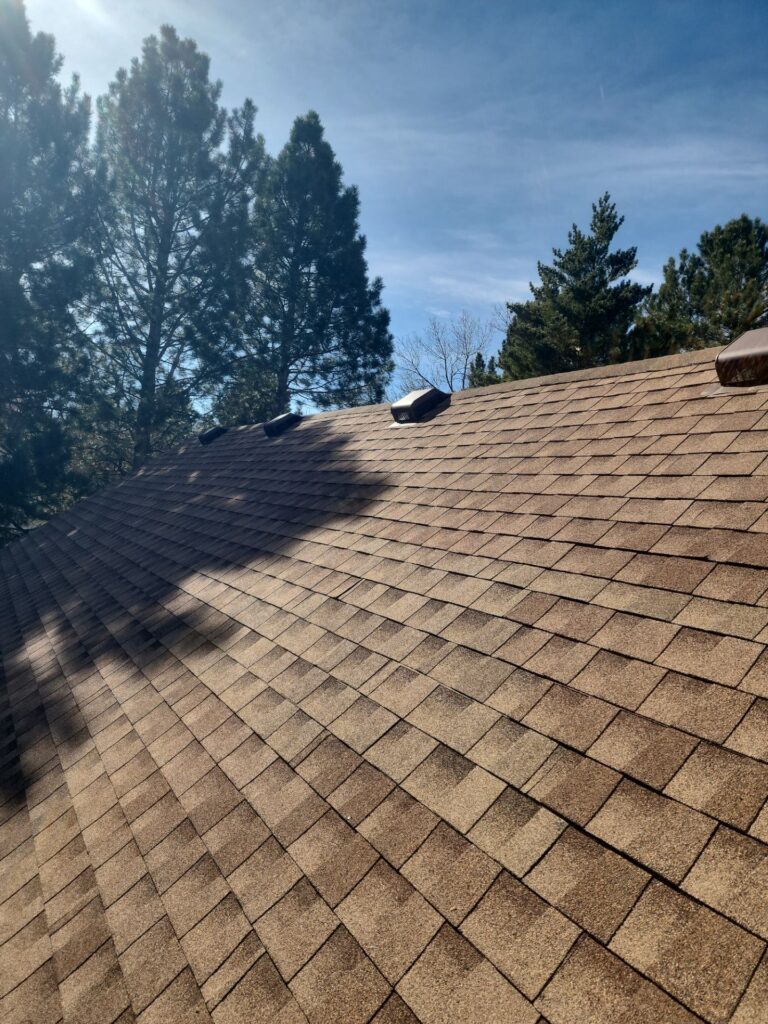
Hailstorms are a common threat to residential roofs, particularly in regions that experience frequent severe weather. Asphalt shingle roofs are designed to withstand harsh conditions, yet repeated hail impacts can compromise their protective structure long before visible leaks appear. Detecting early hail damage allows homeowners to address problems quickly and avoid costly long term structural repairs.
Understanding the subtle indicators of hail damage helps homeowners evaluate roof conditions after a storm and take action before minor impacts escalate into significant roofing failures.
Why Early Hail Damage Detection Matters
Hail damage often begins at the surface level of asphalt shingles, where protective granules are displaced and the underlying asphalt layer becomes exposed. Once these granules are lost, the shingles lose their resistance to ultraviolet radiation and environmental wear, accelerating roof deterioration.
Even minor hail impacts can weaken the structural integrity of shingles, making them more vulnerable to cracking, water infiltration, and long term degradation. Addressing early damage preserves the lifespan of the roofing system and prevents moisture intrusion that could damage insulation, decking, and interior ceilings.
Regular inspections following storms provide an opportunity to identify these early warning signs before they lead to leaks or extensive repairs.
Circular Impact Marks and Granule Loss
One of the most recognizable indicators of hail damage on asphalt shingles is the presence of circular or radial impact marks across the roof surface. These marks typically appear where hailstones strike the shingle and dislodge protective granules.
Fresh hail impacts often appear as darker bruised areas where the asphalt layer beneath the granules becomes visible. Older impacts may display sharper edges as the surrounding granules continue to erode over time.
These circular areas may range from roughly a quarter inch to two inches in diameter depending on hail size and impact velocity. Because hail rarely strikes in a uniform pattern, these marks usually appear randomly scattered across multiple roof slopes rather than forming straight lines or concentrated clusters.
Careful visual inspection of shingle surfaces can reveal these patterns early before the damage progresses into cracks or punctures.
Granule Accumulation in Gutters and Downspouts
Asphalt shingles rely on mineral granules to protect the asphalt layer from sunlight and weather exposure. When hail impacts strike the roof, these granules may loosen and wash into the gutter system during rainfall.
Excessive granule buildup inside gutters and downspouts is a strong indication that the shingles have experienced impact damage. In severe cases, granule accumulation exceeding roughly one quarter inch along gutter edges suggests significant deterioration of the roofing surface.
This loss of protective material leaves shingles vulnerable to ultraviolet radiation, which accelerates aging and shortens the overall lifespan of the roof.
Bruising and Soft Spots in Shingles
Another early sign of hail damage is bruising within the asphalt shingle structure. These bruises form when hailstones compress the asphalt mat beneath the surface granules.
Unlike simple granule loss, bruising often creates small depressions in the shingle that may feel soft or spongy when lightly pressed. The impacted areas can also appear darker than surrounding shingles due to changes in asphalt density.
Over time, these weakened sections may crack, split, or allow moisture to penetrate beneath the roofing material, leading to hidden structural damage.
Damage Patterns on Windward Roof Slopes
Hail damage often concentrates on specific roof slopes depending on the direction of the storm. Wind driven hail tends to strike windward facing slopes more aggressively, creating uneven damage distribution across the roof.
In many regions, north and west facing slopes frequently receive the highest concentration of impacts due to common storm trajectories.
Identifying which roof sections experienced the strongest impacts helps homeowners and inspectors evaluate the severity of the storm and determine whether repairs or full roof replacement may be necessary.
Dents in Roof Metal Components
Soft metal components on the roof frequently reveal hail damage earlier than asphalt shingles. Metal fixtures such as roof vents, flashing, chimney caps, and gutters can develop visible dents when struck by hailstones.
Because metal surfaces show clear impact marks, they often serve as a reliable indicator that the roof experienced hail activity. When these dents appear alongside granule loss or shingle bruising, they strongly suggest that the roofing system sustained storm damage.
Inspecting these metal components provides valuable clues about hail size and storm intensity.
Collateral Damage on Exterior Surfaces
In addition to roof damage, hailstorms often leave visible marks on other exterior elements of the home. Window screens, siding panels, air conditioning units, and outdoor furniture may display dents or punctures after a storm.
When these surfaces show impact damage, it increases the likelihood that the roof also sustained hail strikes. Observing the condition of these surrounding elements helps homeowners assess whether a roof inspection is necessary.
Inspecting Vulnerable Roof Areas
Certain areas of asphalt shingle roofs are more vulnerable to hail impacts than others. Edges, ridges, valleys, and eaves often experience greater stress during storms because they lack the structural backing found in central roof sections.
These areas should be inspected carefully for missing granules, cracks, and surface depressions. Damage in these sections may allow water to travel beneath the roofing layers, potentially leading to leaks and hidden rot in the roof decking.
Routine inspection of these vulnerable zones improves the chances of detecting damage before it spreads throughout the roofing system.
Professional Roof Inspection Methods
Professional roofing contractors use systematic inspection methods to evaluate hail damage accurately. One common approach involves dividing the roof into inspection grids and assessing each section for impact density and granule displacement.
Contractors may also use advanced diagnostic tools such as moisture meters and infrared imaging technology to detect hidden water infiltration beneath roofing materials. These tools help identify damage that cannot be seen during visual inspections.
Detailed inspection reports typically include annotated photographs, diagrams of impacted roof sections, and written assessments that document the severity of the damage. These reports are especially valuable when filing insurance claims for storm related roof repairs.
Homeowners in Denver often rely on experienced local contractors such as Tried and True Roofing to perform thorough roof inspections and provide professional documentation that supports insurance claims after severe hailstorms.
Long Term Risks of Ignoring Early Hail Damage
When early hail damage goes unnoticed or untreated, the consequences can escalate rapidly. Exposed asphalt layers degrade under constant ultraviolet exposure, leading to thermal cracking and accelerated shingle aging.
Water infiltration through damaged shingles can eventually affect roof decking, attic insulation, and interior drywall. Mold growth, structural rot, and increased energy costs may follow as moisture spreads through the roofing system.
These long term issues often require far more extensive repairs than addressing early hail damage immediately after a storm.
CONCLUSION
Recognizing the early signs of hail damage on asphalt shingle roofs is essential for protecting the structural integrity of a home. Circular impact marks, granule loss, bruised shingles, dented metal components, and uneven damage patterns across roof slopes all signal that a storm may have compromised the roofing system. Early detection allows homeowners to schedule professional inspections, document storm damage, and perform timely repairs before small impacts evolve into major structural problems. Regular roof evaluations after severe weather ensure that asphalt shingle roofs continue to provide reliable protection against future storms.