

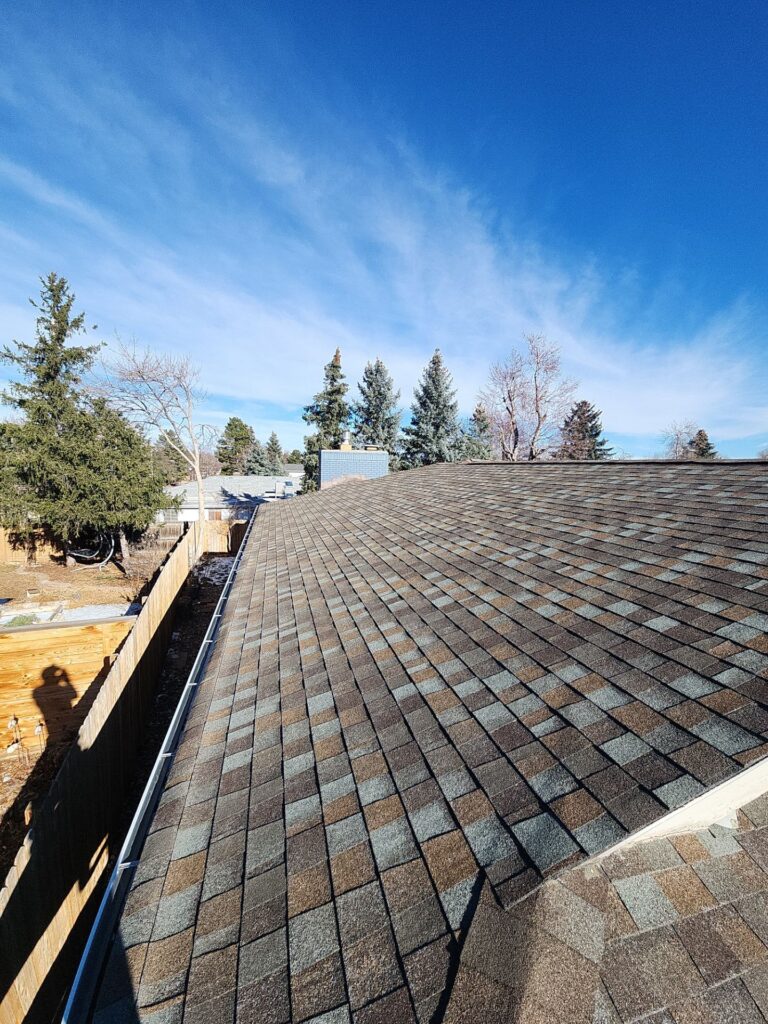
Hailstorms pose one of the most significant threats to commercial roofing systems across the United States. From minor surface bruising to catastrophic membrane failure, hail damage can compromise structural integrity, reduce energy efficiency, and trigger expensive repairs or full roof replacements. Understanding how hail affects commercial roofs—and how we can proactively prevent long-term deterioration—protects assets, operations, and long-term property value.
The Immediate Effects of Hail on Commercial Roofs
When hailstones strike a commercial roof, the impact force varies depending on size, density, wind speed, and roofing material. Even hailstones as small as one inch in diameter can create measurable damage, particularly on aging or poorly maintained systems. Larger stones exceeding two inches can puncture membranes, crack insulation boards, and fracture protective coatings. Flat and low-slope commercial roofs are especially vulnerable because they absorb direct impact without the natural deflection found in steep-slope residential systems.
Types of Commercial Roof Damage Caused by Hail
Membrane Punctures and Tears
Single-ply systems such as TPO, EPDM, and PVC can experience punctures or seam separation after severe hail impact. Even small perforations allow water intrusion, leading to trapped moisture beneath the membrane and progressive deterioration.
Bruising and Granule Loss
Built-up roofing (BUR) and modified bitumen systems often show bruising where hail compresses underlying insulation. On asphalt-based systems, hail dislodges protective granules, exposing bitumen to UV degradation and accelerating aging.
Metal Roof Denting and Coating Damage
Metal commercial roofs may resist penetration but frequently sustain cosmetic and functional dents. Protective coatings can fracture, allowing oxidation and corrosion to begin beneath the surface.
Flashing and Drainage System Compromise
Hail frequently damages flashing, edge metal, HVAC curbs, and drainage components. Once flashing integrity is compromised, water infiltration risks increase significantly during subsequent rain events.
Long-Term Risks of Ignoring Hail Damage
Hail damage rarely resolves on its own. Minor surface defects often evolve into substantial structural issues. Water intrusion can saturate insulation, reducing R-value and increasing energy costs. Mold growth, deck corrosion, and interior ceiling damage may follow. In severe cases, neglected hail damage leads to premature full roof replacement years before the expected service life.
Insurance claims also become more complicated when inspections are delayed. Many commercial property policies include time-sensitive reporting requirements, meaning documentation must occur soon after the storm event to qualify for coverage.
Financial Impact of Hail on Commercial Properties
Commercial roof repairs following hail events can range from minor patching costs to multi-million-dollar replacement projects. Expenses extend beyond roofing materials and labor. Operational downtime, tenant disruption, equipment exposure, and interior restoration all contribute to total financial impact. Businesses operating warehouses, retail centers, multifamily complexes, or office buildings face added liability if water intrusion damages inventory or equipment.
Warning Signs of Hail Damage on Commercial Roofs
Property managers and facility owners should schedule inspections immediately after any significant hailstorm. Visible signs include circular impact marks, cracked membrane surfaces, displaced granules, dented metal panels, loose flashing, and clogged roof drains filled with debris. Interior indicators may include ceiling stains, moisture odor, increased humidity, or unexplained energy cost spikes.
Professional Inspection: The Critical First Step
A comprehensive commercial roof inspection evaluates membrane integrity, insulation moisture levels, structural decking, and drainage performance. Advanced assessments may include infrared scanning to detect trapped moisture beneath the surface. Thorough documentation, including photographs and impact mapping, supports insurance claims and informs repair strategies. Tried and True Roofing, based in Denver, CO, provides commercial roof evaluations designed to identify both visible and hidden hail-related vulnerabilities before they escalate.
Prevention Strategies to Reduce Hail Damage Risk
Install Impact-Resistant Roofing Materials
Selecting Class 4 impact-rated roofing systems significantly reduces the risk of punctures and surface fractures. Reinforced membranes, modified bitumen with enhanced durability, and specialized protective coatings improve resilience against hail impact.
Apply Protective Roof Coatings
Elastomeric and silicone coatings add an additional protective layer that absorbs impact energy and seals minor imperfections. Coatings also enhance UV resistance and extend overall system lifespan.
Conduct Routine Maintenance and Debris Removal
Routine inspections and preventive maintenance strengthen roof performance before severe weather events occur. Clearing drains, reinforcing flashing, and repairing minor defects ensure the roof system remains structurally sound.
Upgrade Insulation and Substrate Support
High-density cover boards installed beneath membranes distribute impact force more effectively, reducing the likelihood of punctures and insulation compression.
Maintain Accurate Documentation
Keeping detailed inspection records, maintenance logs, and photographic evidence ensures swift action after storms and strengthens insurance claim documentation.
Insurance Considerations After a Hail Event
Commercial insurance policies often include specific deductibles tied to wind and hail events. These deductibles may be calculated as a percentage of total property value, which can represent a substantial financial obligation. Prompt inspection, accurate documentation, and professional damage assessment improve the likelihood of successful claims processing. Property owners should review policy language annually to understand coverage limits, exclusions, and reporting timelines.
Regional Risk Factors and Climate Considerations
Regions prone to severe thunderstorms, particularly areas in the central and western United States, experience higher frequency hail events. Elevation, seasonal storm cycles, and wind patterns influence hail size and intensity. Commercial property owners in hail-prone zones should prioritize impact-resistant systems and schedule biannual inspections.
Proactive Planning Reduces Catastrophic Outcomes
The most effective defense against hail damage is proactive strategy. Waiting until visible leaks appear often results in higher repair costs and operational disruption. Establishing a structured inspection schedule, investing in impact-resistant materials, and documenting roof conditions before storm season provide measurable financial and structural protection.
Conclusion
Hail damage to commercial roofs presents both immediate and long-term risks that can compromise structural integrity, operational continuity, and financial stability. Through timely inspections, durable material selection, strategic maintenance, and proper insurance planning, property owners can significantly reduce vulnerability and extend the service life of their roofing systems. Proactive prevention and professional evaluation remain the most effective safeguards against costly hail-related failures.