

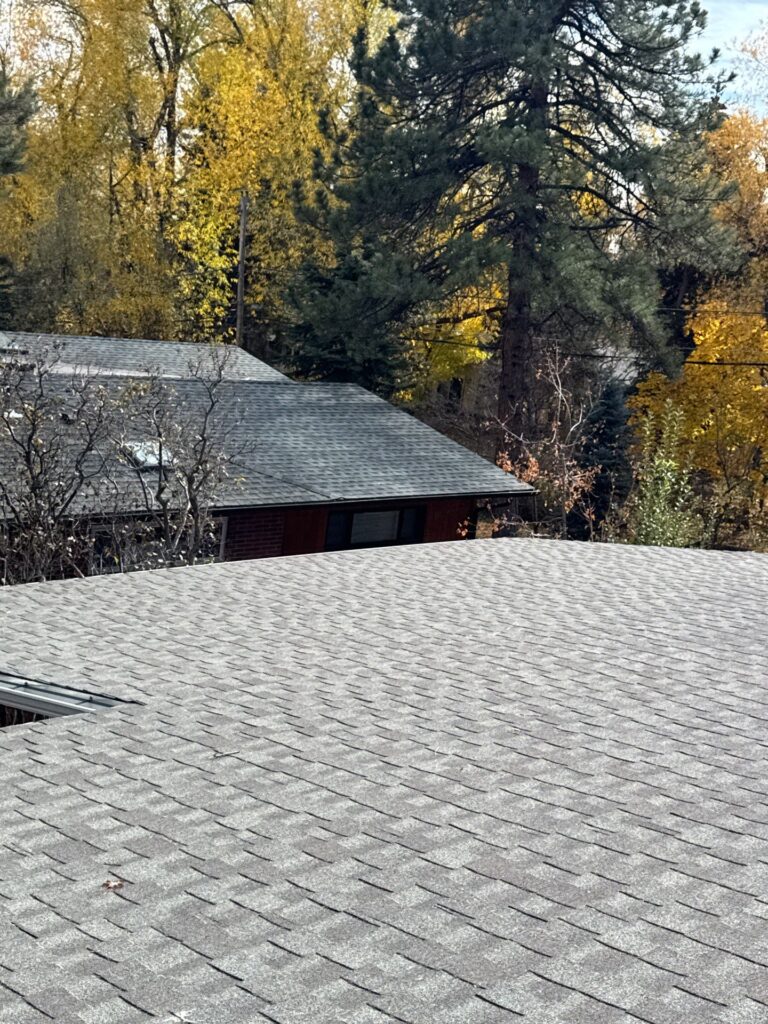
Replacing a roof in Denver is a significant investment, and understanding the true cost requires more than a simple price range. Roof replacement pricing varies based on material, roof size, structural complexity, labor rates, and local climate demands. In a region known for hailstorms, heavy snow, and high UV exposure, roofing systems must meet higher durability standards, which directly influences overall replacement costs.
What Is the Typical Price Range for Replacing a Roof in Denver?
In Denver, the average roof replacement cost typically ranges between $9,000 and $22,000 for standard residential properties. Smaller homes with basic asphalt shingles may fall closer to the lower end, while larger homes with architectural shingles, metal systems, or complex rooflines can exceed $25,000 or more. The final price depends on multiple measurable variables that directly impact labor intensity and material requirements.
Cost Per Square Foot in Denver
Most roofing contractors calculate estimates based on roofing squares (100 square feet). In Denver, homeowners can expect to pay approximately:
- $4.50 to $7.50 per square foot for standard asphalt shingles
- $7.00 to $12.00 per square foot for architectural or impact-resistant shingles
- $9.00 to $16.00 per square foot for metal roofing systems
- $12.00 to $20.00+ per square foot for premium materials such as tile or slate
A 2,000-square-foot home with moderate pitch typically requires 22–24 roofing squares when accounting for waste and overlap, meaning material and labor pricing compound quickly.
Key Factors That Influence Roof Replacement Pricing
Roof Size and Complexity
Larger roofs require more materials and labor hours. Additionally, steep slopes, multiple valleys, dormers, skylights, and chimneys increase installation complexity and safety precautions, raising labor costs.
Roofing Material Selection
Asphalt shingles remain the most affordable and common option in Denver. However, many homeowners upgrade to Class 4 impact-resistant shingles due to frequent hailstorms. While these materials cost more upfront, they often reduce insurance premiums and extend roof lifespan.
Tear-Off and Disposal Costs
Removing old shingles, underlayment, and flashing adds to total project expenses. Disposal fees in the Denver metro area typically range from $500 to $1,500 depending on roof size and number of layers removed.
Underlayment and Decking Repairs
If the underlying decking shows signs of rot, moisture damage, or structural weakness, replacement plywood or OSB panels will increase total cost. Replacing decking can add $70–$100 per sheet installed.
Local Building Codes and Permits
Denver roofing projects require permits and inspections. Permit costs vary but often range from $150 to $500 depending on project scope. Code upgrades such as improved ventilation, ice and water shield installation, or drip edge requirements may increase total expenses.
Storm Damage and Insurance Claims
Hailstorms frequently impact Denver homes. If damage qualifies under a homeowner’s insurance policy, the out-of-pocket expense may be limited to the deductible. However, insurance claim approvals depend on documented storm impact and adjuster evaluations.
Material Options and Their Long-Term Value
Asphalt Shingles
Cost-effective and widely available, asphalt shingles offer 20–30 years of lifespan depending on quality. Architectural shingles provide improved durability and wind resistance compared to three-tab options.
Impact-Resistant Shingles
Specifically engineered to withstand hail impact, these shingles carry a higher initial cost but may provide insurance discounts and reduced repair frequency.
Metal Roofing
Metal systems offer 40–70 years of lifespan and exceptional snow shedding capability. While more expensive initially, their longevity and energy efficiency make them a strong long-term investment in Colorado’s climate.
Tile and Slate
Premium materials like concrete tile or natural slate deliver unmatched durability and aesthetics. However, they require reinforced structural support and significantly higher installation costs.
Hidden Costs Homeowners Should Plan For
Roof replacement often involves additional components beyond shingles. These include flashing replacements, ridge vents, attic ventilation upgrades, gutter adjustments, chimney cricket installation, and pipe boot replacements. Failing to address these elements during replacement can shorten roof lifespan and create future repair costs.
Homeowners should also budget for potential unforeseen repairs discovered during tear-off. A contingency reserve of 5–10% of the total project cost is advisable.
Timing and Seasonal Pricing in Denver
Roofing demand peaks in late spring through early fall following hail season. During high-demand months, pricing may reflect labor shortages and material supply fluctuations. Scheduling during off-peak seasons can sometimes result in more flexible pricing and faster installation timelines.
Choosing the Right Contractor for Roof Replacement
Pricing alone should never determine contractor selection. Homeowners should verify licensing, insurance, manufacturer certifications, workmanship warranties, and documented local experience. Transparent written estimates, detailed scope breakdowns, and clear communication indicate professional standards.
Reputable contractors conduct thorough inspections before quoting replacement and provide documentation outlining materials, ventilation plans, flashing details, and cleanup procedures. In Denver’s climate, expertise in storm restoration and insurance coordination is particularly valuable. Tried and True Roofing, based in Denver, CO, provides comprehensive roof replacement services designed specifically for Colorado weather conditions and strict building code requirements.
How to Estimate Your Roof Replacement Budget
To calculate a rough estimate:
- Determine your home’s square footage.
- Multiply by 1.1 to 1.2 to account for pitch and waste.
- Then multiply that figure by the standard per-square-foot rate for the roofing material you select.
For example, a 2,200-square-foot home using architectural shingles at $6.50 per square foot could result in an estimated project cost of approximately $15,700–$18,000 depending on complexity and repairs.
Is Roof Replacement Worth the Investment?
A new roof increases property value, improves energy efficiency, enhances curb appeal, and strengthens structural protection. In Denver’s volatile weather environment, delaying replacement can result in interior water damage, insulation degradation, and mold growth—repairs that far exceed the cost of proactive replacement.
Conclusion
The average cost of a Denver roof replacement depends on roof size, materials, structural complexity, and regional building requirements. While pricing typically ranges from $9,000 to $22,000 for standard residential properties, premium materials and complex installations can increase that figure significantly. A detailed inspection, transparent estimate, and climate-appropriate materials ensure homeowners make a financially sound investment that protects their property for decades.