

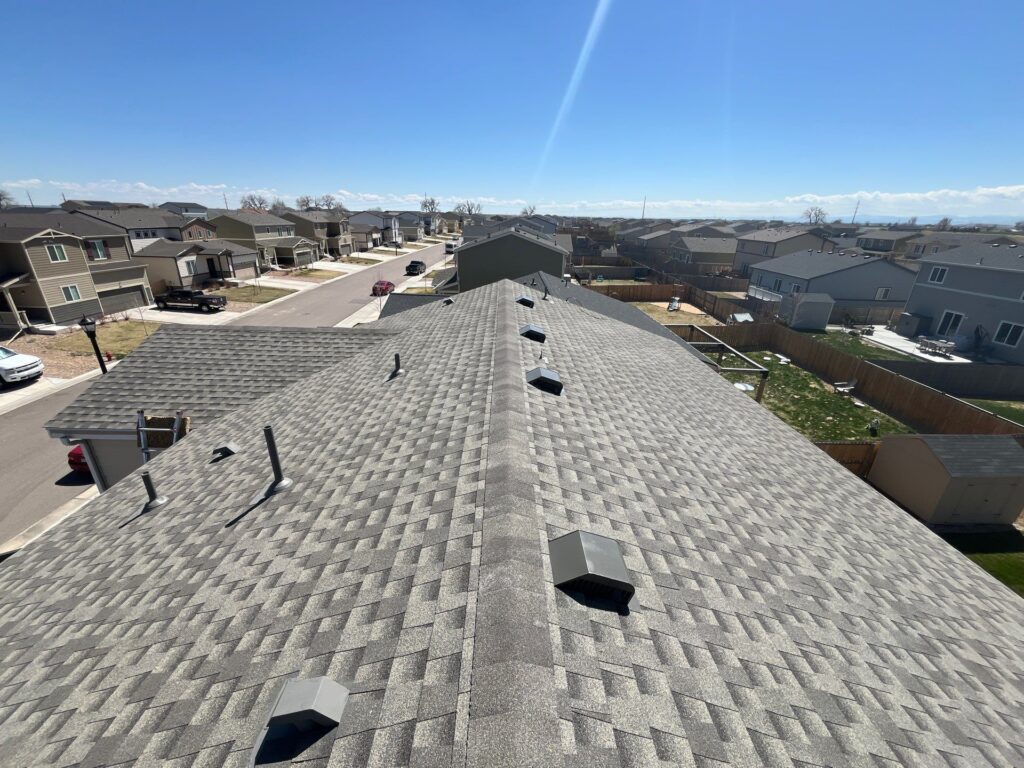
When planning a roof replacement, one of the most critical—yet often overlooked—factors influencing cost is roof pitch. The angle or steepness of your roof plays a major role in determining material requirements, labor intensity, and even the types of roofing products suitable for your home. Understanding this factor helps homeowners make informed decisions and budget accurately for their project.
Understanding Roof Pitch
Roof pitch refers to the degree of slope or incline that defines how steep a roof is. It’s typically represented as a ratio indicating how much the roof rises vertically for every 12 inches of horizontal span. For instance, a 6/12 pitch means the roof elevates 6 inches for each foot of horizontal distance.
- Low-Slope Roofs: 2/12 to 4/12
- Standard Residential Roofs: 4/12 to 8/12
- Steep Roofs: 9/12 or greater
Pitch determines how effectively water, snow, and debris shed from the surface and how the roof performs in different weather conditions—especially in climates like Denver’s that experience both heavy snowfall and intense sunlight.
How Roof Pitch Influences Roof Replacement Costst
1. Increased Surface Area
The steeper the roof, the greater the surface area. Even if the footprint of the house remains the same, a steep roof covers more square footage than a flat or gently sloped one. This means:
- More shingles or panels are needed.
- Additional underlayment and fasteners are required.
- Extra time and labor are necessary for installation.
As a result, the material and labor costs for steep roofs can be significantly higher.
2. Material Limitations and Choices
Not all roofing materials are suited for every pitch. Roofs with very low slopes may require specialized waterproof membranes, while steep-pitched roofs often use shingles or tiles that complement the slope’s visibility and drainage performance.
For example:
- Asphalt shingles: Ideal for pitches between 4/12 and 8/12.
- Metal roofing: Suitable for both low and high pitches.
- TPO or EPDM membranes: Designed for flat or near-flat roofs.
Steeper roofs also contribute more to a home’s curb appeal, which can influence homeowners to choose premium materials for aesthetic value.
3. Labor and Safety Challenges
Steep roofs are more dangerous and time-consuming to install. Roofing professionals must use harnesses, scaffolding, or roof jacks to work safely, which increases labor costs. Each step of the process—from removing old shingles to installing flashing and vents—takes longer and requires greater expertise.
Because of this, roofers often charge higher rates for steep-slope projects compared to low-pitch installations.
Other Key Factors That Affect Roof Replacement Costs
While pitch is a major component, several additional elements influence your total roof replacement cost:
- Roof size and design complexity (valleys, dormers, skylights)
- Roofing material type and grade
- Home accessibility and height
- Local labor rates and permitting requirements
- Condition of the roof deck or structural supports
Each of these can either raise or reduce the final project cost, depending on your home’s structure and location.
How to Estimate Roof Pitch Costs Accurately
For homeowners in Denver and surrounding areas, the best way to determine cost is through a professional roof inspection. Certified roofers can measure pitch, calculate surface area, and provide precise cost breakdowns for materials and labor. Online calculators can give an estimate, but an in-person evaluation is far more accurate.
Choosing the Right Roofing Experts in Denver
Working with an experienced local contractor ensures that your roof replacement accounts for both pitch and regional climate challenges. Tried and True Roofing, based in Denver, Colorado, specializes in assessing roof slope, selecting compatible materials, and delivering safe, efficient installations that maximize longevity and curb appeal.
Conclusion
Roof pitch directly impacts your roof replacement cost by influencing material volume, product selection, and labor complexity. Steeper roofs require more materials and greater safety precautions, while low slopes may need specialized membranes for waterproofing. By understanding how roof pitch affects pricing—and consulting trusted roofing companies in Denver—homeowners can plan their projects more confidently, ensuring durable, efficient, and visually appealing results for years to come.