

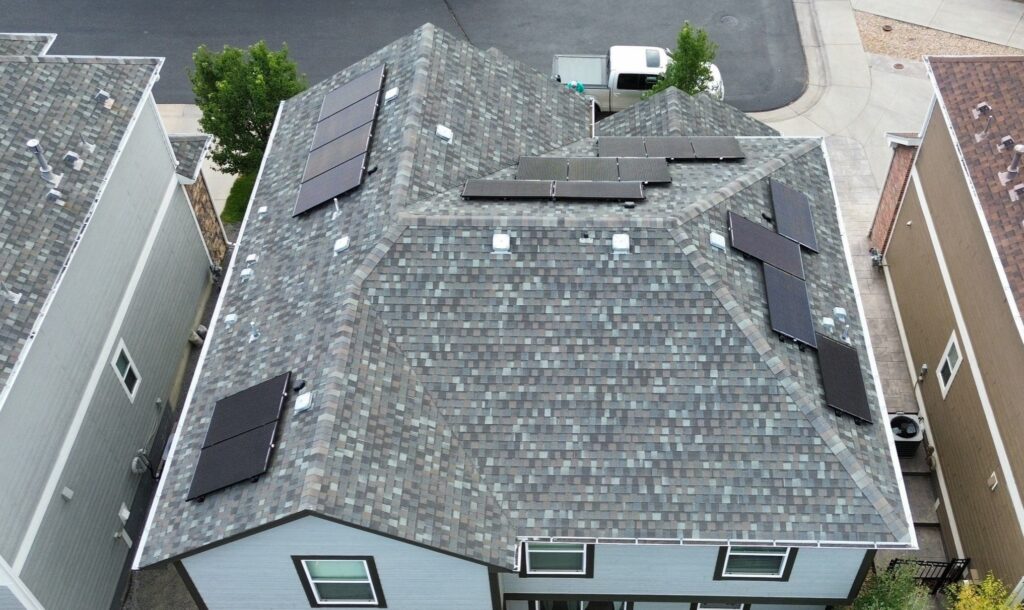
Before scheduling a roof replacement, it’s vital to understand the legal side of the project. In Colorado, nearly all roofing projects—particularly full roof replacements—must receive authorization from the local building authority before any work begins. Permits exist to ensure safety, accountability, and compliance with construction standards, yet many property owners overlook them. Here’s a clear explanation of when a permit is necessary, what it covers, and why it matters for your home.
When Is a Permit Required?
In nearly every Colorado municipality, a permit is mandatory for any roof replacement. The rule is straightforward: if the project involves tearing off or replacing the full roofing system, authorization from the city or county must be obtained before work begins.
In Denver, even partial roof repairs may require a permit. Typically, if the work affects more than 10 percent of a roof under 25,000 square feet—or more than 5 percent for larger roofs—the city considers it significant enough to inspect. Because replacements involve the entire structure, they always fall under these regulations.
Why Permits Exist
The permit process ensures that roofing systems are built to withstand Colorado’s harsh weather and comply with safety codes. It also provides documentation linking the property, the contractor, and the materials used. Inspectors review everything from fire resistance and ventilation to material type and fastening methods.
Essentially, permits protect three groups:
- Homeowners, by guaranteeing quality and safety standards
- Contractors, by providing proof that the job was performed legally
- Future buyers or insurers, by confirming the property’s compliance with code
Skipping this step removes those protections and often leads to expensive complications later.
What’s Contained in a Roofing Permit
A roofing permit isn’t just an authorization slip—it’s a full record of the work being performed. It usually lists:
- Property ownership information and project address
- The roofing company’s license number and insurance verification
- Roof size, slope, and materials being used
- Installation details such as flashing, insulation, and ventilation design
Once the project is finished, a city inspector reviews the work to confirm it matches the permit description and meets all structural and safety standards.
Risks of Replacing a Roof Without a Permit
Choosing to skip the permit might seem like a way to save time, but it can cause major setbacks:
- Fines and stop-work orders from the city building department
- Loss of homeowners insurance coverage if the roof fails or leaks later
- Reduced property value because future buyers can see the roof was never inspected
- Voided manufacturer warranties if unpermitted work doesn’t follow installation requirements
In short, any shortcut around the permit process often costs more in the end.
Who Should Handle the Permit
A responsible roofing contractor takes care of the permit process for you. Reputable companies know exactly which forms to file, which offices to contact, and how to coordinate city inspections. Homeowners should never be expected to manage it alone.
If a roofer suggests bypassing permits or claims they’re unnecessary, it’s a serious warning sign. Licensed professionals understand that compliance is part of doing business the right way.
How to Confirm Your Contractor Is Following the Rules
To make sure you’re working with a legitimate professional:
- Ask to see their Colorado roofing license and proof of insurance.
- Verify that they’ve recently pulled permits in your city (Denver’s building department lists these publicly).
- Review their reputation through the Better Business Bureau, Google Reviews, or other credible sources.
- Request written documentation of who will obtain the permit and when.
Transparent contractors will provide these details before signing any agreement.
Benefits of Hiring a Local Roofing Expert
Partnering with a local roofing company in Denver offers multiple advantages. Local professionals understand the region’s snow load requirements, hail-resistant materials, and exact permit procedures. They’re also available quickly for follow-up inspections or warranty support.
One of the trusted names in the area is Tried and True Roofing, serving homeowners throughout Denver, Colorado. Their team manages every step of the process—from obtaining permits to final inspections—ensuring projects meet city standards and last for decades.
Conclusion
Every roof replacement in Colorado requires a permit, and that step shouldn’t be ignored. Permits ensure the roof is installed safely, inspected properly, and backed by legal and insurance protection. Always hire a licensed Denver roofer who secures the necessary paperwork before work begins. Following the rules not only keeps your home compliant but also guarantees the quality and durability of your new roof for years to come.