

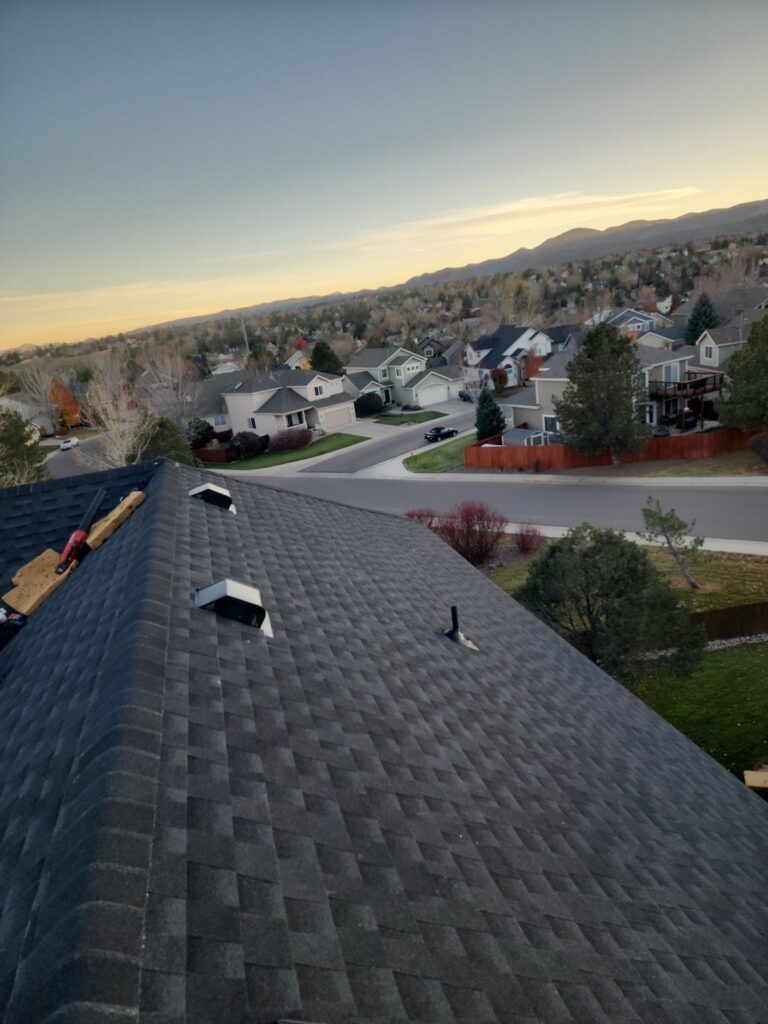
Knowing the true condition of your roof isn’t just good practice—it’s essential to protect your investment. Scheduling a professional inspection can prevent unexpected repair bills, reveal hidden damage, and offer peace of mind. While many homeowners are unsure about the cost of this service, we believe in providing complete clarity on what to expect before you make that call.
How Much Should You Budget for a Roof Inspection?
The price of a roof inspection usually falls between $100 and $400, depending on several factors such as roof complexity, accessibility, and the methods used. Simpler, low-pitch roofs often fall at the lower end of that range, while steep or multi-story properties may be more time-intensive, thus more expensive. However, many roofing companies choose to offer complimentary inspections, especially when looking to establish a working relationship with homeowners. When an inspection is offered at no cost, it’s often limited to a basic overview unless otherwise specified. A detailed report, drone usage, or thermal scans may still come with additional charges, which should be clarified in advance.
Why the Cost Varies from One Home to Another
No two roofing systems are exactly alike, and pricing reflects that. A small, one-level residence with asphalt shingles may be inspected quickly and with minimal equipment. In contrast, properties with complex architecture, solar panels, skylights, or slate roofing may require more time, additional safety measures, and possibly specialized inspection tools. Accessibility is another pricing factor. If the roof is high, steep, or obstructed by landscaping or structures, it may take more effort and equipment to inspect properly, which adds to the overall cost. The inspection method itself also affects pricing. Traditional inspections done on foot are the standard and most affordable. Drone-based assessments or moisture detection with thermal cameras come at a premium due to the advanced technology and expertise involved.
Free Inspections: What’s the Catch?
Some companies provide free inspections as a marketing strategy to generate leads, which is common in competitive areas. While these inspections can be helpful, they’re not all created equal. A reputable contractor offering a complimentary assessment will still take the time to explain their findings, provide images, and respect your decision-making process. Others may use a free inspection as a chance to push sales aggressively. It’s important to ask what’s included, whether you’ll receive documentation, and if the company will pressure you into immediate repairs. A truly beneficial inspection, whether paid or not, should leave you better informed without obligation or urgency.
What’s Included in a Standard Roofing Inspection?
A thorough inspection should evaluate both exterior and interior roofing elements. Externally, it should cover shingle condition, flashing integrity, gutter systems, roof penetrations, valleys, and any signs of sagging or water damage. Internally, the attic space should be reviewed for insulation issues, moisture buildup, mold, or structural weakness. You should receive a clear summary outlining any concerns, potential repair needs, and suggested timelines. Some contractors will include photographs, measurements, and estimates. While this level of detail may not always be free, it can be worth the cost for homeowners looking to make confident, long-term decisions about their property.
When a Paid Inspection Makes Sense
While free inspections offer excellent value in many cases, there are times when a paid evaluation is a better fit. If you’re preparing to buy or sell a home, insurers and lenders may require a report from a certified inspector. In cases of suspected storm damage, water intrusion, or structural failure, it’s best to hire an independent professional who provides a detailed, unbiased analysis. Paying for this service can also be beneficial if you’ve received conflicting opinions or want a second set of eyes before committing to a major repair or full roof replacement.
When and How Often to Inspect Your Roof
Most roofing systems benefit from at least one inspection per year. If your home is located in a region prone to hail, snow, or strong wind, you may want to increase the frequency—especially following major weather events. Routine evaluations help catch problems early and extend the service life of your roof. Homeowners with roofs older than ten years should be particularly diligent. Even when no damage is visible from the ground, issues such as flashing separation or underlayment failure can occur silently and grow worse over time.
What to Ask Before Booking an Inspection
Before you schedule, ask the contractor the following: Is there a cost involved or is the inspection free? Will I receive a written report or images? Is the person conducting the inspection licensed and insured? How soon can the inspection be done, and how long will it take? Will you recommend repairs only when necessary, or suggest replacement automatically? These questions help set expectations and ensure you’re working with someone professional, experienced, and customer-focused.
Avoiding Costly Surprises Through Preventive Action
Annual inspections not only give insight into your roof’s condition, they help you plan financially. Addressing small repairs early often prevents more expensive problems from developing. For instance, catching a loose vent or minor leak before winter can prevent major water damage and mold growth. Inspections also strengthen your insurance position. In the event of a claim, having a documented roof history can support your case and speed up the approval process.
The Denver Homeowner’s Perspective
In climates with heavy snowfall, hail, and high UV exposure like Denver, roofing systems are subjected to ongoing stress. Fluctuating temperatures and freeze-thaw cycles wear down materials faster than in milder regions. That’s why inspections are especially valuable here—not just as a preventive tool, but as part of responsible homeownership. Contractors in this region understand the unique challenges roofs face and are equipped to identify weather-related issues early. Tried and True Roofing, serving the Denver area, offers detailed inspections that account for these environmental factors, helping homeowners plan repairs based on actual need, not guesswork.
Conclusion
A roof inspection offers clarity, security, and insight. Whether it’s a free visual overview or a paid detailed analysis, the service exists to protect your home and your wallet. Knowing the expected cost, asking the right questions, and working with a trustworthy contractor ensures the process is smooth, transparent, and beneficial. Inspections are not just for emergencies—they’re a critical step in keeping your home in top shape year-round.