

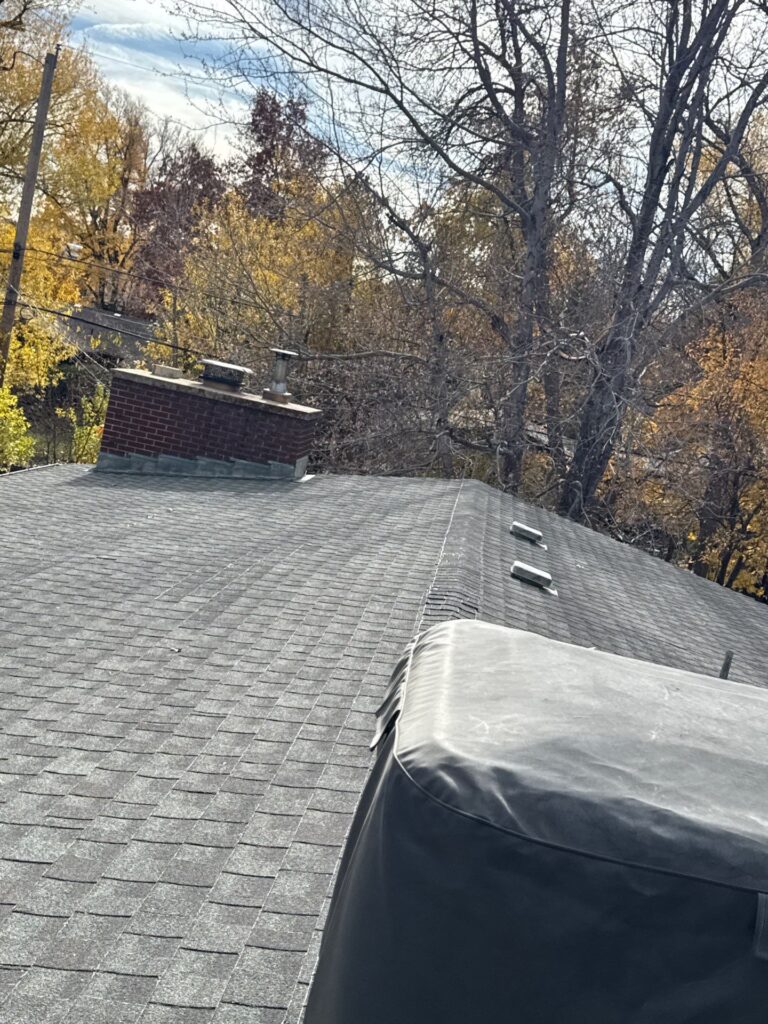
Navigating a roofing insurance claim in Denver requires precision, documentation, and strategic timing. Severe hailstorms, high winds, and rapid temperature fluctuations regularly impact residential roofing systems across the Front Range. When damage occurs, we must move quickly, document thoroughly, and position the claim correctly to ensure the insurance carrier fulfills its financial obligation. This guide outlines exactly how we approach roofing insurance claims to protect property owners and secure fair settlements.
Understanding Roofing Insurance Coverage in Colorado
Homeowners insurance policies in Denver typically cover roof damage caused by sudden, accidental events such as hail, wind, falling debris, or fire. Coverage may vary depending on whether the policy is written as Replacement Cost Value (RCV) or Actual Cash Value (ACV). RCV policies reimburse for the full cost to replace the damaged roof, minus the deductible. ACV policies factor depreciation into the payout, which significantly reduces the final settlement amount.
Many policies now include percentage-based deductibles for wind or hail events. Instead of a flat $1,000 deductible, homeowners may face a 1%–5% deductible based on the insured property value. On a $600,000 home, a 2% deductible equals $12,000 out of pocket before coverage applies. We always recommend reviewing deductible structures before storm season begins.
Why Denver Homes Face Elevated Roofing Risks
Denver’s unique climate intensifies roof deterioration. High-altitude UV exposure accelerates shingle aging. Spring and summer hailstorms frequently cause granule loss, bruising, and fractures in asphalt shingles. Winter freeze-thaw cycles stress flashing, underlayment, and ventilation systems. Even minor storms can produce hidden damage that compromises long-term performance.
Insurance carriers are well aware of the regional claim frequency and often scrutinize Denver roofing claims closely. Proper documentation and professional inspections are essential to overcoming denial or underpayment.
The Step-by-Step Roofing Insurance Claim Process
1. Immediate Post-Storm Inspection
We conduct a detailed inspection as soon as it is safe. This includes examining shingles for impact marks, checking soft metals for hail strikes, evaluating flashing integrity, and assessing gutters and downspouts. Interior attic inspections help confirm moisture intrusion or insulation displacement.
Photographic documentation is critical. Every damaged slope, vent, ridge cap, and flashing component must be recorded with timestamped images.
2. Filing the Insurance Claim
Once damage is confirmed, the homeowner contacts the insurance carrier to initiate the claim. The insurer assigns a claim number and schedules an adjuster inspection. Prompt filing is essential because Colorado policies often impose time limits for reporting storm damage.
3. Adjuster Meeting and Damage Review
During the adjuster inspection, we ensure all damage points are clearly identified. Insurance adjusters evaluate:
- Hail impact density per roofing square
- Wind-lifted or creased shingles
- Compromised flashing and ventilation
- Collateral damage to gutters, siding, or windows
Accurate representation during this meeting significantly influences the initial estimate.
4. Reviewing the Insurance Estimate
The carrier issues a scope of loss outlining approved repairs and cost breakdowns. We analyze this estimate line by line to confirm inclusion of:
- Tear-off and disposal
- Underlayment replacement
- Ice and water shield
- Drip edge and flashing components
- Code-required upgrades
- Waste factor and labor costs
Omissions are common and must be supplemented before work begins.
5. Completing the Roof Replacement
After deductible payment and initial insurance funds are released, we complete the roofing work according to approved scope and current building codes. Final documentation is submitted to recover withheld depreciation if the policy is RCV.
Common Reasons Roofing Claims Are Denied
Insurance claims are often denied or reduced due to insufficient documentation or misclassification of damage. Frequent denial reasons include:
- Claim filed outside policy timeframe
- Damage attributed to wear and tear instead of storm impact
- Pre-existing deterioration
- Inadequate photographic evidence
- Failure to meet deductible threshold
We counter these challenges with precise storm-date verification, impact mapping, and code compliance documentation.
Colorado Building Codes and Insurance Supplements
Denver building codes require specific underlayment types, proper ventilation ratios, drip edge installation, and ice barrier protection. If an older roof lacks these features, insurance carriers must often cover the upgrade under ordinance and law provisions. Many initial estimates exclude these costs.
A proper supplement includes:
- Ice and water shield along eaves
- Step and counter flashing updates
- Ridge vent replacement
- Code-compliant underlayment
- Starter strip and hip/ridge caps
Without code advocacy, homeowners may unknowingly pay for upgrades the insurer should fund.
Timing Matters: Insurance Claim Deadlines in Denver
Most policies require storm damage to be reported within 6–12 months of the event. Delays reduce approval likelihood. In addition, Colorado’s statute of limitations for property insurance disputes is generally two years from the date of loss, making timely action critical.
Storm tracking tools and meteorological reports help confirm the event date when filing claims.
The Financial Breakdown of a Typical Roofing Insurance Claim
Example scenario for a $25,000 approved roof replacement:
- Insurance Replacement Cost Value: $25,000
- Deductible (2% on $500,000 home): $10,000
- Initial payout (ACV minus deductible): $13,000
- Recoverable depreciation after completion: $2,000
- Homeowner total out-of-pocket: $10,000 deductible
Understanding this breakdown eliminates confusion about why multiple checks are issued.
Avoiding Roofing Insurance Claim Scams
After major Denver storms, out-of-state contractors frequently canvass neighborhoods. Warning signs include:
- Demanding deductible waivers
- Offering cash incentives
- Lack of Colorado licensing
- No local office presence
- Pressure to sign contingency contracts immediately
A legitimate contractor provides documentation, insurance verification, and transparent agreements.
Choosing a Roofing Partner for Insurance Work
Insurance-based roofing requires expertise beyond installation. It demands claim management, supplement negotiation, code knowledge, and detailed documentation. Homeowners benefit from working with established local professionals who understand Denver’s regulatory landscape and insurance standards. Tried and True Roofing, based in Denver, CO, has extensive experience assisting homeowners through complex insurance claim processes while ensuring full compliance with municipal codes and manufacturer specifications.
Preventing Future Claim Complications
Annual inspections reduce disputes by documenting roof condition before storms occur. Maintenance records demonstrate proactive care, which strengthens credibility during claims. We recommend:
- Yearly professional inspection
- Post-storm assessments
- Gutter and drainage maintenance
- Ventilation optimization
- Prompt minor repairs
Strong documentation today prevents claim resistance tomorrow.
Conclusion
Denver roofing insurance claims demand urgency, precision, and technical expertise. From initial inspection to final depreciation recovery, every step must be executed strategically to secure full policy benefits. By documenting damage thoroughly, understanding policy language, verifying code compliance, and managing supplements effectively, homeowners can protect their investment and ensure their roofing system is restored without unnecessary financial strain.