

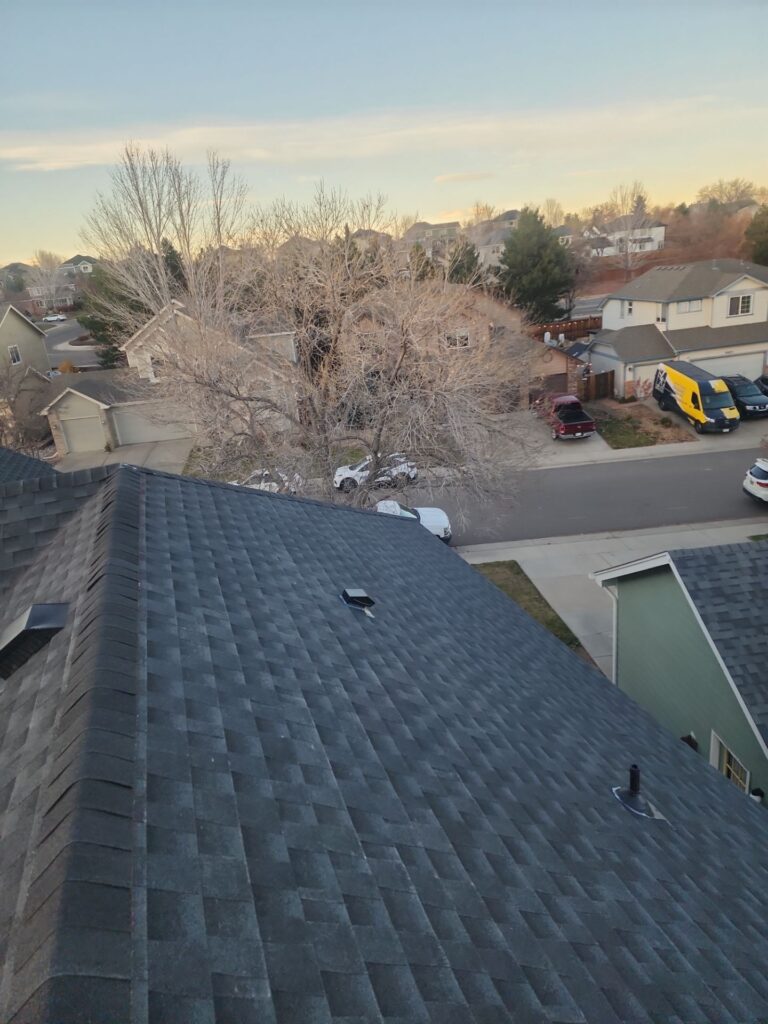
Roofing is one of the most demanding trades in the construction industry. While homeowners often focus on shingles, warranties, and pricing, we understand that the real risks run much deeper. From safety hazards and liability exposure to unpredictable weather and insurance disputes, professional roofers navigate constant challenges that directly impact project outcomes. Recognizing these concerns helps property owners make informed decisions and choose contractors who operate with precision, preparation, and integrity.
Safety Hazards on the Job Site
Roofing consistently ranks among the most dangerous construction professions. We operate at heights, often on steep slopes, while handling heavy materials and power tools. Falls remain the leading risk, followed by heat exhaustion, electrical exposure, and structural instability. Strict adherence to OSHA regulations, safety harness systems, guardrails, and crew training protocols are non-negotiable components of responsible roofing operations. Homeowners should prioritize contractors who invest heavily in safety systems, because a safe crew is a focused and efficient crew.
Severe Weather and Unpredictable Conditions
Roofers work directly against the elements. Sudden wind gusts, lightning storms, hail, or extreme heat can delay projects and increase risks. In regions prone to volatile conditions, weather monitoring becomes part of daily operations. We must evaluate forecasts, stage materials carefully, and protect exposed decking if rain threatens mid-installation. Projects completed without regard to environmental factors often suffer premature failure. Proper scheduling and contingency planning are critical safeguards against avoidable damage.
Liability and Insurance Risks
One of the greatest professional concerns in roofing involves liability exposure. Improper installation, material defects, or undocumented storm damage can escalate into disputes. We mitigate these risks through comprehensive insurance coverage, detailed contracts, photographic documentation, and compliance with manufacturer specifications. Homeowners must confirm that contractors maintain active general liability coverage as well as workers’ compensation insurance policies. A fully insured contractor protects both the property owner and the workforce.
Workmanship Standards and Reputation Management
Reputation drives long-term success in the roofing industry. Poor workmanship spreads quickly through online reviews and community referrals. We understand that every installation represents our brand and professional credibility. Attention to flashing details, ventilation alignment, underlayment integrity, and fastening patterns determines whether a roof lasts decades or fails prematurely. High-quality contractors conduct internal inspections, quality control checks, and post-installation walkthroughs to ensure standards are consistently met.
Insurance Claim Complications
Storm damage claims introduce another layer of complexity. Insurance adjusters may undervalue damage, overlook code requirements, or dispute repair scope. We must document damage precisely, provide accurate estimates, and advocate for proper restoration standards. Homeowners benefit from contractors experienced in navigating insurance processes, because incomplete claims can leave significant repair costs uncovered. Detailed inspection reports and transparent communication reduce the risk of disputes.
Building Code Compliance and Regulatory Changes
Local building codes evolve regularly to address fire resistance, wind uplift ratings, ventilation standards, and energy efficiency requirements. Failure to comply can result in fines, failed inspections, or mandatory rework. We stay updated on municipal code changes to ensure installations meet current regulations. Homeowners should confirm that their contractor pulls required permits and schedules official inspections. Compliance is not optional; it protects property value and structural integrity.
Material Shortages and Supply Chain Disruptions
Global supply chain challenges have impacted roofing materials, from asphalt shingles to metal panels and specialty components. Delays can extend project timelines and increase costs. We manage these risks by building strong supplier relationships, forecasting demand during storm seasons, and maintaining flexible procurement strategies. Clear communication with clients regarding material availability prevents unrealistic expectations and scheduling conflicts.
Labor Shortages and Skilled Workforce Retention
The roofing industry faces ongoing skilled labor shortages. Proper installation requires training, experience, and technical knowledge. We prioritize workforce development, safety certification, and hands-on supervision to ensure consistent craftsmanship. Homeowners should ask whether crews are in-house employees or subcontracted teams. Stable, trained crews typically produce more reliable results than temporary labor arrangements.
Financial Risk and Project Cash Flow
Roofing projects require substantial upfront investment in materials and labor. Contractors must balance cash flow carefully to maintain operational stability. Reputable companies structure payment schedules transparently, avoiding excessive upfront deposits while ensuring project sustainability. Homeowners should avoid contractors demanding unusually large prepayments without contractual safeguards.
Customer Expectations and Communication Challenges
Clear communication remains one of the most critical factors in successful roofing projects. Misunderstandings about timelines, noise, debris management, or warranty coverage can lead to dissatisfaction. We establish expectations early, outline project milestones, and provide consistent updates throughout installation. Transparent documentation and open dialogue build trust and minimize conflict.
Environmental and Sustainability Pressures
Energy efficiency and sustainability have become major considerations in roofing. Cool roof systems, impact-resistant shingles, and improved ventilation contribute to long-term performance and reduced energy consumption. We integrate environmentally responsible materials and installation practices where appropriate. Sustainable roofing solutions not only improve durability but also enhance property value.
Why These Concerns Benefit Homeowners
When contractors actively manage safety, compliance, quality control, and communication, homeowners experience smoother projects and longer-lasting roofs. The challenges roofers face drive industry improvements, from better safety standards to advanced materials and inspection technologies. Working with established professionals such as Tried and True Roofing in Denver, CO ensures that these risks are managed with expertise and accountability.
Selecting a Roofer Who Manages Risk Effectively
Homeowners should evaluate contractors based on measurable criteria: licensing, insurance verification, documented inspections, written warranties, safety protocols, and transparent contracts. A contractor who openly addresses potential risks demonstrates professionalism and preparation. Choosing a roofing partner who anticipates challenges rather than reacting to them significantly reduces the likelihood of costly surprises.
Conclusion
Roofing involves far more than installing shingles. Behind every project lies a network of safety concerns, liability risks, regulatory obligations, material logistics, and performance standards. When these factors are managed with precision and discipline, homeowners receive durable, code-compliant roofing systems that withstand time and weather. Understanding the real concerns professional roofers face empowers property owners to select contractors who deliver both protection and long-term value.