

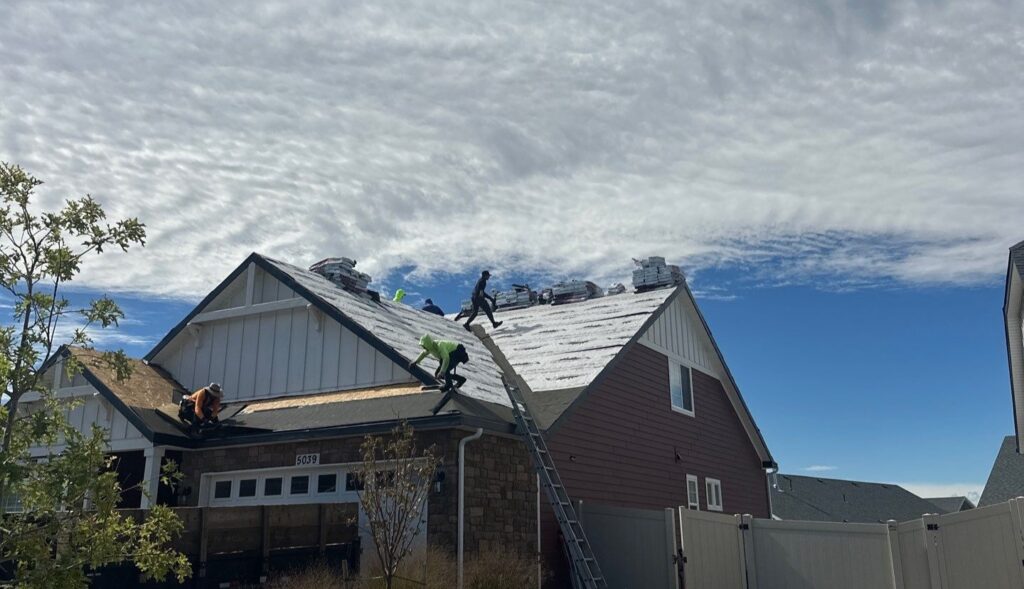
Asphalt shingles are among the most popular roofing materials in residential construction thanks to their cost-effectiveness, long-lasting performance, and straightforward installation process. Whether addressing localized storm damage or replacing weathered shingles, homeowners often consider performing minor asphalt shingle replacements themselves. While this can be a manageable DIY task for experienced individuals, the process involves precision and care. A single mistake during shingle replacement can expose your home to leaks, structural damage, and additional repair costs. Avoiding common errors is essential to ensuring a long-lasting and secure roof system.
Removing Shingles Without Damaging the Surrounding Area
One of the most frequent mistakes during shingle replacement is damaging the neighboring shingles during removal. Asphalt shingles are layered in an interlocking design and secured with nails. Ripping out a damaged shingle too quickly can crack, bend, or unseal nearby shingles. This compromises their effectiveness and may lead to additional replacements that were initially unnecessary. We recommend carefully lifting the overlapping shingles above the damaged section using a flat pry bar, gently loosening the adhesive strip without tearing the material. Precision at this stage will minimize collateral damage and reduce your workload.
Failing to Extract the Entire Shingle
Partial removal of a damaged shingle may seem like a shortcut, but this mistake leads to structural weakness. Leaving behind fragments of the old shingle can prevent the new one from aligning flush with the roof deck. This misalignment affects nail placement, weakens water barriers, and increases the risk of uplift from high winds. We advise removing the complete shingle, including all underlying nails and adhesive residue. Doing so ensures the replacement lies flat, is properly secured, and maintains the integrity of the entire shingle system.
Ignoring the Importance of Sealing Nail Holes
After installing a new shingle, every exposed nail hole must be sealed properly. This is a critical step that DIYers often overlook. Asphalt shingles are water-shedding by design, not waterproof. When nail holes are left unsealed, they become entry points for moisture, especially during rain or snow. This moisture can seep through the underlayment and lead to rot in the roof decking, mold growth, and insulation degradation. We recommend using roofing cement or mastic to seal each exposed fastener, creating a watertight barrier that extends the life of your roofing system.
Forgetting to Re-Nail Overlapping Shingles
Replacing one or two shingles often requires loosening or temporarily lifting the surrounding shingles to gain access to the damaged area. This process frequently involves removing nails that secure those adjacent shingles. A common oversight occurs when those nails are not replaced after the repair. As a result, the overlapping shingles become loose and vulnerable to wind uplift, leaving gaps that allow water intrusion. After completing your repair, ensure all previously removed nails are reinstalled and sealed. Re-adhering the overlapping shingles with roofing cement restores the roof’s wind resistance and structural continuity.
Not Applying Mastic to the New and Adjacent Shingles
Nails alone do not keep shingles in place. Modern roofing systems rely on a combination of fasteners and adhesive bonding to create wind-resistant and watertight protection. Once a shingle has been nailed into position, mastic or roofing adhesive must be applied to the edges to bond it to the underlying layer. This seal helps prevent wind from lifting the edge of the shingle and creating a point of failure. Failing to re-seal both the replacement and surrounding shingles is one of the most common DIY mistakes. We strongly recommend applying a small bead of mastic under each edge and pressing firmly to ensure proper adhesion.
Overestimating DIY Capability on Large Repairs
Replacing a single shingle or small patch is typically manageable for a skilled homeowner. However, problems arise when attempting to DIY a repair that exceeds your ability. If your roof has widespread damage, signs of underlayment deterioration, or soft spots indicating wood rot, the repair may require more than a surface fix. Attempting to cover these issues with fresh shingles only masks the problem and leads to greater expense down the road. In such cases, a professional evaluation is necessary to ensure the problem is addressed holistically. Reputable contractors, such as Tried and True Roofing in Denver, CO, can provide expert diagnostics and quality repairs that meet code requirements and manufacturer specifications.
When to Leave It to Professionals
Roofing involves more than just laying shingles. It requires technical understanding of slope, drainage, flashing details, ventilation, and product compatibility. If your project involves steep slopes, two-story access, or spans across multiple roof planes, it’s best to contact a licensed roofing contractor. Additionally, any evidence of water staining inside the attic or ceiling could indicate a deeper issue that cannot be resolved with surface shingle replacement alone. Professional roofers use specialized tools and years of experience to complete repairs safely and permanently. Attempting large-scale DIY roofing work may save money in the short term but can void warranties, compromise safety, and ultimately cost more in future repairs.
Conclusion
Replacing asphalt shingles may appear simple, but the process demands close attention to technique, materials, and weatherproofing methods. Mistakes such as tearing nearby shingles, skipping sealant, or forgetting to re-nail can shorten the life of your roof and leave it vulnerable to the elements. For small repairs, a careful and informed DIY approach can be effective. For anything beyond that, consulting a trusted roofing professional ensures the integrity of your home remains intact. Smart homeowners recognize when to step back and call in expert support, preserving both their investment and peace of mind.