

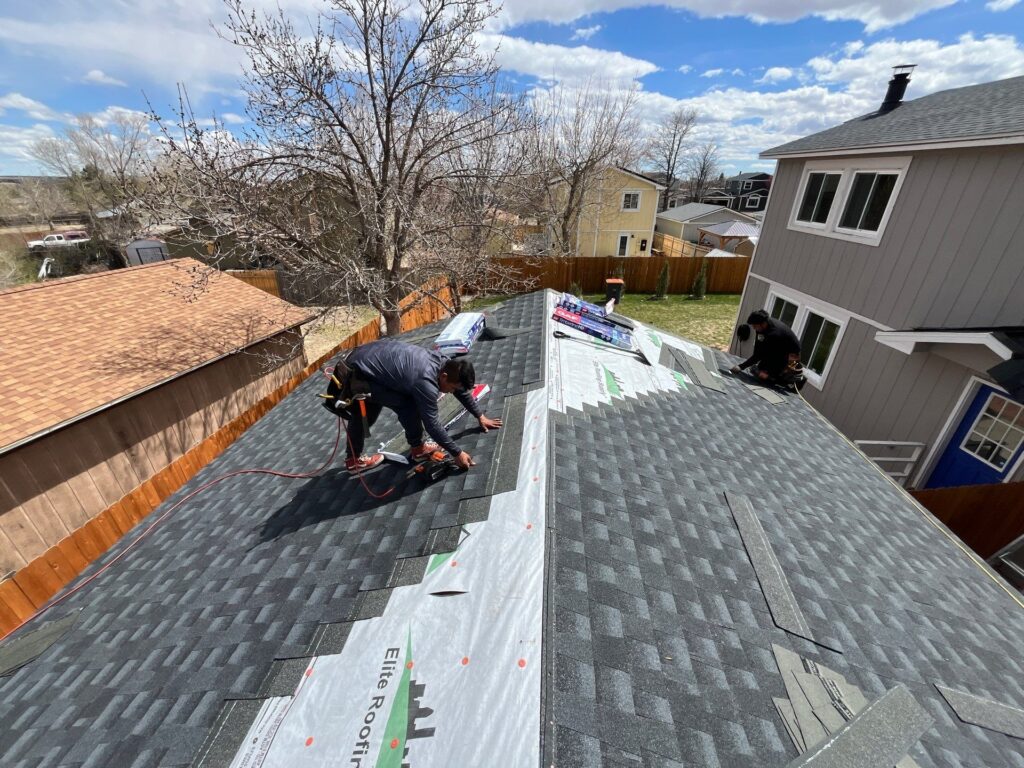
A successful roof replacement in Denver begins long before the first shingle is removed. One critical—but often overlooked—step is securing the proper roofing permits. For homeowners comparing roofing contractors, understanding who is responsible for pulling and paying for the permit is essential. Missteps in this area can lead to delays, code violations, and financial surprises that compromise the success of your project.
Is a Permit Required for Roof Replacement in Denver?
Yes, the City and County of Denver requires a roofing permit before beginning any residential or commercial roof replacement. The permit ensures that work complies with local building codes, safety standards, and fire-resistance regulations. Projects started without a permit can be stopped by city inspectors, fined, or required to be redone entirely. Homeowners should never assume a contractor is handling the permit unless explicitly stated in the contract. Permitting is not optional—it is a legal requirement tied to inspections, insurance approvals, and resale compliance.
Who Should Pay for the Roofing Permit?
The responsibility for permit payment depends on how the project is being funded. In both scenarios—insurance-covered or out-of-pocket—the cost of the permit is ultimately passed on to the homeowner. However, the difference lies in how the process is handled.
1. Insurance Claim Projects
When a roofing replacement is funded through an insurance claim, the permit cost should be itemized in the contractor’s estimate and submitted as part of the insurance supplement. Your insurer is expected to cover the permit fee because it is a necessary component of the total project cost. A reputable roofing contractor will coordinate this submission, pay the permit upfront, and recover the cost from the insurance payout.
2. Cash-Funded Projects
If you’re paying for the roof yourself, the permit cost should still be included in your contractor’s bid. However, it is the contractor—not the homeowner—who should handle the permit application and fees. The fee is typically embedded into the final contract amount, making it a seamless process for the homeowner.
Warning Signs: When to Be Cautious
Not all contractors handle permits ethically or correctly. If a roofing company instructs the homeowner to apply for or pay for the permit directly, this can be a major red flag. It may suggest the contractor is unlicensed, unfamiliar with Denver regulations, or attempting to bypass legal accountability. In such cases, the homeowner may become liable for code violations or unfinished inspections. A qualified, licensed roofer should always manage the permitting process on your behalf, ensuring compliance with all municipal rules.
Denver’s Roofing Permit Requirements Every Homeowner Should Know
- A permit is mandatory for all roof replacements in Denver, regardless of funding source.
- Roofing materials may need to meet specific fire-resistance standards based on location and slope.
- For roofs with a slope less than 4:12, additional moisture barriers or application techniques may be required.
- Some HOAs may impose stricter rules on color, material type, or style. Failure to obtain HOA approval can result in forced tear-offs, added costs, or legal challenges.
- Permits must be closed with a final inspection once work is complete. Unclosed permits can delay home sales or refinancing.
The Permit Process: What It Should Look Like
A professional contractor will include the permit process as part of their project workflow. This typically includes:
- Verifying HOA requirements prior to submission
- Filing the permit application with Denver’s Building Department
- Paying the necessary municipal fees
- Scheduling inspections during and after the project
- Providing documentation to the homeowner for future records
This integrated approach helps avoid compliance issues and builds homeowner confidence.
Why You Should Never Pull Your Own Permit
Some roofing companies may ask the homeowner to pull the permit themselves, under the guise of saving money or speeding up the process. This is not just unethical—it’s dangerous. When a homeowner pulls the permit, they accept legal responsibility for the entire project. This includes any code violations, accidents, or failures that occur. If the project does not pass inspection, it becomes the homeowner’s problem, not the contractor’s. Working with a licensed professional who handles permitting protects your investment and ensures accountability throughout the project.
Vetting Your Roofing Contractor for Permit Handling
Before signing any contract, ask direct questions about how the permit will be managed. These include:
- Will your company apply for and pay for the roofing permit?
- Is the permit fee included in the bid or listed as a separate line item?
- How familiar are you with Denver Building Department’s guidelines?
- Will I receive proof of the permit and documentation after project completion?
- How do you coordinate inspections to ensure the permit is closed properly?
Contractors who hesitate, deflect, or place responsibility on the homeowner are best avoided. Transparency and permitting expertise should be non-negotiable traits when selecting a roofing company.
Local Knowledge Matters
Roofing permit rules vary widely by city, and Denver is known for its strict building codes—especially related to roofing materials, insulation, and weather resistance. A company that has worked extensively in Denver will already understand the nuances of the permitting process and be prepared to meet those expectations without burdening the homeowner. For example, Tried and True Roofing, serving the Denver metro area, integrates local code compliance and permit management into every project, removing complexity and risk from the homeowner’s plate.
Don’t Let Permits Be an Afterthought
Permits may seem like a bureaucratic technicality, but they directly affect your project’s legality, safety, and resale value. A project done without a permit can halt a home sale or disqualify an insurance claim. The permit process should be clearly spelled out before the work begins, not added as a surprise after the fact. Insist that your contractor explains their process and includes all costs upfront. A trustworthy company is always transparent.
Conclusion
Roofing permits are not optional in Denver, and their handling should never fall on the homeowner’s shoulders. Whether your roof replacement is covered by insurance or self-funded, the contractor you choose should apply for, pay, and manage the permit process from start to finish. Protect yourself from liability, delays, and costly mistakes by partnering with a licensed, experienced contractor who views permitting as part of their professional responsibility—not yours.