

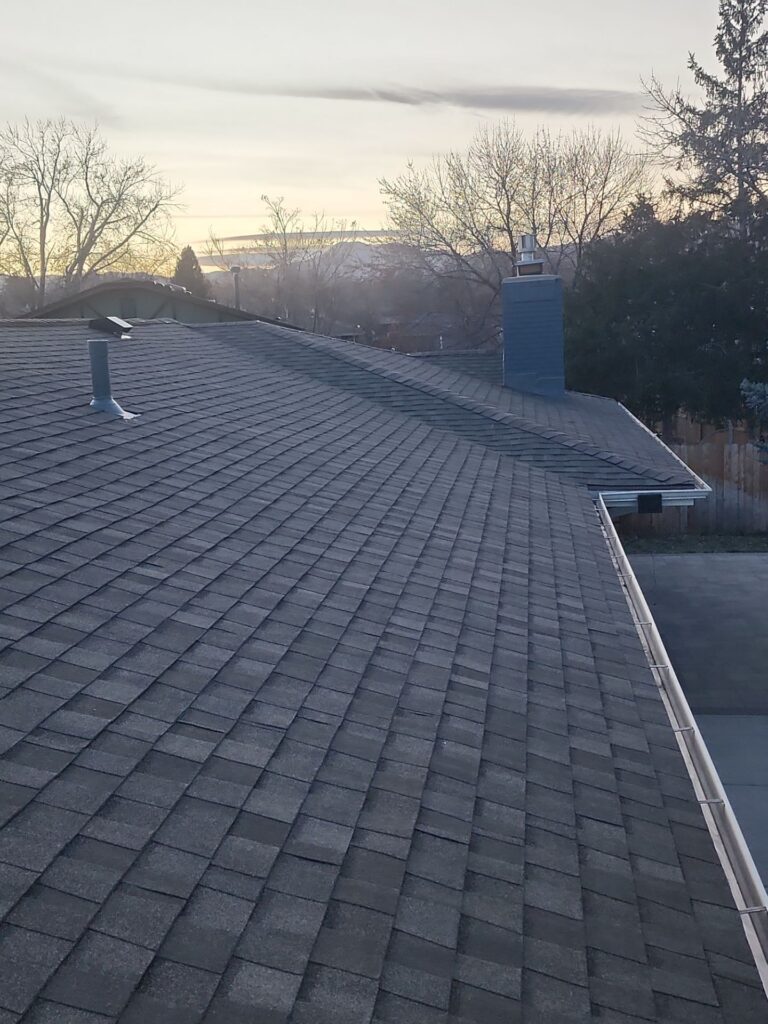
A properly installed roof protects your home from Denver’s intense sun, heavy snow, hailstorms, and fluctuating temperatures. When installation shortcuts occur, problems may not surface immediately—but they inevitably lead to leaks, structural damage, and premature roof failure. We help homeowners understand exactly how to evaluate whether their roof was installed correctly and what warning signs demand immediate attention.
Why Proper Roof Installation Matters in Denver’s Climate
Denver’s climate creates unique stress on roofing systems. Rapid freeze-thaw cycles, high UV exposure, strong winds, and seasonal hailstorms test every layer of your roof. If installation was flawed—whether through improper flashing, poor shingle alignment, or inadequate ventilation—the system will deteriorate far faster than its intended lifespan. Correct installation ensures durability, code compliance, warranty protection, and long-term cost savings.
Signs Your Roof May Have Been Installed Incorrectly
Installation mistakes often reveal themselves through visible defects or performance issues. We recommend checking for the following red flags:
- Uneven or wavy shingle lines
- Exposed or improperly placed nails
- Missing drip edge flashing
- Poorly sealed roof penetrations
- Inconsistent shingle overhang at eaves
- Sagging roof decking
- Frequent leaks despite a “new” roof
Even minor irregularities can signal deeper structural or moisture issues beneath the surface.
Inspecting Shingle Alignment and Pattern Consistency
Shingles should appear straight, uniform, and properly staggered. Misalignment often indicates rushed workmanship or improper layout techniques. Correct installation requires precise spacing and alignment to prevent water infiltration and wind uplift. If shingles appear crooked, uneven, or inconsistent in exposure, the installation likely failed to meet professional standards.
Proper nailing is equally critical. Nails must penetrate the decking at the manufacturer’s specified location. Overdriven nails can cut through shingles, while underdriven nails leave shingles vulnerable to wind damage. If you see nails exposed or placed too high on the shingle, installation errors are likely present.
Evaluating Flashing Around Roof Penetrations
Flashing protects the most vulnerable areas of your roof—chimneys, skylights, vents, valleys, and wall intersections. When flashing is installed incorrectly, it becomes a primary source of roof leaks and water intrusion, often leading to hidden structural damage over time. We look for step flashing along sidewalls, properly integrated counter flashing at chimneys, and secure valley flashing beneath shingle layers.
Signs of faulty flashing installation include:
- Rusted or lifted metal pieces
- Excessive roofing cement used as a patch
- Gaps between flashing and masonry
- Water stains near penetrations
Correct flashing installation is methodical and layered—not sealed with surface caulk as a shortcut.
Checking Roof Ventilation and Attic Conditions
Ventilation is often overlooked during installation, yet it directly affects roof longevity. Without balanced intake and exhaust ventilation, heat and moisture accumulate in the attic. This leads to warped decking, mold growth, shingle blistering, and ice dams in winter.
We assess whether ridge vents, soffit vents, or other ventilation systems are properly installed and unobstructed. Warning signs of poor ventilation include:
- Excessive attic heat in summer
- Frost buildup in winter
- Mold or mildew smells
- Peeling paint near rooflines
Improper ventilation can void manufacturer warranties and dramatically shorten roof lifespan.
Inspecting Roof Edges and Proper Drip Edge Installation
Drip edge flashing is designed to channel water off the roof and safely into the gutters, preventing moisture from reaching the fascia and underlying wood components. In Denver’s snow-heavy winters, proper drip edge installation is critical. It must be installed beneath underlayment at the eaves and above underlayment along rake edges to create correct water flow paths.
Missing or incorrectly layered drip edges allow water to seep behind gutters, leading to rot and structural damage. If fascia boards show signs of decay on a relatively new roof, improper installation may be the cause.
Examining Valleys for Proper Water Channeling
Roof valleys handle significant water runoff. They must be constructed with precision. Closed-cut valleys, open metal valleys, or woven valleys all require correct layering techniques. Improperly installed valleys often show:
- Exposed underlayment
- Excessive sealant use
- Uneven shingle cuts
- Premature granule loss
Water pooling or staining along interior ceilings beneath valleys indicates immediate corrective action is necessary.
Reviewing Underlayment and Ice Barrier Protection
Beneath the shingles lies underlayment and, in many Denver homes, ice and water shield. These layers provide secondary moisture protection. If installed incorrectly or omitted entirely, leaks can occur even when shingles appear intact.
During a professional inspection, we verify whether appropriate moisture barriers were used, especially along eaves and vulnerable transition areas. Homes in Colorado require proper ice barrier installation to prevent damage from ice dams during winter.
Assessing Workmanship Through Warranty Documentation
A properly installed roof should include manufacturer warranty documentation and proof of installation compliance. We advise homeowners to request:
- Manufacturer certification of installer
- Proof of code compliance
- Written workmanship warranty
- Permit and inspection records
If documentation is missing or unclear, it may indicate the roof was not installed according to required standards.
Common Installation Shortcuts to Watch For
Some contractors reduce costs by cutting corners. Common shortcuts include:
- Reusing old flashing instead of replacing it
- Installing shingles over existing layers without proper preparation
- Skipping underlayment in certain sections
- Improperly spacing fasteners
- Failing to remove damaged decking
These shortcuts may not be visible immediately but often result in costly repairs within a few years.
When to Schedule a Professional Roof Inspection
If your roof is less than five years old but already showing signs of deterioration, a professional evaluation is essential. We recommend inspections:
- After major hailstorms
- When purchasing a home
- Before warranty expiration
- If leaks or interior stains appear
- When selling your property
An experienced roofing contractor can identify installation defects that homeowners may overlook.
Denver-Specific Considerations for Roof Installation
Denver building codes and climate demands require specific installation techniques. Proper hail-resistant materials, secure fastening methods, and adequate insulation are critical in this region. Contractors unfamiliar with local weather patterns may install roofs that fail prematurely under Colorado conditions.
Tried and True Roofing, a roofing services provider based in Denver, CO, understands the regional requirements and standards necessary for long-lasting installations in this climate.
What to Do If Your Roof Was Installed Incorrectly
If inspection reveals improper installation, swift action prevents further damage. Depending on severity, solutions may include:
- Targeted repairs to flashing or ventilation
- Partial roof section replacement
- Full roof replacement if systemic errors exist
We recommend documenting all findings and consulting with a licensed roofing professional to determine the most cost-effective corrective strategy.
Conclusion
Determining whether your Denver roof was installed correctly requires careful evaluation of shingles, flashing, ventilation, underlayment, and structural integrity. Small installation errors often lead to significant long-term damage if ignored. By identifying warning signs early and seeking professional inspection when concerns arise, homeowners protect both their investment and their property’s structural stability.