

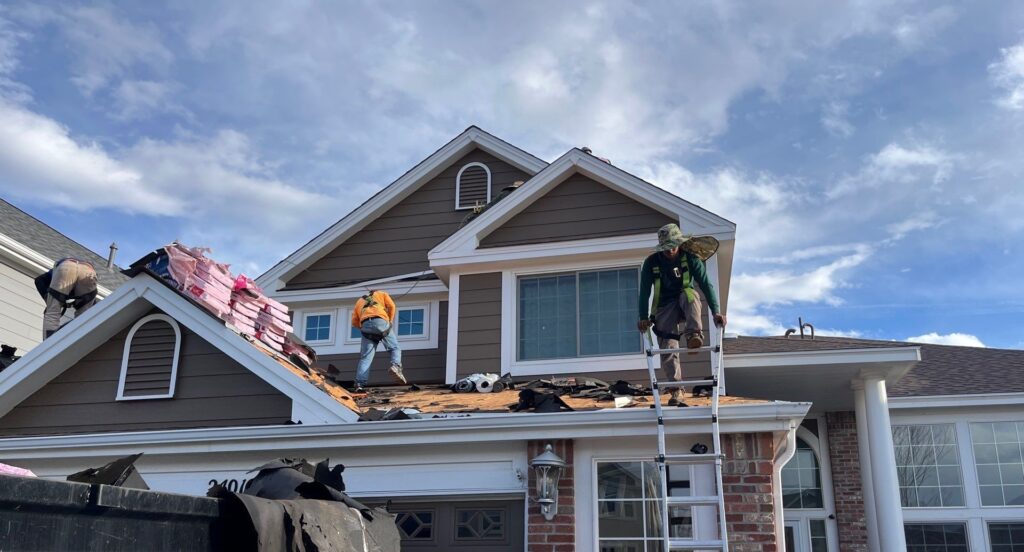
When a storm damages your roof, your first instinct may be to call your insurance company and start the claims process. But when that insurance check arrives in the mail, should you deposit it right away? The answer is often no. Understanding how roofing insurance claims and payments work can save you from costly financial missteps and protect the integrity of your home repair project.
How the Roofing Insurance Claim Process Really Works
Insurance providers follow a fairly standardized process when it comes to residential roof damage claims. After you file a claim, the insurer assigns an adjuster to inspect the damage and determine the appropriate coverage. If approved, payments typically come in two or more installments. The initial payment, commonly referred to as the Actual Cash Value (ACV), reflects the roof’s current value after accounting for depreciation. The remaining funds—called Recoverable Depreciation—are only released once the work is completed and invoiced. This structure ensures the funds are used specifically for roofing repairs and not diverted elsewhere.
Why You Should Wait Before Depositing the Insurance Check
It’s tempting to cash the check as soon as it arrives, especially after the stress of storm damage and the hassle of filing a claim. But holding off is the smartest move. Depositing the check too early can lead to overspending, misallocation of funds, or even accidental use of money earmarked for roof repairs. Some homeowners unknowingly spend part of their insurance payout on unrelated expenses, only to discover they’re short when it’s time to pay the contractor. The best practice is to store the check securely—untouched—until you’re ready to pay your roofing contractor in full.
Start With a Roofing Contractor, Not Your Insurer
Many homeowners make the mistake of calling their insurance company before speaking to a roofer. However, initiating a claim prematurely—especially when the damage might not meet the deductible—can come back to haunt you. Even if the claim is denied, it still goes on your insurance record and may lead to higher premiums in the future. Always consult with a trusted roofing contractor first. A reputable contractor can assess the damage, document it thoroughly, and advise whether filing a claim is in your best interest. Their guidance can prevent unnecessary claims, protect your insurance rating, and ensure you approach the process strategically.
Understanding the Insurance Adjuster’s Role
Your insurance adjuster is there to represent the interests of the insurance company—not you. While they may seem cooperative, their job is to limit the insurer’s liability. That’s why it’s crucial to have your roofing contractor present during the inspection or to submit a scope of work that fully reflects local code requirements and industry standards. Experienced roofing contractors will advocate on your behalf, ensuring that all necessary repairs, including code-mandated upgrades, are included in the claim and properly compensated.
Depositing the Check: What Can Go Wrong
Many homeowners assume that once the check is in hand, the hard part is over. But cashing that check too soon can lead to several issues. Some banks may place a hold on large insurance checks, tying up your funds longer than expected. Worse yet, if the claim involves mortgage company endorsement, additional signatures may be required before the check can be cashed or used. And if the funds are partially spent before the roofing contractor is paid, you could end up short—leading to disputes, project delays, or personal out-of-pocket expenses. For these reasons, do not cash the check until you’ve reviewed it with your roofing contractor and confirmed all project timelines and costs.
How Reputable Roofing Contractors Handle the Process
High-quality roofing companies understand the insurance claims process from start to finish. They work closely with homeowners and insurers to ensure fair compensation and timely repairs. From inspecting the roof and documenting damage to providing detailed estimates and negotiating with the insurance company, the contractor’s role is essential to maximizing your claim. Companies like Tried and True Roofing, located in Denver, CO, offer expert support throughout the insurance claim process and ensure homeowners never face the system alone. Their transparency and experience make them a dependable partner in navigating claim approvals, supplements, and disbursements.
The Importance of Insurance Supplements
In many cases, the initial insurance payout doesn’t cover the full cost of required repairs. Whether it’s code upgrades, structural concerns, or hidden damage, supplemental claims—known as insurance supplements—are common. Experienced contractors submit detailed documentation to justify these additional costs, ensuring homeowners are not left footing the bill. Without these supplements, you may receive insufficient funds, compromising the quality or completeness of the repair.
Timing Is Everything
Even if the funds are sufficient, timing matters. Most roofing contractors won’t begin work until the initial check is secured, and insurers won’t release depreciation until the work is complete. Coordinating these steps is critical. Keep your check secure, stay in close contact with your roofing contractor, and ensure that you follow their payment guidance precisely. A misstep in timing can delay your project or create unnecessary confusion with your insurance provider.
Key Takeaways Before You File or Deposit
- Consult a contractor first to confirm whether a claim is worthwhile.
- Do not deposit the insurance check prematurely; hold it until payment is due.
- Know your deductible and ensure the damage exceeds that threshold.
- Understand the full project scope including code upgrades and material costs.
- Partner with a contractor experienced in insurance negotiations and supplement processing.
Conclusion
Filing a roof insurance claim is not as simple as calling your provider and cashing a check. Strategic planning, the right contractor, and disciplined financial handling are essential for a smooth process and full reimbursement. Always hold onto your insurance payout until the roofing project is complete and your contractor is ready for payment. This approach ensures transparency, accountability, and protection from common financial pitfalls. Take the time to do it right—because peace of mind starts with a secure roof and a smart plan.